Understanding Vaccinations
Most pet owners know that they need to get their dogs vaccinated to help prevent them contracting common ‘doggy diseases’ some of which can be fatal, especially in younger animals.
The greyhound industry requires all greyhounds be vaccinated – both at the time of litter registration (puppy vaccination), and at the time of naming which is usually around 12-18 months of age. The aim of this requirement is to ensure that the ‘greyhound population’, as a whole, maintains an adequate level of immunity to help prevent the spread of disease.
Since vaccinations for dogs became available in the 1950’s owners have been educated that all dogs should receive an annual health check and vaccination.
As our understanding of immunity has increased and the vaccines available become better, it has become apparent that many adult dogs develop immunity that lasts longer than a year, and it may not be necessary to vaccinate dogs annually.
There are now a variety of dog diseases for which there is a vaccine available:
• Canine parvo-virus – the number one killer of young puppies
• Canine adeno-virus – the cause of canine infectious hepatitis
• Canine distemper virus – historically a big killer of dogs with nasty side effects in those that survive
• Rabies – a disease not present in Australia due to strict quarantine rules
• Canine parainfluenza virus – one of the causes of canine (kennel) cough
• Bordetella bronchiseptica – a bacterial cause of canine cough
• Leptospira interrogans – cause of leptospirosis
• Canine corona-virus
Generally, the first three diseases are considered the most dangerous, and so are the ones that it is recommended ALL puppies and dogs are vaccinated against.
Canine Cough is a problem in places where dogs congregate, so any dog that travels regularly, goes to the park with other dogs, goes into boarding kennels, attends training classes etc, is at risk of catching this disease. Places like boarding kennels in Victoria are required by law to ask for proof of vaccination against canine cough to prevent dogs from catching this disease.
Other diseases like leptospirosis, and coronavirus, tend to be a little more ‘regional’ – they are a problem in certain areas and in those areas it is strongly advised that dogs are vaccinated against them, but in other areas, they are not considered a problem. Your vet will be able to tell you if you are in a high risk area.
Rabies is an exotic disease, and the only dogs that would require vaccination against rabies would be those dogs who are travelling overseas. Rabies vaccine in Australia is tightly controlled, and only certain vets may administer it.
So what vaccination does my greyhound need? And how often should it be vaccinated?
By the time most greyhounds leave GAP, they have already had their puppy vaccinations and had their first yearly booster. It is a requirement that greyhounds entering GAP are vaccinated to C5 – so they will have been vaccinated against parvovirus, distemper, hepatitis and the two causes of canine cough. You will receive a vaccination certificate in your greyhound’s paperwork.
Your vaccination certificate will have a date on it when the next vaccination is required, and that is the time to take your greyhound to the vet and discuss which vaccines your greyhound will need. This will of course depend on the area in which you live, and on your vet’s recommendations.
These days, most vets recommend that all dogs receive a ‘yearly check-up’, but not all vaccines will be required each year. In fact most vets now recommend that the core vaccines (the three killer diseases – Parvo, Distemper and Hepatitis) are only given every three years. Other, ‘non-core’ diseases will vary from animal to animal, but Canine Cough vaccines are usually required every year to maintain protection. It is important that you discuss your dog’s vaccination program with your vet so you can decide the best course of action for your individual circumstances.
Your vet can best advise you on what is required for your individual circumstances, the area in which you live, and will discuss any potential side effects of vaccination with you.
Regardless of what you decide, it is important that your greyhound still has an annual health check with a veterinarian even if it is not scheduled for a vaccine. Annual checks can often detect problems before they become major health issues – in greyhounds checking their oral health is particularly important – so have a chat to your vet!


.png)

Meet our dogs ready for adoption
All greyhounds adopted from GAP are de-sexed, vaccinated, microchipped, wormed and health checked.

Name
0 Years Old
Lorem ipsum dolor sit amet, consectetur adipiscing elit, sed do eiusmod tempor incididunt ut labore et dolore magna aliqua. Ut enim ad minim veniam, quis nostrud exercitation ullamco laboris nisi ut aliquip ex ea commodo consequat. Duis aute irure dolor in reprehenderit in voluptate velit esse cillum dolore eu fugiat nulla.
Name
0 Years Old
Lorem ipsum dolor sit amet, consectetur adipiscing elit, sed do eiusmod tempor incididunt ut labore et dolore magna aliqua. Ut enim ad minim veniam, quis nostrud exercitation ullamco laboris nisi ut aliquip ex ea commodo consequat. Duis aute irure dolor in reprehenderit in voluptate velit esse cillum dolore eu fugiat nulla.
Name
0 Years Old
Lorem ipsum dolor sit amet, consectetur adipiscing elit, sed do eiusmod tempor incididunt ut labore et dolore magna aliqua. Ut enim ad minim veniam, quis nostrud exercitation ullamco laboris nisi ut aliquip ex ea commodo consequat. Duis aute irure dolor in reprehenderit in voluptate velit esse cillum dolore eu fugiat nulla.
Name
0 Years Old
Lorem ipsum dolor sit amet, consectetur adipiscing elit, sed do eiusmod tempor incididunt ut labore et dolore magna aliqua. Ut enim ad minim veniam, quis nostrud exercitation ullamco laboris nisi ut aliquip ex ea commodo consequat. Duis aute irure dolor in reprehenderit in voluptate velit esse cillum dolore eu fugiat nulla.
Name
0 Years Old
Lorem ipsum dolor sit amet, consectetur adipiscing elit, sed do eiusmod tempor incididunt ut labore et dolore magna aliqua. Ut enim ad minim veniam, quis nostrud exercitation ullamco laboris nisi ut aliquip ex ea commodo consequat. Duis aute irure dolor in reprehenderit in voluptate velit esse cillum dolore eu fugiat nulla.
Name
0 Years Old
Lorem ipsum dolor sit amet, consectetur adipiscing elit, sed do eiusmod tempor incididunt ut labore et dolore magna aliqua. Ut enim ad minim veniam, quis nostrud exercitation ullamco laboris nisi ut aliquip ex ea commodo consequat. Duis aute irure dolor in reprehenderit in voluptate velit esse cillum dolore eu fugiat nulla.
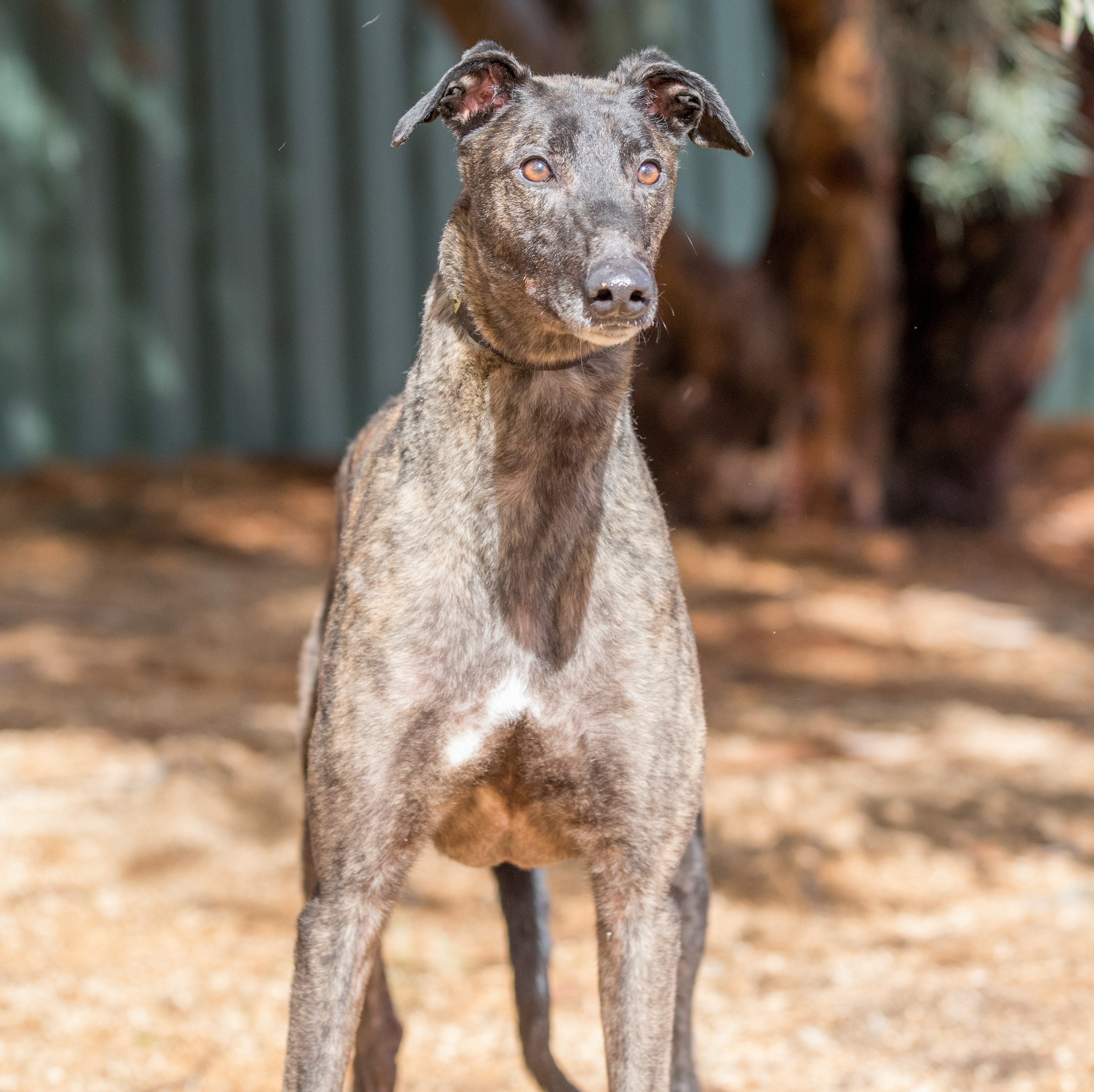
Bear

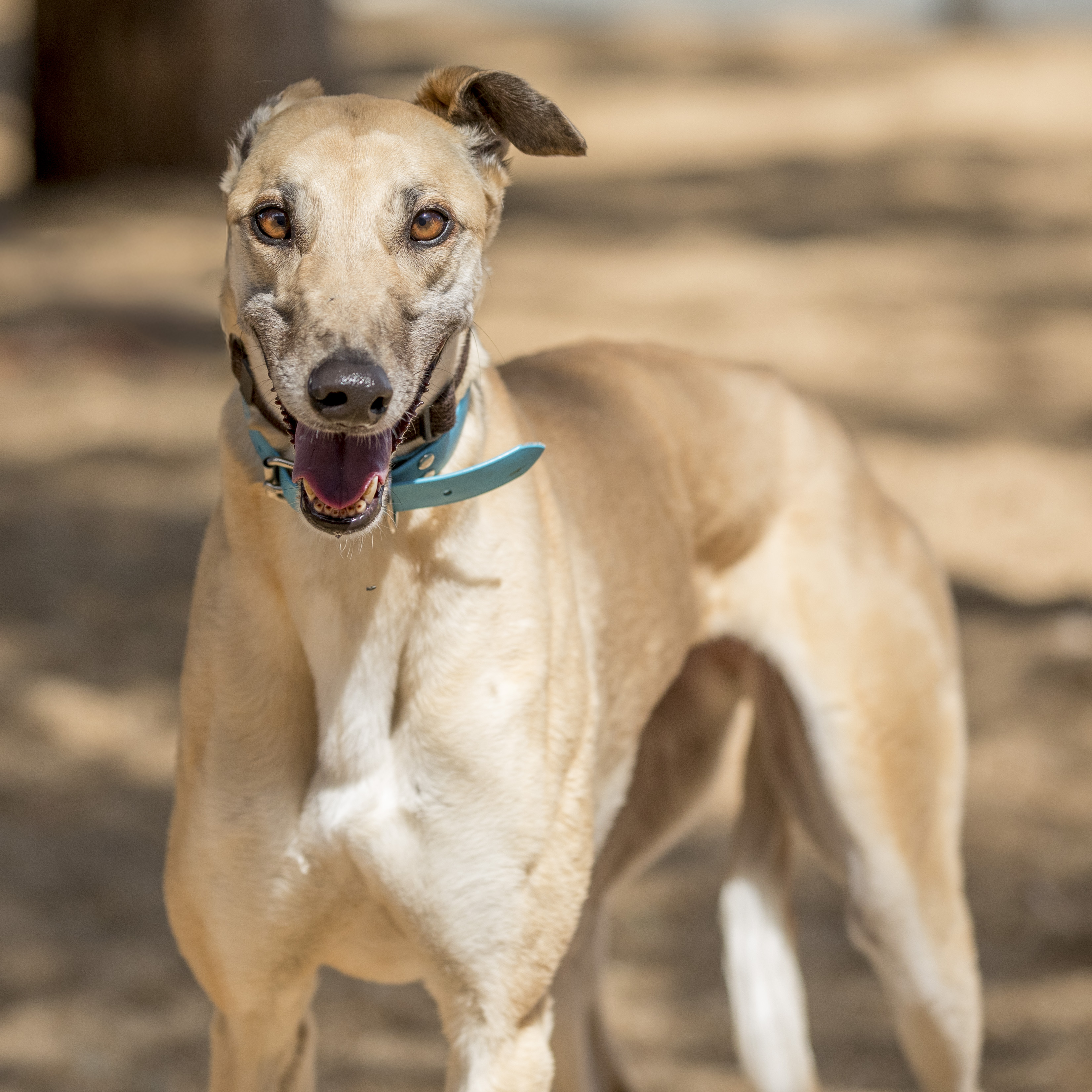
Xandi ARP

Sweet Xandi is a pretty and gentle soul who is looking for a patient, understanding home where she can build her confidence at her own pace. Having previously lived inside and even enjoyed sleeping on her owner's bed, she is familiar with home life and appreciates the comfort and security of being close to her people. Quiet, sweet and personable, Xandi is easy to handle and forms lovely connections through soft eye contact and her affectionate nature. While she can be timid and a little anxious in new situations, she always tries her best and responds beautifully to kindness and reassurance.
As an introverted and submissive girl, Xandi will likely take a few days to come out of her shell in a new environment, but once she feels safe, her loving personality begins to shine through. She would thrive with an owner who can give her the time, patience and encouragement she needs to settle in and feel secure. Xandi may suit living with or without a canine companion of any size and could be well suited to a home with children aged 15 years and older who can respect her gentle and sensitive nature.
If you're interested in adopting this dog, we'll arrange for them to come into GAP specifically for you to meet and complete the adoption process. Since the dog is being brought into the program based on your interest, we ask that applicants be reasonably confident this is the greyhound they'd like to welcome into their family. Unlike our standard adoption process, you won't be able to meet multiple dogs at the same time however our team will share lots of information about this greyhound to help you determine if they're the perfect match for your family.
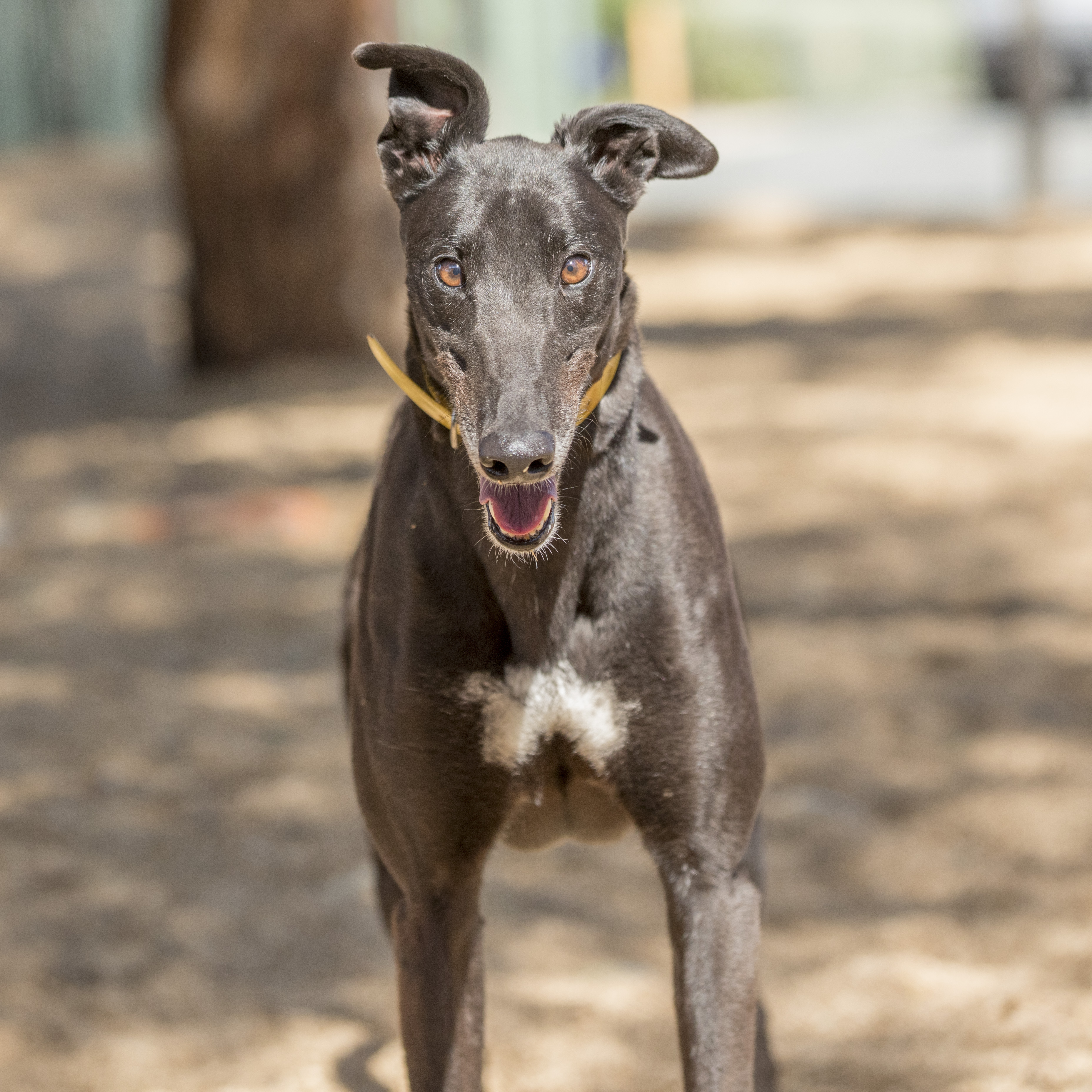
Eddie ARP
Lovely black Eddie is a calm and easy-going gentleman who takes everything in his stride. Quiet, sweet and laidback, he has a friendly and confident nature that makes him a pleasure to be around. Having previously lived inside a home, Eddie is familiar with household life and is ready to settle into his next chapter with ease. He enjoys spending time with his people and has a personable charm that helps him make friends wherever he goes. With his gentle temperament and relaxed outlook, Eddie would make a wonderful companion for a variety of homes. Whether joining you for a leisurely stroll or simply relaxing by your side, he is happiest when sharing life's everyday moments with those he loves. Eddie may suit living with or without a canine friend of a similar size and could be a lovely addition to a family with children aged 5 years and older.
If you're interested in adopting this dog, we'll arrange for them to come into GAP specifically for you to meet and complete the adoption process. Since the dog is being brought into the program based on your interest, we ask that applicants be reasonably confident this is the greyhound they'd like to welcome into their family. Unlike our standard adoption process, you won't be able to meet multiple dogs at the same time however our team will share lots of information about this greyhound to help you determine if they're the perfect match for your family.
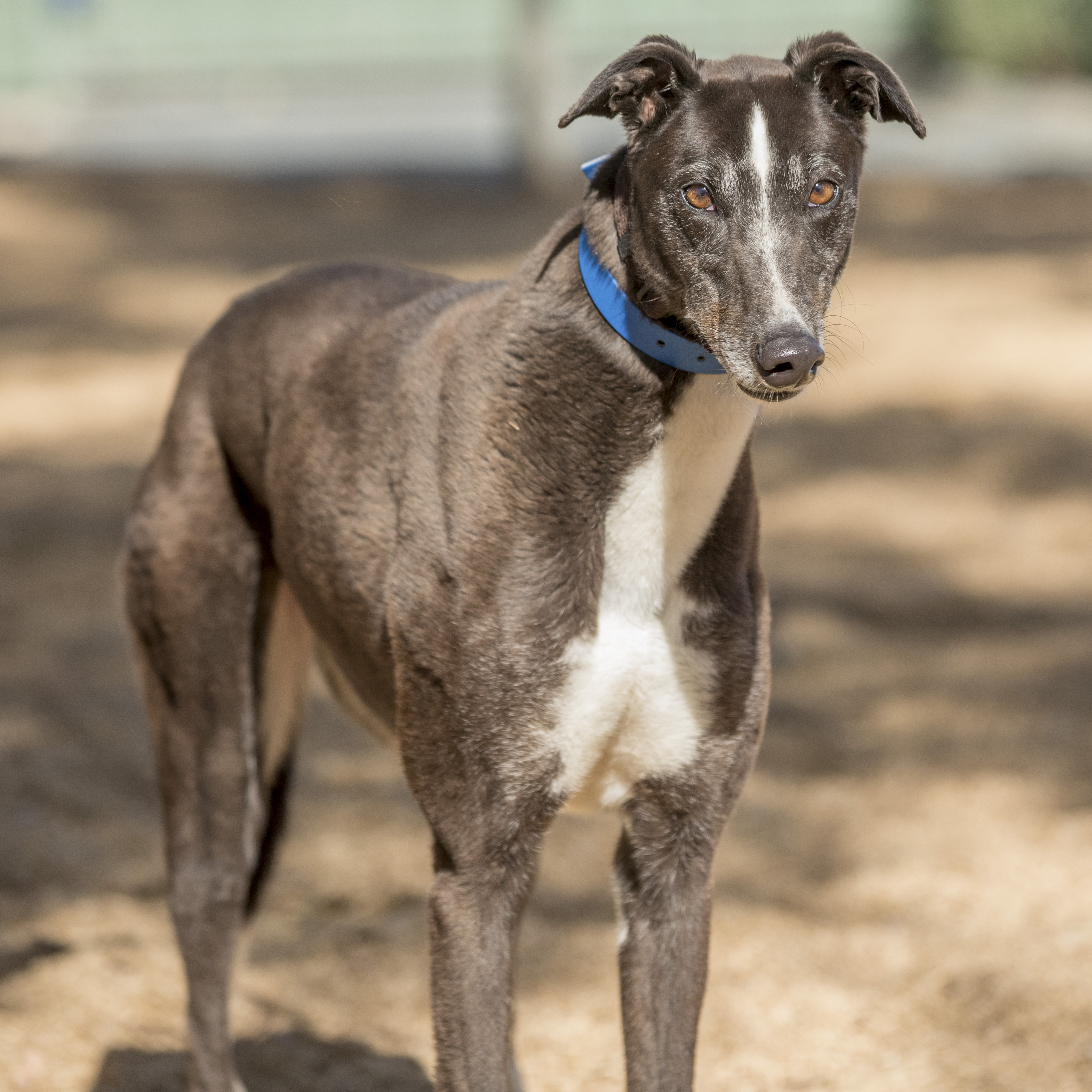
Intex ARP
The lovely Intex is a delightful girl with striking white markings and an equally beautiful personality to match. Social, friendly and confident, she enjoys meeting new people and charms everyone she encounters with her affectionate and outgoing nature. Intex loves being involved in whatever is happening around her and is always ready to share a cuddle, leaning into family life with enthusiasm and grace. With her personable temperament and easy-going outlook, Intex is sure to make a wonderful companion for a variety of homes. Whether she's spending time with her people, making new friends, or simply relaxing by your side, this sweet girl is happiest when she is part of the action. Intex may suit living with or without a canine brother of a similar size and could be a lovely addition to a family with children aged 5 years and older.
If you're interested in adopting this dog, we'll arrange for them to come into GAP specifically for you to meet and complete the adoption process. Since the dog is being brought into the program based on your interest, we ask that applicants be reasonably confident this is the greyhound they'd like to welcome into their family. Unlike our standard adoption process, you won't be able to meet multiple dogs at the same time however our team will share lots of information about this greyhound to help you determine if they're the perfect match for your family.
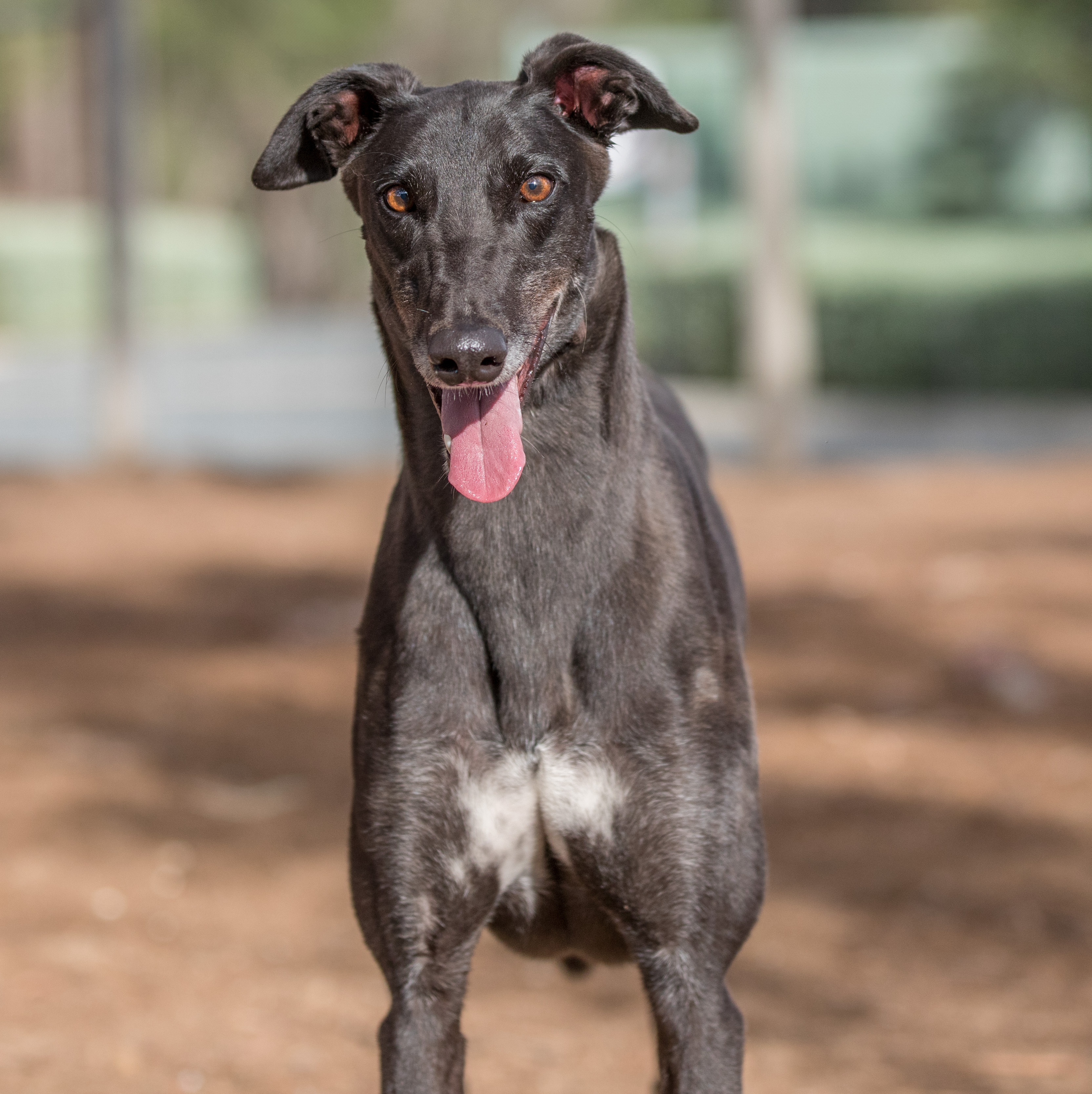
Moro
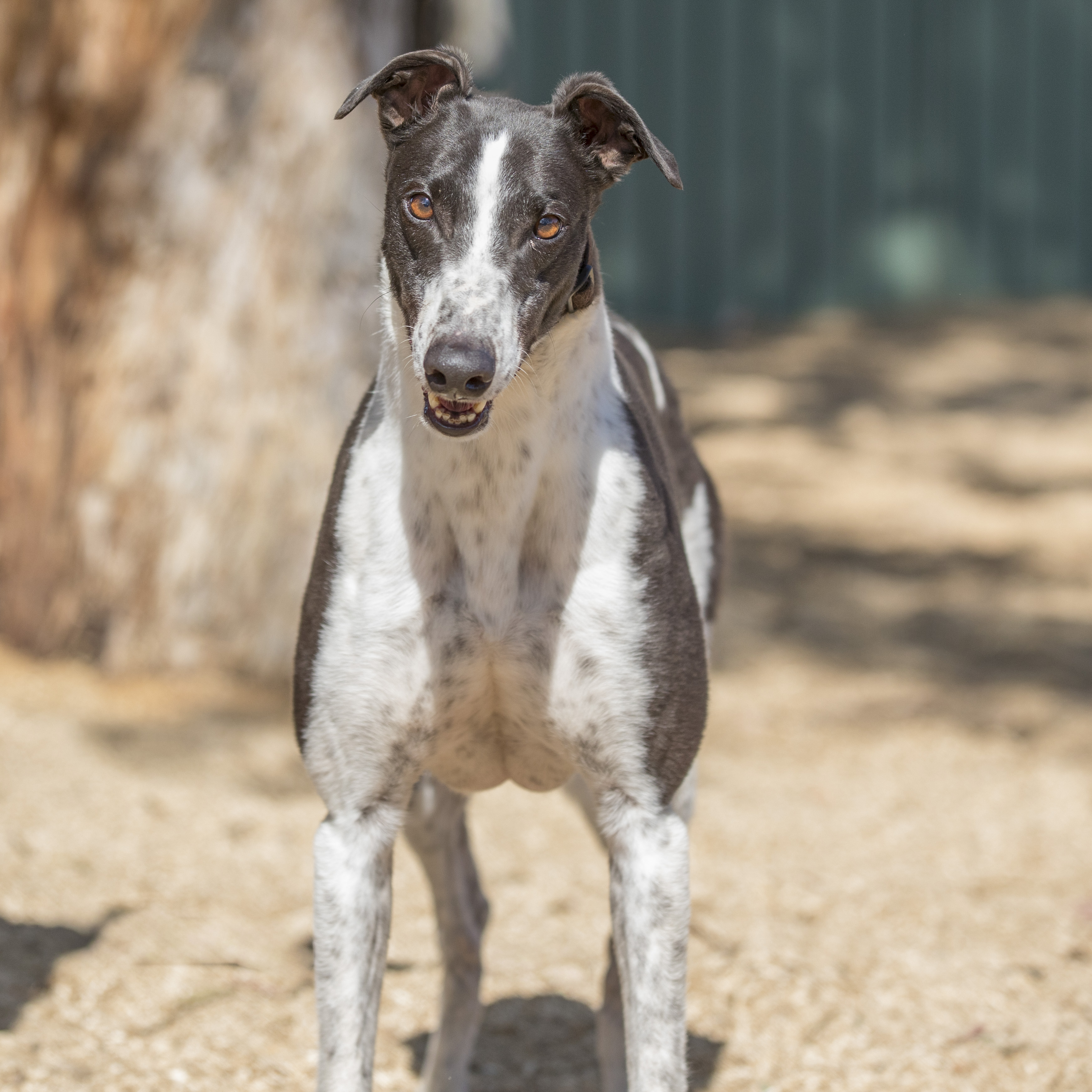
Cowboy
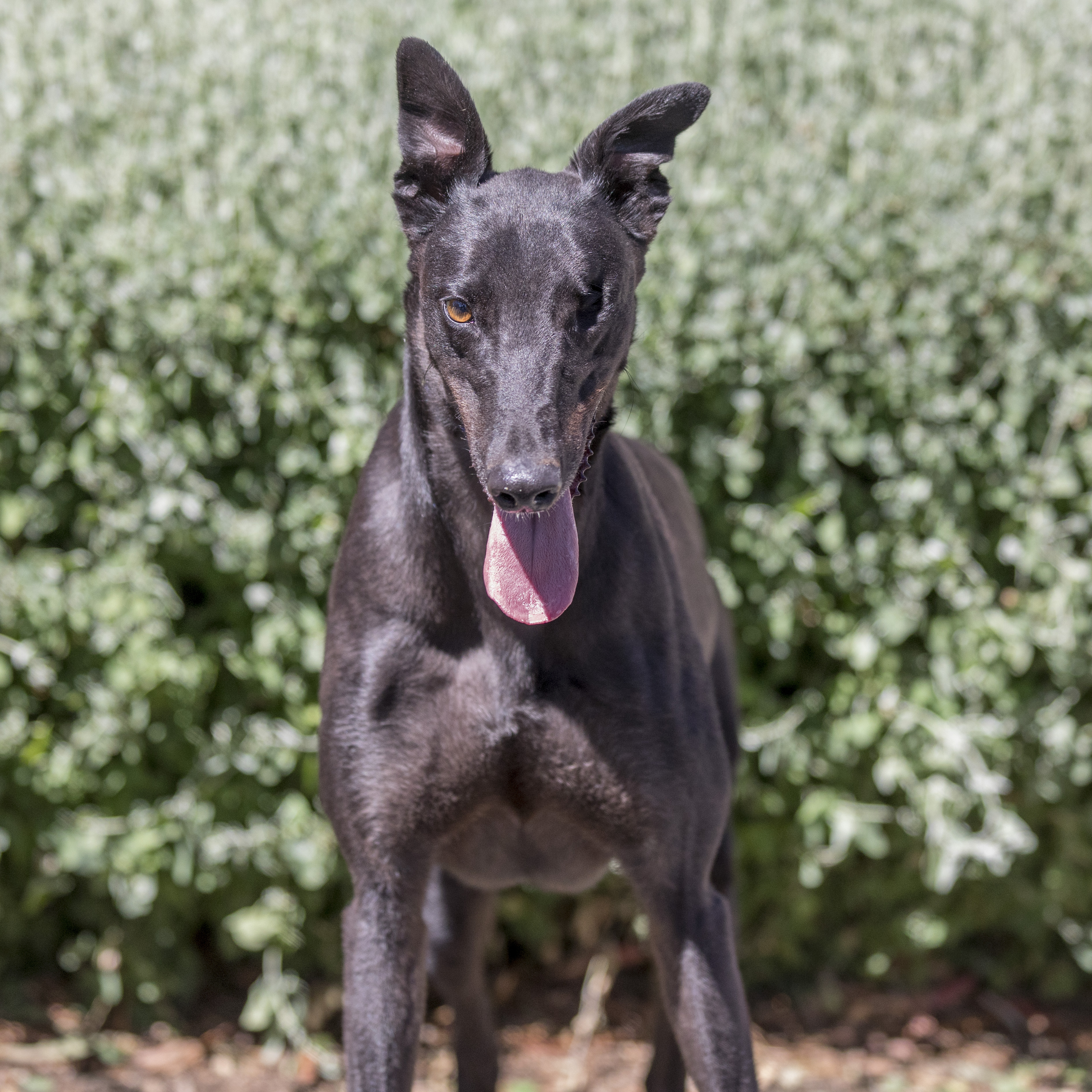
Cotton
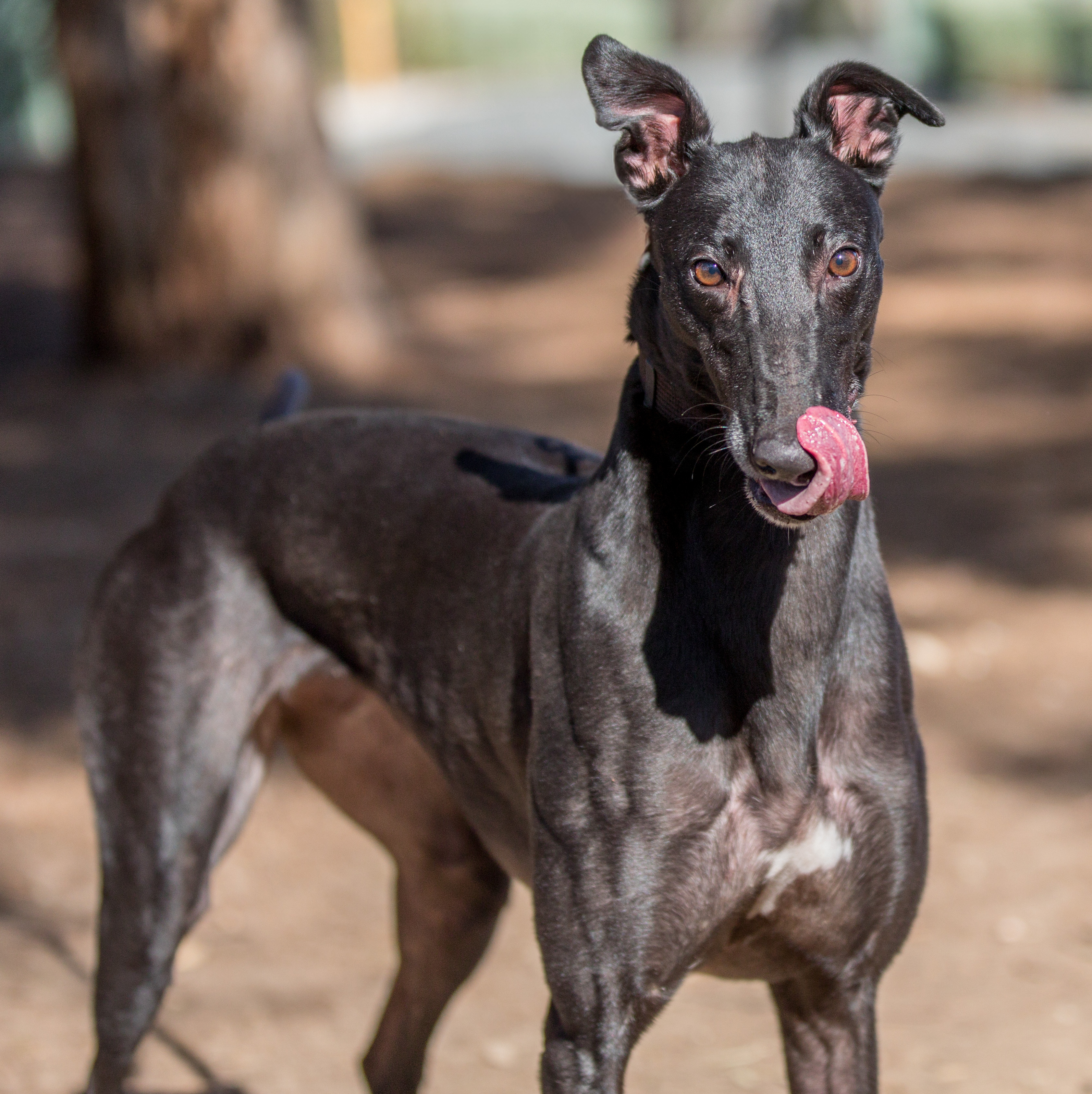
Quinny
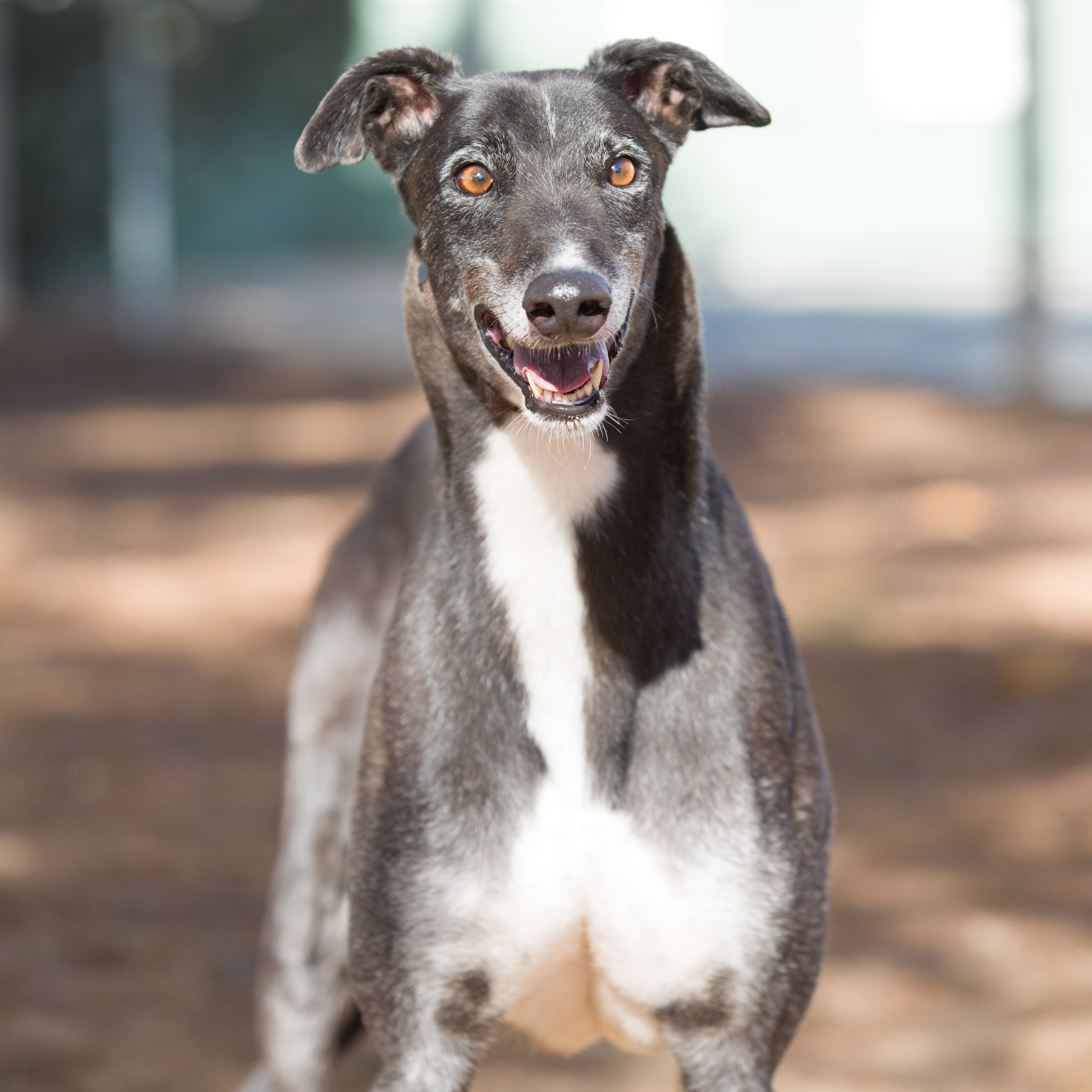
Frank