Share your greyhound love story
Every adoption is a little bit magical - and we’d love to hear yours. Whether your greyhound is a champion snuggler, a backyard zoomie expert, or simply the heart of your home, your story could inspire others to open their hearts (and homes) too. Ready to tell us about your new best mate? Fill in the form below and become part of the GAP story.
Frequently asked questions
Adopting a greyhound is an exciting journey and it’s only natural to have a few questions along the way. Here are some of the most common questions we hear from future adopters and the answers that’ll help you feel confident every step of the way.
1
What is the process of adopting a greyhound?
The process of adopting a greyhound typically involves several steps. First, you will need to fill out an application form that provides information about your living situation, experience with pets, and your preferences for a dog. After your application is reviewed, you may be contacted for an interview to discuss your application in more detail. Once approved, you will be invited to meet the greyhounds available for adoption. This is a crucial step as it allows you to find a dog that matches your lifestyle and personality. After selecting a greyhound, you will complete the adoption paperwork and pay any associated fees.
Finally, you will receive guidance on how to transition your new pet into your home, including tips on training and care.
2
What should I consider before adopting a greyhound?
Before adopting a greyhound, it's important to consider several factors. Greyhounds are known for their gentle and calm demeanor, but they do require regular exercise and mental stimulation. Ensure you have a safe space for them to run and play. Additionally, consider your lifestyle and how much time you can dedicate to a new pet. Greyhounds can adapt to various living situations, but they thrive in homes where they receive love and attention. It's also essential to think about any other pets you may have and how they will interact with a new greyhound.
Lastly, be prepared for the financial responsibilities of pet ownership, including food, veterinary care, and other supplies.
3
Are greyhounds good with children?
Retired racing greyhounds are very tolerant with children. If a child becomes overbearing, the dog will usually walk away rather than snap or growl. As with all breeds of dogs, small children should never be left unsupervised with your greyhound. It’s also vitally important that you teach your children to respect the dog. Children poking dogs, falling on them or pulling tails should NEVER be allowed. Children should also be taught to respect the dog’s space around food and bedding. Homes with young children should also provide the greyhound with a “time out” area – this is a quiet space where the greyhound can get away from the children for a rest. Children should be taught that this area is off limits.
4
What is the average lifespan of a greyhound?
The average lifespan of a greyhound is typically between 10 to 14 years. Like all breeds, their lifespan can be influenced by various factors, including genetics, diet, and overall health care. Regular veterinary check-ups, a balanced diet, and proper exercise can contribute to a longer, healthier life for your greyhound. It's essential to be aware of common health issues that may affect the breed, such as bloat and hip dysplasia, and to take preventive measures.
By providing a loving and supportive environment, you can help ensure your greyhound lives a full and happy life.
5
Do retired greyhounds require a lot of exercise?
No. Greyhounds are sprinters and as such, tire very quickly. They enjoy, but are not dependent on, moderate exercise. In most homes, the shared experience of a short brisk walk once a day is enough to keep both the adopter and the adoptee in good physical health. They can make good jogging companions, but only after they are properly conditioned for long distances.
6
Are greyhounds good with other animals?
It depends on the dog. While some greyhounds are not suitable for homes with small animals such as cats and rabbits, a lot are. At GAP we behaviourally assess our greyhounds very thoroughly to ensure that a correct match between greyhound and adopter is achieved. Care should be taken when introducing your new greyhound to your other animals and they should never be left alone together until you are sure there are no problems.
7
What is the average size of a greyhound?
Male greyhounds are larger than females, weighing from 30 to 45kg and standing from 65 to 75cm at the shoulder. The females can weigh from 25 to 35kg and stand from 60 to 70cm at the shoulder.
8
Do females make better pets than males?
No. There is little difference between males and females, except that the males are larger. Female greyhounds tend to be more independent and stubborn, while males are generally more affectionate and easy going.
9
Why do greyhounds make good pets?
Greyhounds are quiet, well mannered, and very easy to live with. They are friendly, affectionate, lazy, calm, clean, loving, trusting and good-natured.
10
What happens if things don't work out?
All adoptions should be undertaken with the expectation that your new pet will be with you for life. However, GAP will always reclaim greyhounds should your situation change or in the unlikely event that you are unhappy with the dog.
11
What colour are greyhounds?
The most common colours are black, brindle and fawn. Other colours include blue and white, and a combination of these colours (e.g. black and white). It is important to note that GAP does not select dogs by colour.
12
Are the greyhounds for adoption house-trained?
Most of our dogs are house-trained before being adopted. Greyhounds are intelligent, clean animals who learn very quickly. As they are already kennel trained, house-training is usually quickly learnt. You should, however, expect some accidents until a routine has been established.
13
Can greyhounds be let off lead?
In public places, absolutely not! It is both illegal and extremely dangerous to allow a greyhound to run off lead. This includes off leash dog parks. Greyhounds are one of the fastest land mammals, with speeds reaching 67 kph. Horses, by comparison, have been known to reach 70 kph. If you think that you will simply run and catch your greyhound if he bolts, consider this: a sprinting man can run only 44 kph. Therefore, catching a running greyhound is only slightly less difficult than catching a running horse – impossible. Greyhounds have been bred for thousands of years for one thing: speed. In the case of retired racers, the situation is more acute because they have had the speed and chase mentality reinforced in them from the moment they were born. Once a greyhound spots something in the distance, they will be off to investigate and more times than not they won’t come back. Greyhounds also have no road sense and can easily run out on the road and get hit by a car. Due to the speed at which they run, greyhounds can quickly get lost or seriously injured or killed should they step in a pot hole, hit a stick or fence or slip on uneven ground.
14
Do greyhounds make good guard dogs?
No. Greyhounds are placid, friendly animals who are not protective about their property or people. They tend not to bark, and rarely alert owners to the arrival of strangers at their home.
15
Do greyhounds have to be muzzled in public?
The Victorian Government approved changes to the greyhound muzzling laws and effective 1 January 2019, retired greyhound owners can choose to have their greyhounds muzzle free in public. Note: Greyhounds who successfully pass the GAP program will continue to undergo a thorough temperament assessment to ensure they are safe around small dogs and okay to be muzzle free in public.
16
Do retired racing greyhounds adjust quickly to life as a pet?
Yes. Greyhounds are fostered by GAP for around one month to expose them to as many new things as possible, and the dogs are quite settled in a family environment well before the foster time is through. Greyhounds thrive on human companionship and bond very quickly. Bonding usually only takes a matter of days, and becoming accustomed to a new routine and environment generally only takes a few weeks. The older greyhounds tend to be better mannered from the start while the younger dogs are generally more curious and active.
Meet our dogs ready for adoption
All greyhounds adopted from GAP are de-sexed, vaccinated, microchipped, wormed and health checked.

Name
0 Years Old
Lorem ipsum dolor sit amet, consectetur adipiscing elit, sed do eiusmod tempor incididunt ut labore et dolore magna aliqua. Ut enim ad minim veniam, quis nostrud exercitation ullamco laboris nisi ut aliquip ex ea commodo consequat. Duis aute irure dolor in reprehenderit in voluptate velit esse cillum dolore eu fugiat nulla.
Name
0 Years Old
Lorem ipsum dolor sit amet, consectetur adipiscing elit, sed do eiusmod tempor incididunt ut labore et dolore magna aliqua. Ut enim ad minim veniam, quis nostrud exercitation ullamco laboris nisi ut aliquip ex ea commodo consequat. Duis aute irure dolor in reprehenderit in voluptate velit esse cillum dolore eu fugiat nulla.
Name
0 Years Old
Lorem ipsum dolor sit amet, consectetur adipiscing elit, sed do eiusmod tempor incididunt ut labore et dolore magna aliqua. Ut enim ad minim veniam, quis nostrud exercitation ullamco laboris nisi ut aliquip ex ea commodo consequat. Duis aute irure dolor in reprehenderit in voluptate velit esse cillum dolore eu fugiat nulla.
Name
0 Years Old
Lorem ipsum dolor sit amet, consectetur adipiscing elit, sed do eiusmod tempor incididunt ut labore et dolore magna aliqua. Ut enim ad minim veniam, quis nostrud exercitation ullamco laboris nisi ut aliquip ex ea commodo consequat. Duis aute irure dolor in reprehenderit in voluptate velit esse cillum dolore eu fugiat nulla.
Name
0 Years Old
Lorem ipsum dolor sit amet, consectetur adipiscing elit, sed do eiusmod tempor incididunt ut labore et dolore magna aliqua. Ut enim ad minim veniam, quis nostrud exercitation ullamco laboris nisi ut aliquip ex ea commodo consequat. Duis aute irure dolor in reprehenderit in voluptate velit esse cillum dolore eu fugiat nulla.
Name
0 Years Old
Lorem ipsum dolor sit amet, consectetur adipiscing elit, sed do eiusmod tempor incididunt ut labore et dolore magna aliqua. Ut enim ad minim veniam, quis nostrud exercitation ullamco laboris nisi ut aliquip ex ea commodo consequat. Duis aute irure dolor in reprehenderit in voluptate velit esse cillum dolore eu fugiat nulla.
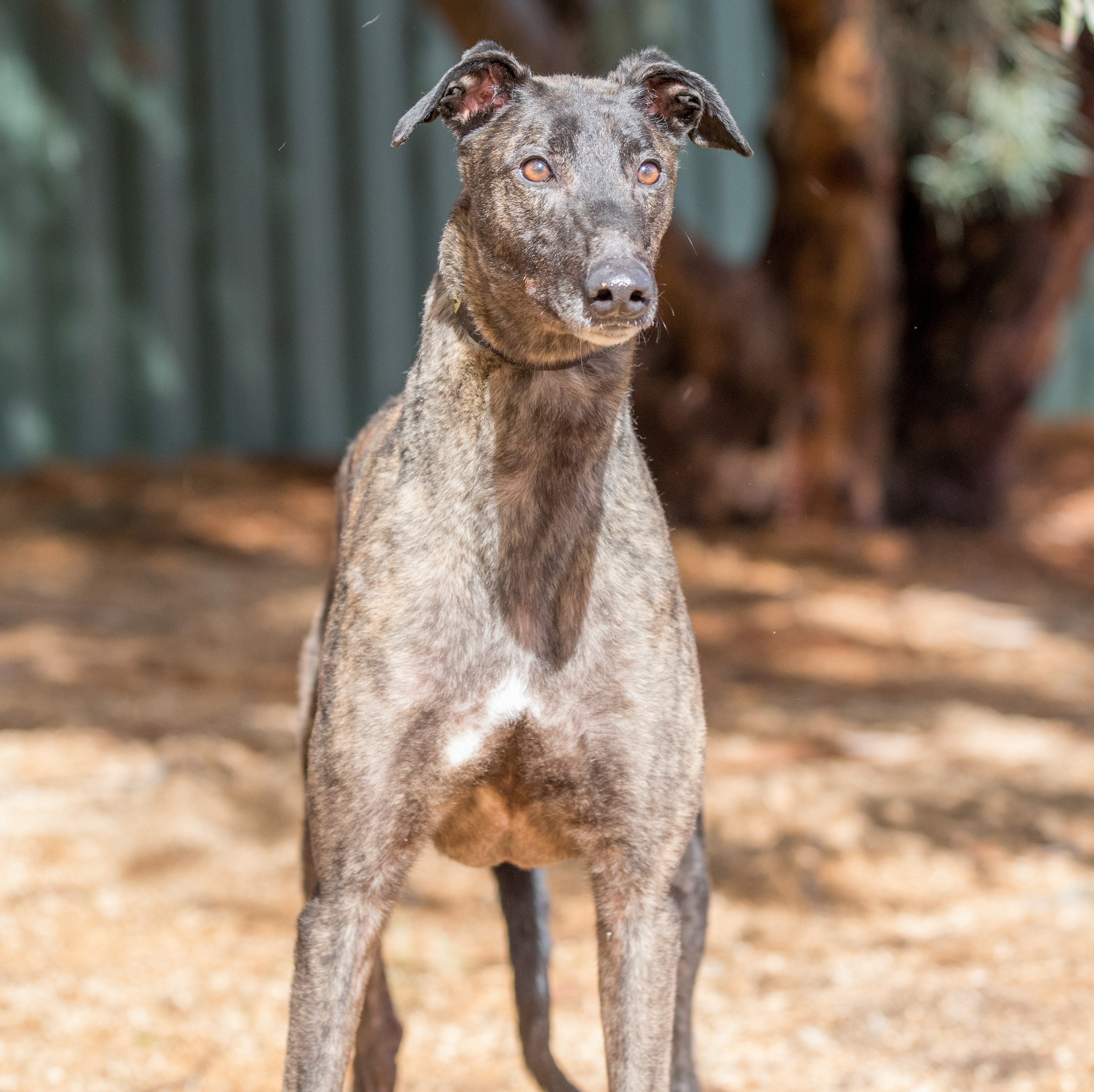
Bear

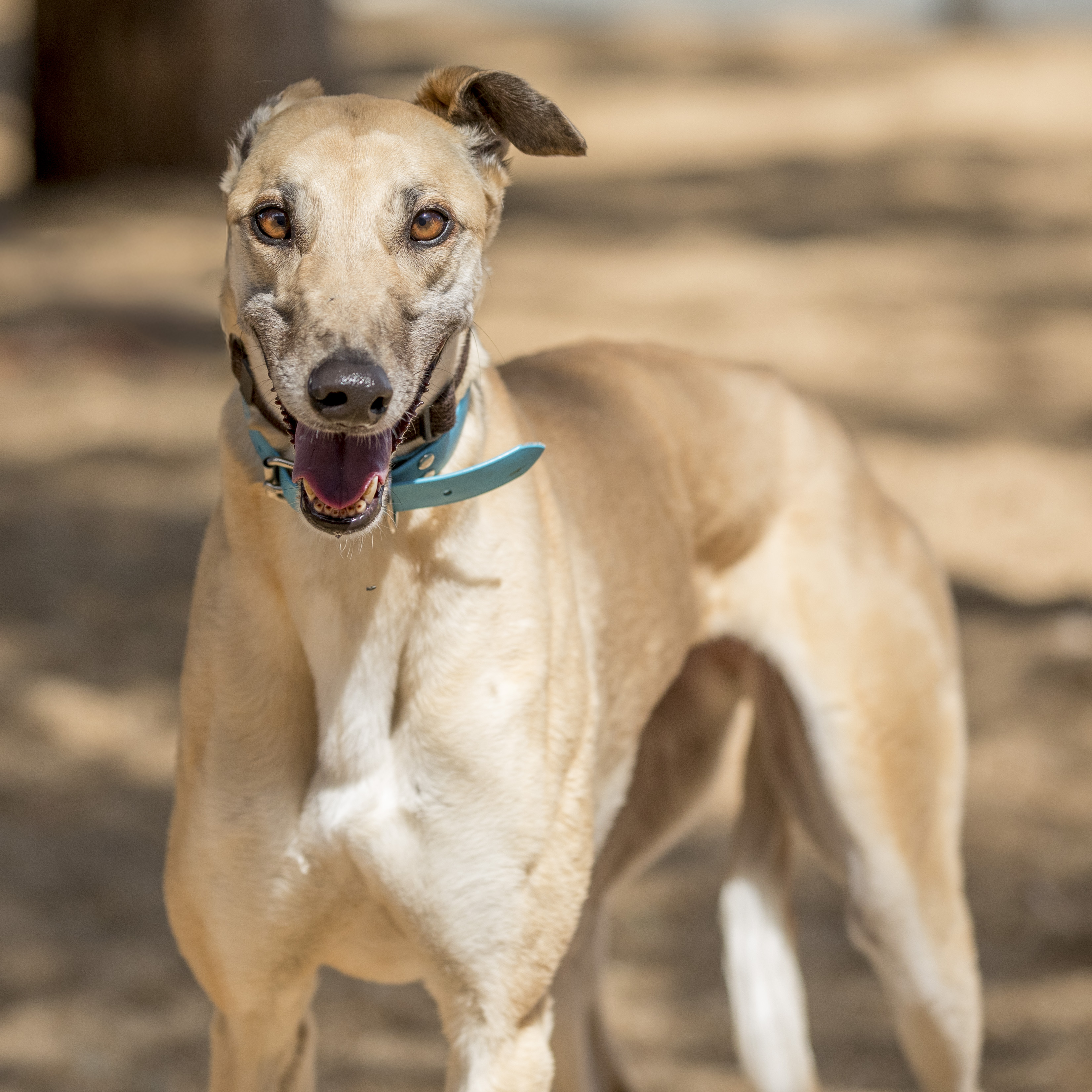
Xandi ARP

Sweet Xandi is a pretty and gentle soul who is looking for a patient, understanding home where she can build her confidence at her own pace. Having previously lived inside and even enjoyed sleeping on her owner's bed, she is familiar with home life and appreciates the comfort and security of being close to her people. Quiet, sweet and personable, Xandi is easy to handle and forms lovely connections through soft eye contact and her affectionate nature. While she can be timid and a little anxious in new situations, she always tries her best and responds beautifully to kindness and reassurance.
As an introverted and submissive girl, Xandi will likely take a few days to come out of her shell in a new environment, but once she feels safe, her loving personality begins to shine through. She would thrive with an owner who can give her the time, patience and encouragement she needs to settle in and feel secure. Xandi may suit living with or without a canine companion of any size and could be well suited to a home with children aged 15 years and older who can respect her gentle and sensitive nature.
If you're interested in adopting this dog, we'll arrange for them to come into GAP specifically for you to meet and complete the adoption process. Since the dog is being brought into the program based on your interest, we ask that applicants be reasonably confident this is the greyhound they'd like to welcome into their family. Unlike our standard adoption process, you won't be able to meet multiple dogs at the same time however our team will share lots of information about this greyhound to help you determine if they're the perfect match for your family.
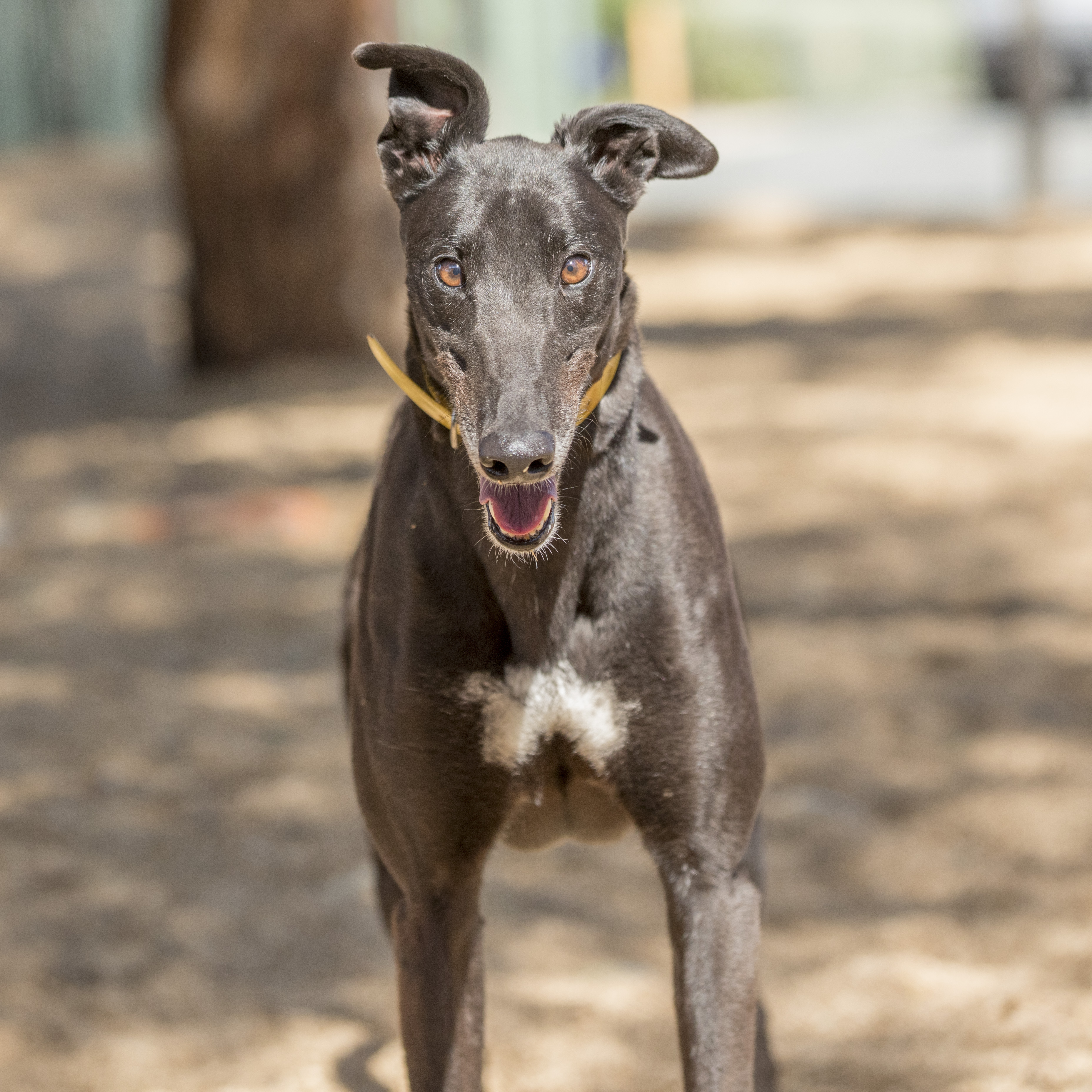
Eddie ARP
Lovely black Eddie is a calm and easy-going gentleman who takes everything in his stride. Quiet, sweet and laidback, he has a friendly and confident nature that makes him a pleasure to be around. Having previously lived inside a home, Eddie is familiar with household life and is ready to settle into his next chapter with ease. He enjoys spending time with his people and has a personable charm that helps him make friends wherever he goes. With his gentle temperament and relaxed outlook, Eddie would make a wonderful companion for a variety of homes. Whether joining you for a leisurely stroll or simply relaxing by your side, he is happiest when sharing life's everyday moments with those he loves. Eddie may suit living with or without a canine friend of a similar size and could be a lovely addition to a family with children aged 5 years and older.
If you're interested in adopting this dog, we'll arrange for them to come into GAP specifically for you to meet and complete the adoption process. Since the dog is being brought into the program based on your interest, we ask that applicants be reasonably confident this is the greyhound they'd like to welcome into their family. Unlike our standard adoption process, you won't be able to meet multiple dogs at the same time however our team will share lots of information about this greyhound to help you determine if they're the perfect match for your family.
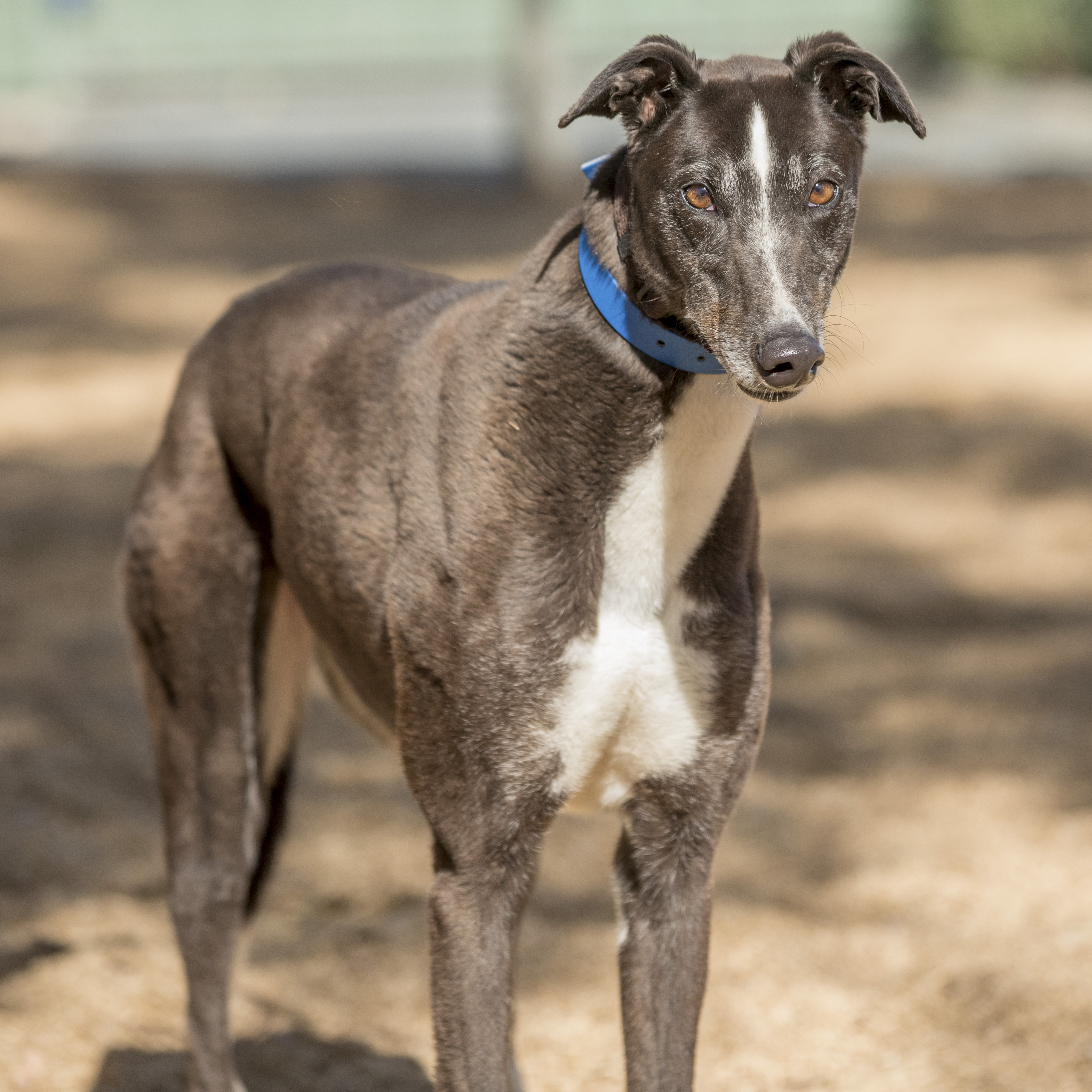
Intex ARP
The lovely Intex is a delightful girl with striking white markings and an equally beautiful personality to match. Social, friendly and confident, she enjoys meeting new people and charms everyone she encounters with her affectionate and outgoing nature. Intex loves being involved in whatever is happening around her and is always ready to share a cuddle, leaning into family life with enthusiasm and grace. With her personable temperament and easy-going outlook, Intex is sure to make a wonderful companion for a variety of homes. Whether she's spending time with her people, making new friends, or simply relaxing by your side, this sweet girl is happiest when she is part of the action. Intex may suit living with or without a canine brother of a similar size and could be a lovely addition to a family with children aged 5 years and older.
If you're interested in adopting this dog, we'll arrange for them to come into GAP specifically for you to meet and complete the adoption process. Since the dog is being brought into the program based on your interest, we ask that applicants be reasonably confident this is the greyhound they'd like to welcome into their family. Unlike our standard adoption process, you won't be able to meet multiple dogs at the same time however our team will share lots of information about this greyhound to help you determine if they're the perfect match for your family.
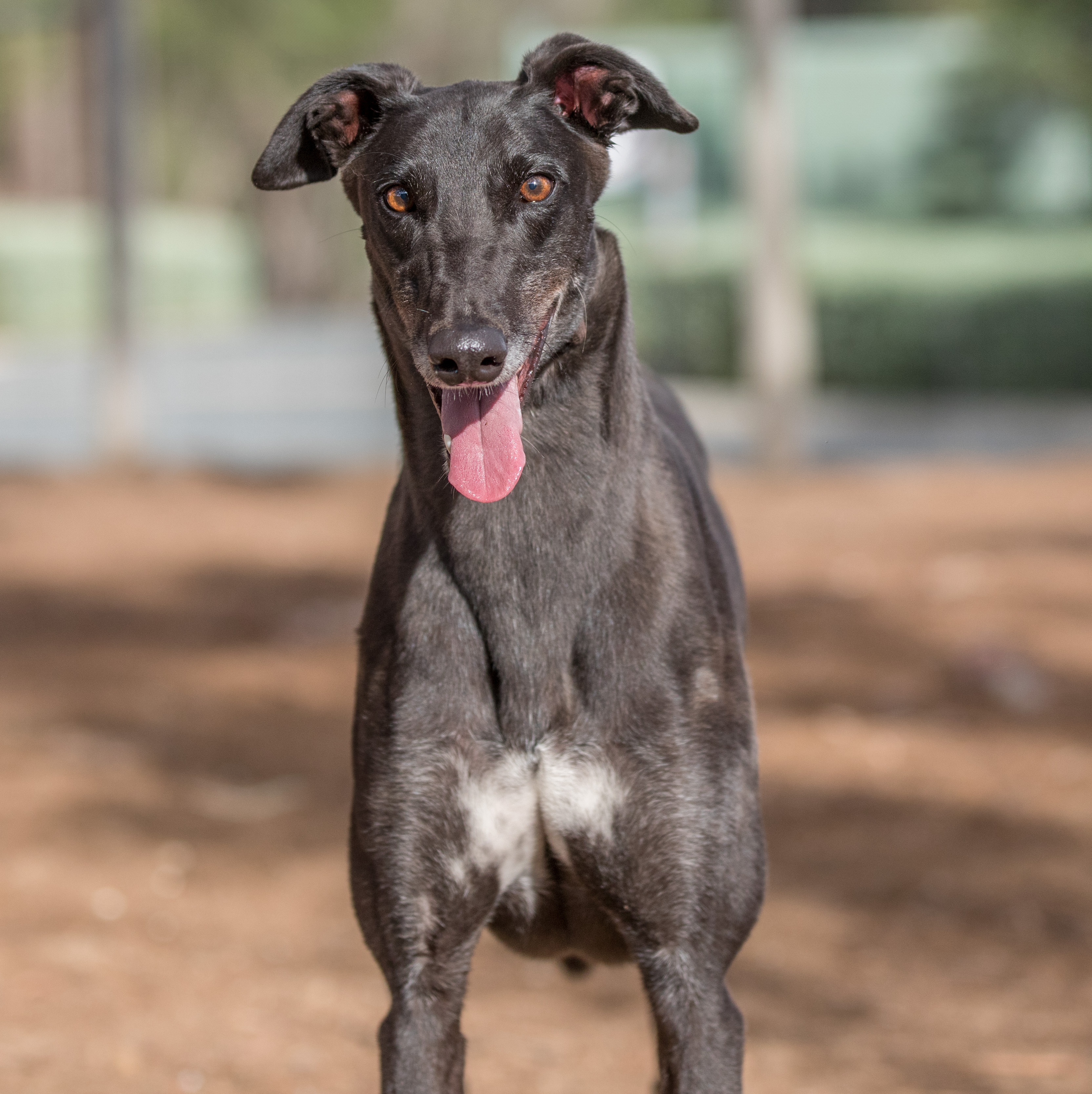
Moro
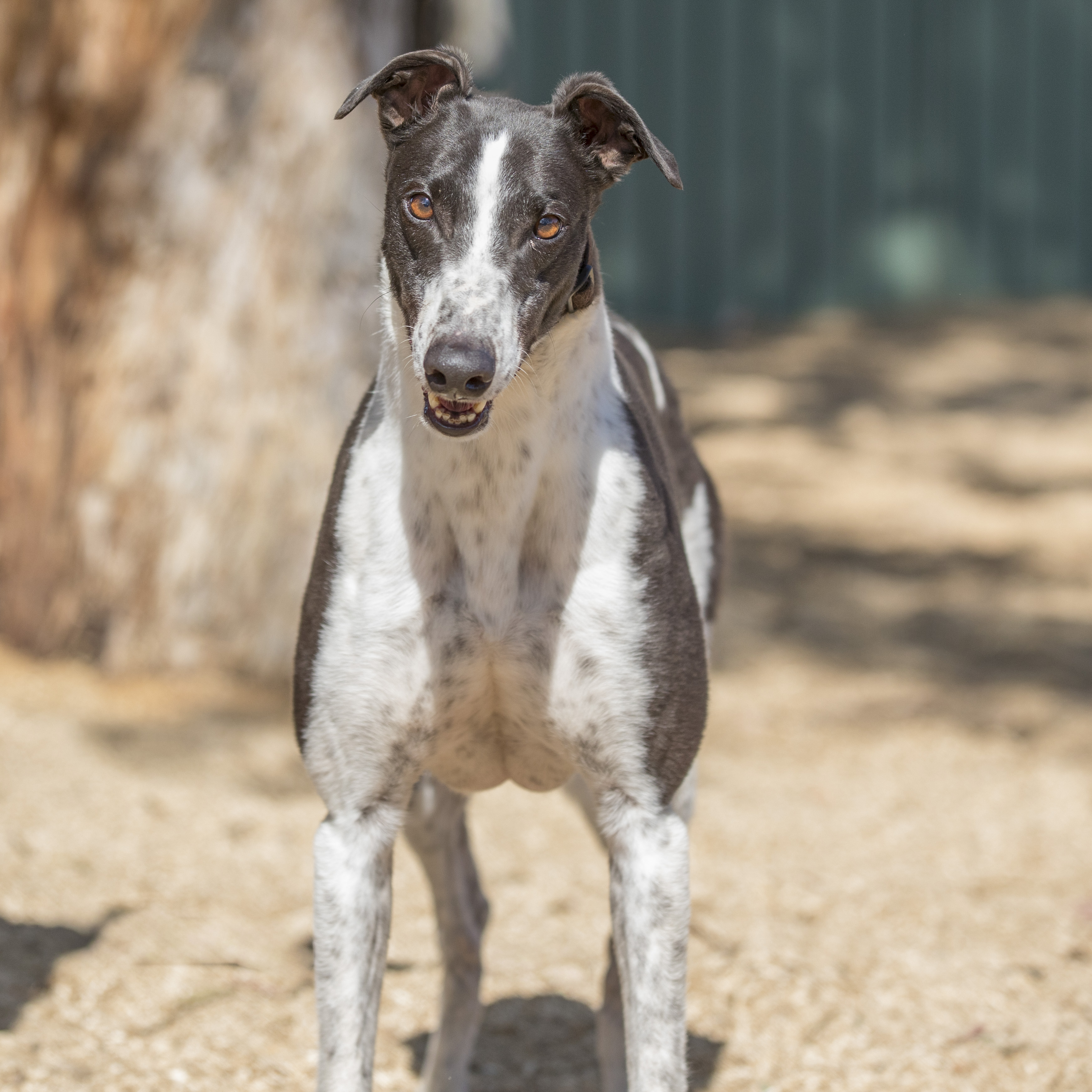
Cowboy
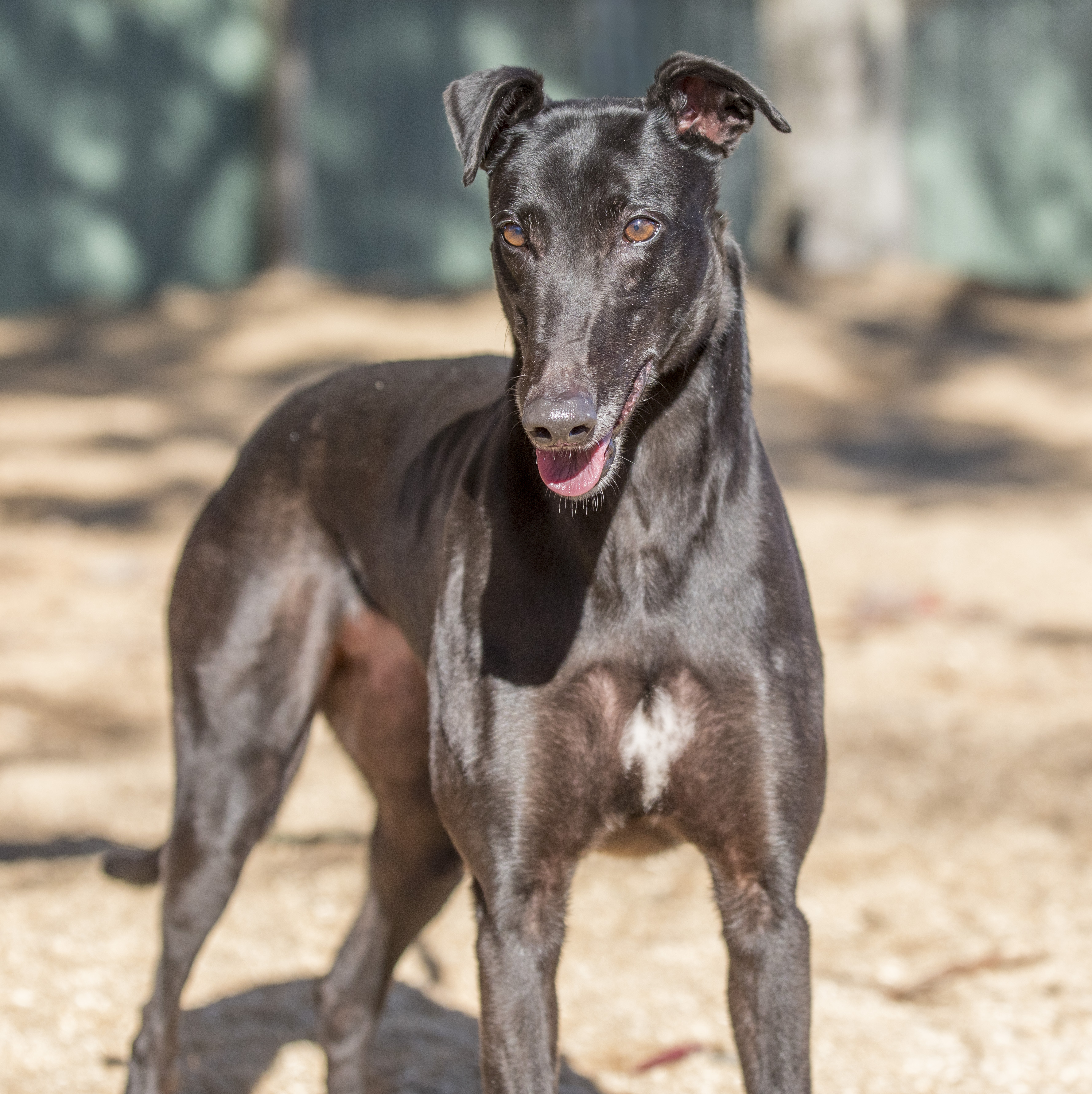
Russia

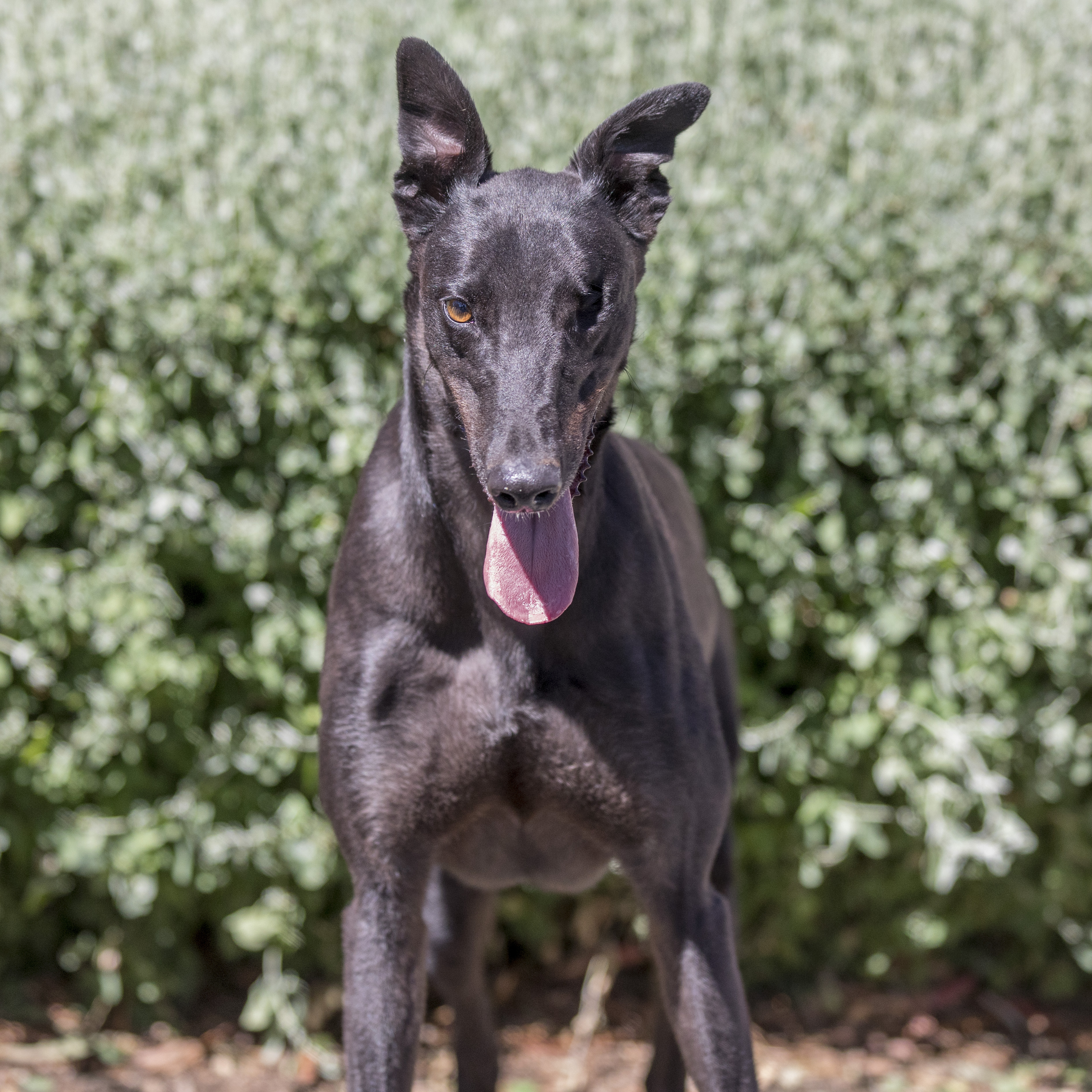
Cotton
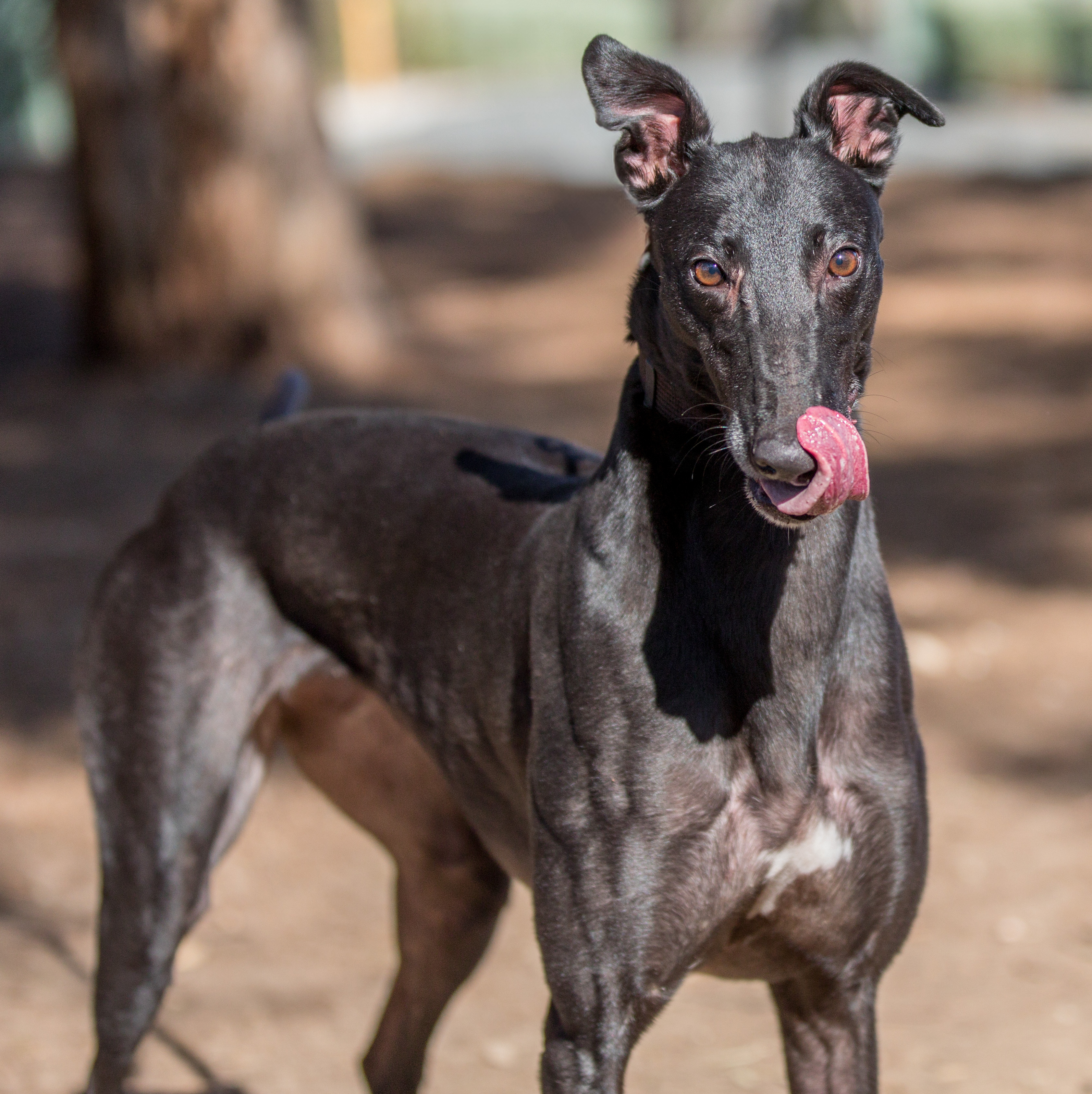
Quinny
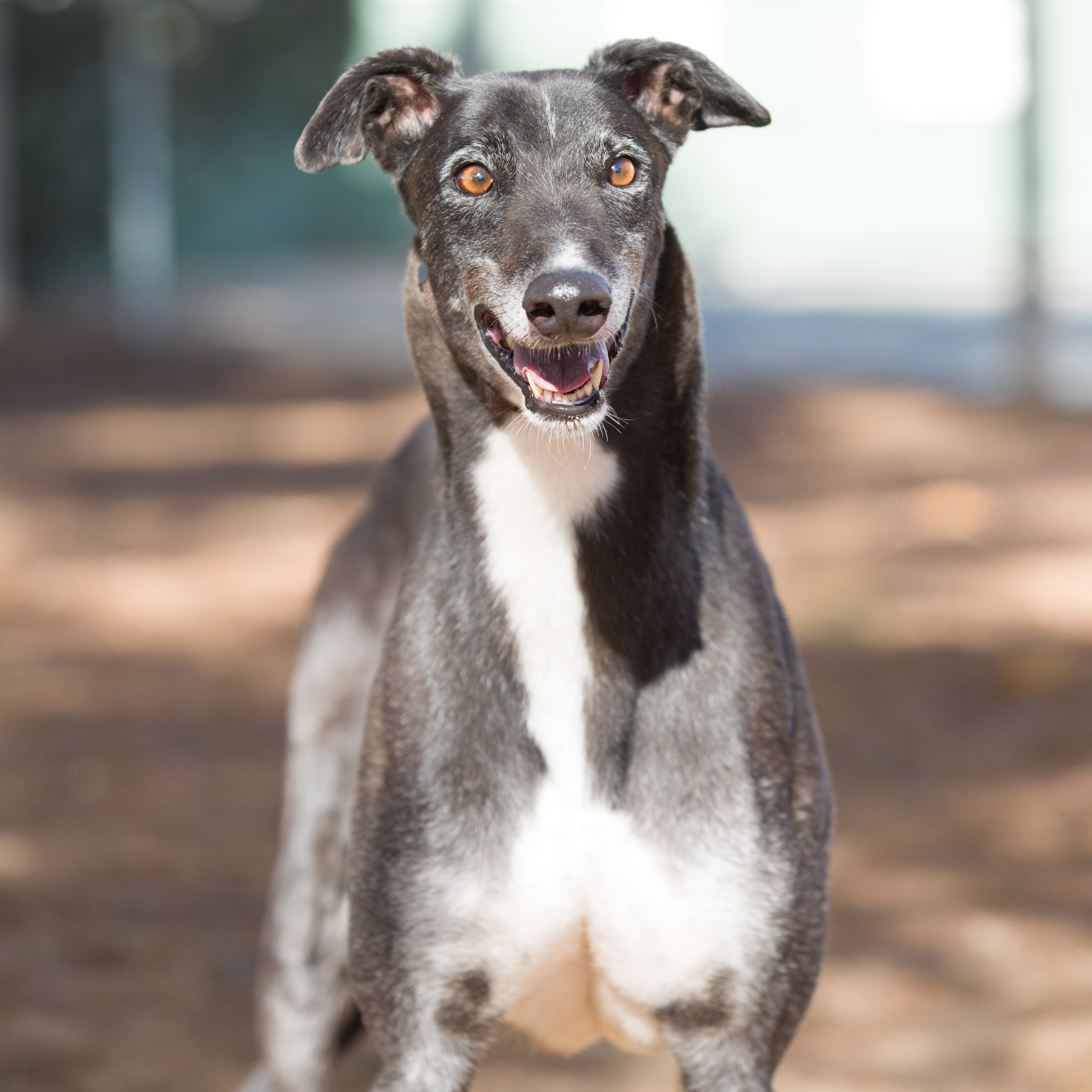
Frank
