Grass Seeds
Every year, many animals are presented to their vet due to problems caused by the humble grass seed.
Warm, wet, spring-time conditions are perfect for grass growing and can soon turn to an increase in grass seed problems when the grasses seed and dry out in summer.
The grass seeds or ‘awns’ come in a variety of shapes and sizes, but one of the most common ones to cause trouble is the seed from Barley Grass, which has a firm, sharp tip, and awns that fan out into a wedge. The sharp tip makes it perfect for piercing through skin, and the fanned awns mean the seed can only move forward, not backwards – similar to the action of the tip of a fish hook.
Where do grass seed problems occur?
Eyes
Grass seeds in your dog’s eyes can sometimes be tricky to see as they can get themselves tucked deep in the ‘pocket’ between the eyelid and the eye itself, or behind the dog’s third eyelid. If you find your greyhound squinting, or rubbing at its eye, it may be that a grass seed is the culprit. Have a look at the eye in good light, and gently open the eyelids.
If you can see a grass seed, sometimes you can gently grasp it with your fingers or roll it out gently using the dog’s eyelids. If you can’t see anything, but the dog is still bothered by the eye, then have it checked urgently by your vet. The seeds (and other foreign matter) can act like a rasp on the dog’s cornea and can carry bacteria. Ulcers and conjunctivitis can easily develop as a consequence of a grass seed getting lodged and can lead to further damage to the eye, or in severe cases, loss of the eye all together.
Even if you successfully remove a seed from your dog’s eye, your dog’s eye should be checked by a vet to make sure the seed has not caused any damage.
Ears
Grass seeds in the ear usually cause dogs to shake their head or paw at their ear as the sharp bits of the seed tickle and hurt the lining of the ear canal. Occasionally the shaking will be successful in dislodging the seed, but in most cases the seed (or seeds) will have to be removed by your vet with a special instrument that reaches safely into the ear canal.
If untreated, it is possible for an ear infection to develop, or for the seed to pierce through the ear drum and enter the middle ear (which can be very serious, not to mention painful). As a secondary problem, sometimes the violence of the head shaking can lead to damage to the blood vessels in the soft ear flap, and the dog’s ear flap may swell up into a huge blood blister (called an ‘Aural Haematoma’). This can happen quite quickly and the haematoma may then need to be drained and treated by your vet.
Toes and feet
One of the most common problems vets see is grass seed lodging in a dog’s foot. This is a bigger problem for breeds with a lot of hair between their toes, but can it affect any breed, including greyhounds. It occurs when a dog stands on the seed, and it gets caught on the underside of the foot or in between the toes. If not noticed or removed, the seed can work its way through the skin, and start travelling in the space between the tendons and ligaments (remember the shape of the seed means it can only travel forwards not backwards). The grass seed irritates the body, and often drags soil and bacteria in with it as it enters the body – setting things up for an infection. Often the first thing the owner notices is a swelling, usually just above where the toes join at the top of the foot, or a ‘weeping’ hole that the dog continually licks and chews. The dog may be lame, and if the infection is severe, may show all the signs of being unwell or having a fever.
This issue causes a real problem for the vet because the only solution is to remove the seed, which isn’t easy. Sometimes, with a co-operative patient this can be done during the vet visit, but some dogs require sedation so that the vet can probe for the seed. Simply treating the dog with antibiotics will reduce the infection, but the swelling and infection will return again if the seed is still there. The dilemma for the vet is that the seed may have already come out when the abscess burst, but there is no way of telling just by looking. Sometimes the vet will not find a seed despite probing the wound, but if the problem recurs at the exact same site within a few weeks it suggests that the original seed may still be there.
Luckily most grass seeds simply enter from underneath the foot and burst out of the top of the foot, but some seeds have been known to track up the leg over time causing repeated swelling and infection at sites up the leg.
Inhalation & Ingestion
It is also possible for dogs to either inhale a grass seed – especially when running through long grass – or to ingest it accidentally whilst chewing or licking their coats, or when eating food directly off the ground. Grass seeds that get into the lung or airways pose a particularly sinister risk as they are impossible to detect, and signs develop late in the course of the infection. The dog may be fine, then suddenly develop signs of a chest infection, pneumonia or collapsed lung with no history of any other upper respiratory problems. All the vet can see is the infection and damage to the lungs, and it is possible for the dog to die before the real cause of the problem is detected.
Grass seeds that end up in the stomach are generally digested by the body, but it is possible for seed to pierce through the digestive tract into the surrounding tissues and organs before digestion occurs. These seeds can end up anywhere, and signs and symptoms will depend on where they cause damage or infection.
What can I do?
The best way to protect your dog from grass seeds is to be particularly vigilant during the months when they pose the greatest risk – usually from late spring to the end of summer. Keeping grass and weeds under control at home with a combination of mowing and removal can reduce the number of seeds that the dog is exposed to.
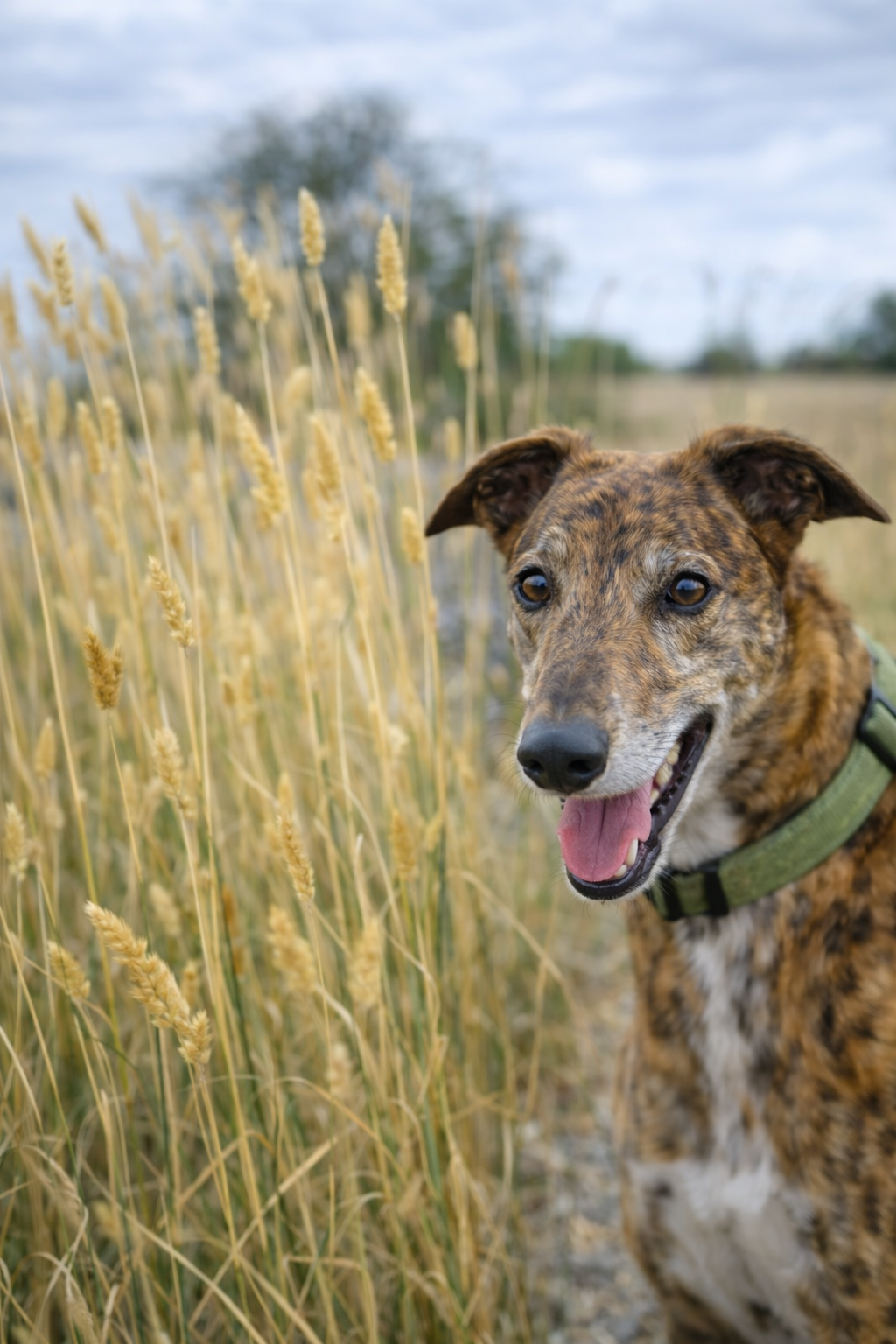
Avoid long grass when out walking your greyhound, which shouldn’t be hard to do given they have to be on a leash in public anyway. If you visit a private ‘off-leash’ area with your greyhounds, make sure there’s no long grass in the area.
Finally, when you get home from a walk, check your greyhound all over for seeds and remove them so they don’t become a problem. You need to check in between the toes, under the feet, and in all the ‘crevices’ – under the tail, under the collar and so on – where a grass seed might get trapped.
If your dog is shaking its head more than once or twice, or if they are chewing, licking or rubbing at a particular area, do a thorough inspection straight away. If you are not sure, contact your vet for advice – often a quick visit to the vet at the start of a problem can save you a lot of money in the long run.


.png)


Meet our dogs ready for adoption
All greyhounds adopted from GAP are de-sexed, vaccinated, microchipped, wormed and health checked.

Name
0 Years Old
Lorem ipsum dolor sit amet, consectetur adipiscing elit, sed do eiusmod tempor incididunt ut labore et dolore magna aliqua. Ut enim ad minim veniam, quis nostrud exercitation ullamco laboris nisi ut aliquip ex ea commodo consequat. Duis aute irure dolor in reprehenderit in voluptate velit esse cillum dolore eu fugiat nulla.
Name
0 Years Old
Lorem ipsum dolor sit amet, consectetur adipiscing elit, sed do eiusmod tempor incididunt ut labore et dolore magna aliqua. Ut enim ad minim veniam, quis nostrud exercitation ullamco laboris nisi ut aliquip ex ea commodo consequat. Duis aute irure dolor in reprehenderit in voluptate velit esse cillum dolore eu fugiat nulla.
Name
0 Years Old
Lorem ipsum dolor sit amet, consectetur adipiscing elit, sed do eiusmod tempor incididunt ut labore et dolore magna aliqua. Ut enim ad minim veniam, quis nostrud exercitation ullamco laboris nisi ut aliquip ex ea commodo consequat. Duis aute irure dolor in reprehenderit in voluptate velit esse cillum dolore eu fugiat nulla.
Name
0 Years Old
Lorem ipsum dolor sit amet, consectetur adipiscing elit, sed do eiusmod tempor incididunt ut labore et dolore magna aliqua. Ut enim ad minim veniam, quis nostrud exercitation ullamco laboris nisi ut aliquip ex ea commodo consequat. Duis aute irure dolor in reprehenderit in voluptate velit esse cillum dolore eu fugiat nulla.
Name
0 Years Old
Lorem ipsum dolor sit amet, consectetur adipiscing elit, sed do eiusmod tempor incididunt ut labore et dolore magna aliqua. Ut enim ad minim veniam, quis nostrud exercitation ullamco laboris nisi ut aliquip ex ea commodo consequat. Duis aute irure dolor in reprehenderit in voluptate velit esse cillum dolore eu fugiat nulla.
Name
0 Years Old
Lorem ipsum dolor sit amet, consectetur adipiscing elit, sed do eiusmod tempor incididunt ut labore et dolore magna aliqua. Ut enim ad minim veniam, quis nostrud exercitation ullamco laboris nisi ut aliquip ex ea commodo consequat. Duis aute irure dolor in reprehenderit in voluptate velit esse cillum dolore eu fugiat nulla.
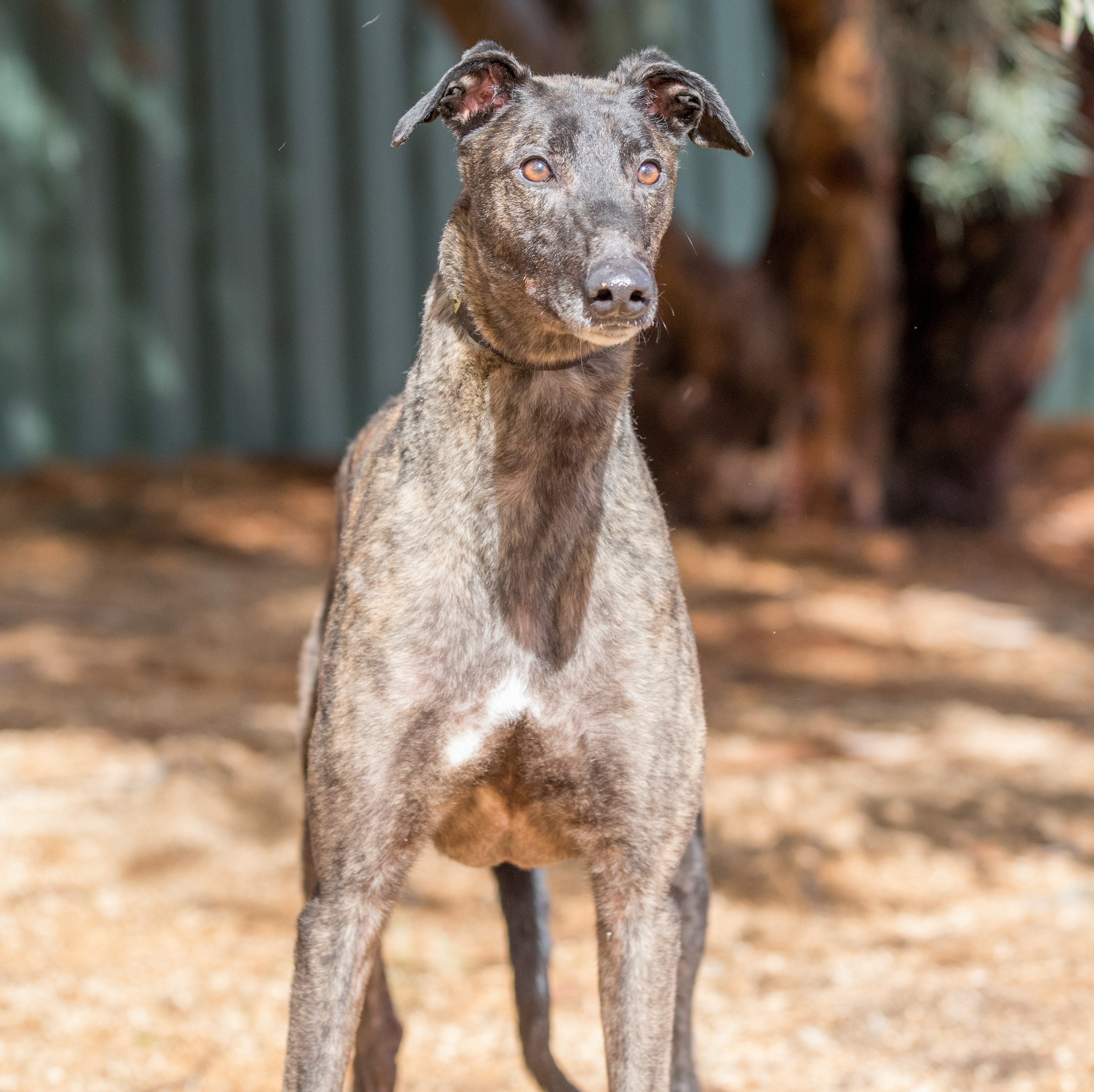
Bear

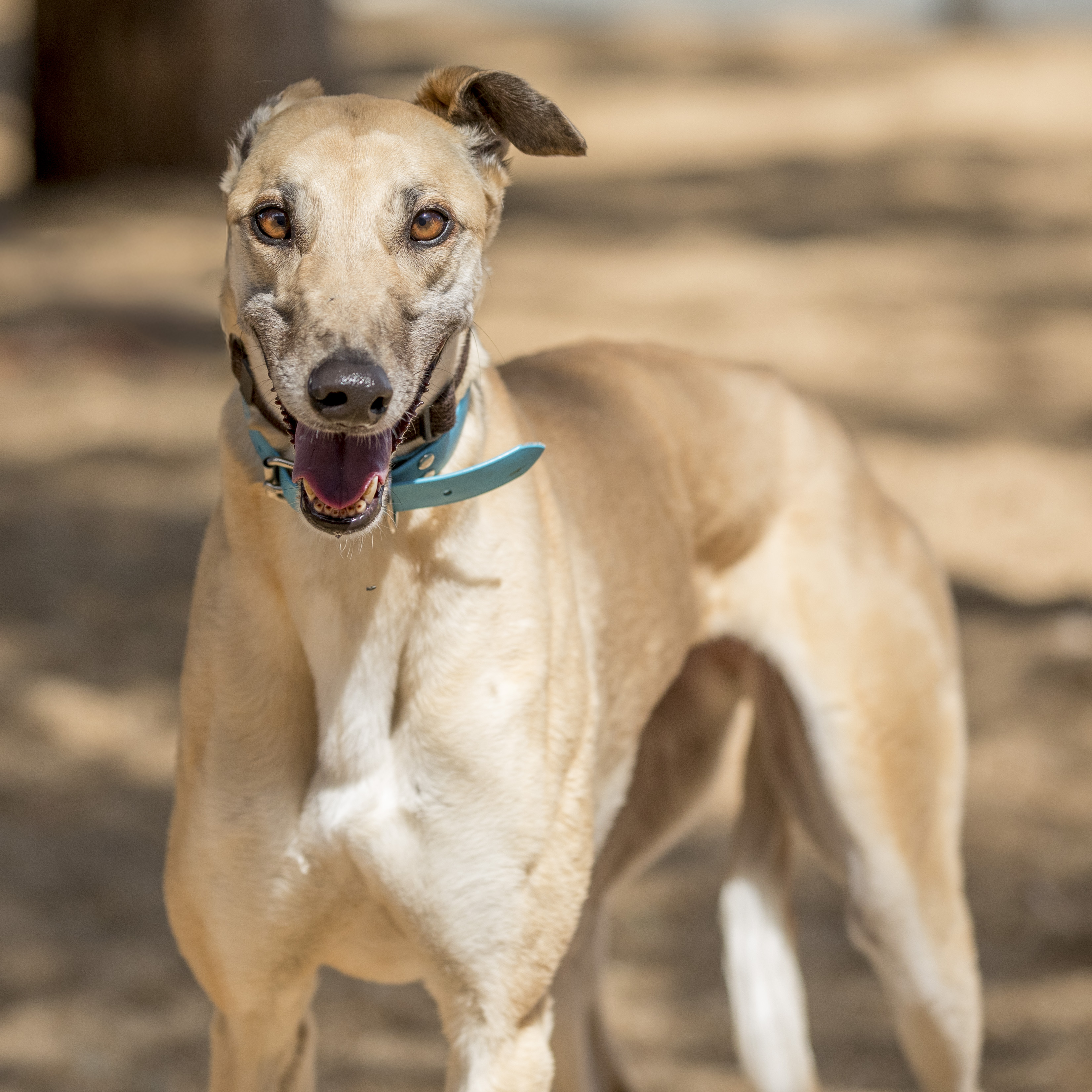
Xandi ARP

Sweet Xandi is a pretty and gentle soul who is looking for a patient, understanding home where she can build her confidence at her own pace. Having previously lived inside and even enjoyed sleeping on her owner's bed, she is familiar with home life and appreciates the comfort and security of being close to her people. Quiet, sweet and personable, Xandi is easy to handle and forms lovely connections through soft eye contact and her affectionate nature. While she can be timid and a little anxious in new situations, she always tries her best and responds beautifully to kindness and reassurance.
As an introverted and submissive girl, Xandi will likely take a few days to come out of her shell in a new environment, but once she feels safe, her loving personality begins to shine through. She would thrive with an owner who can give her the time, patience and encouragement she needs to settle in and feel secure. Xandi may suit living with or without a canine companion of any size and could be well suited to a home with children aged 15 years and older who can respect her gentle and sensitive nature.
If you're interested in adopting this dog, we'll arrange for them to come into GAP specifically for you to meet and complete the adoption process. Since the dog is being brought into the program based on your interest, we ask that applicants be reasonably confident this is the greyhound they'd like to welcome into their family. Unlike our standard adoption process, you won't be able to meet multiple dogs at the same time however our team will share lots of information about this greyhound to help you determine if they're the perfect match for your family.
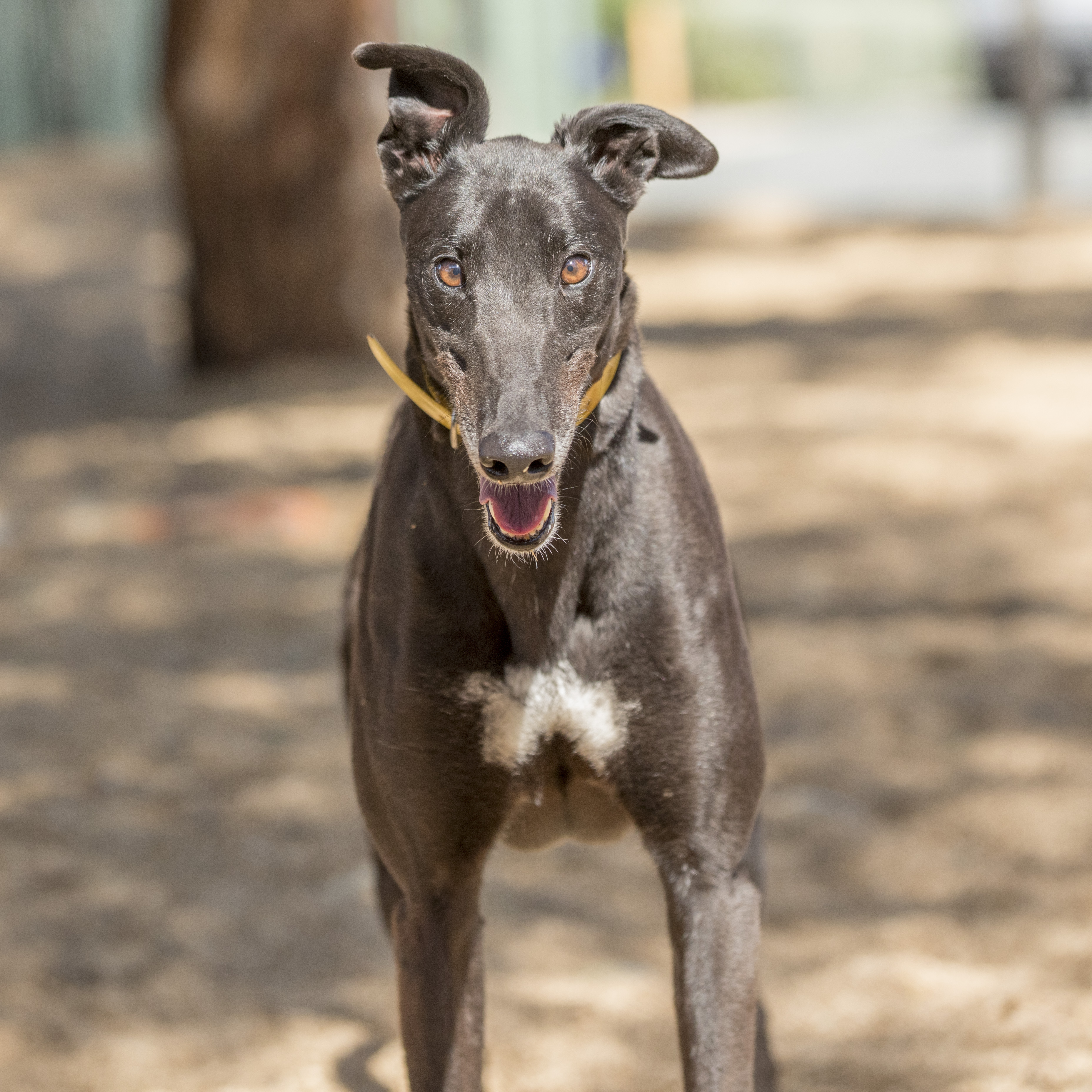
Eddie ARP
Lovely black Eddie is a calm and easy-going gentleman who takes everything in his stride. Quiet, sweet and laidback, he has a friendly and confident nature that makes him a pleasure to be around. Having previously lived inside a home, Eddie is familiar with household life and is ready to settle into his next chapter with ease. He enjoys spending time with his people and has a personable charm that helps him make friends wherever he goes. With his gentle temperament and relaxed outlook, Eddie would make a wonderful companion for a variety of homes. Whether joining you for a leisurely stroll or simply relaxing by your side, he is happiest when sharing life's everyday moments with those he loves. Eddie may suit living with or without a canine friend of a similar size and could be a lovely addition to a family with children aged 5 years and older.
If you're interested in adopting this dog, we'll arrange for them to come into GAP specifically for you to meet and complete the adoption process. Since the dog is being brought into the program based on your interest, we ask that applicants be reasonably confident this is the greyhound they'd like to welcome into their family. Unlike our standard adoption process, you won't be able to meet multiple dogs at the same time however our team will share lots of information about this greyhound to help you determine if they're the perfect match for your family.
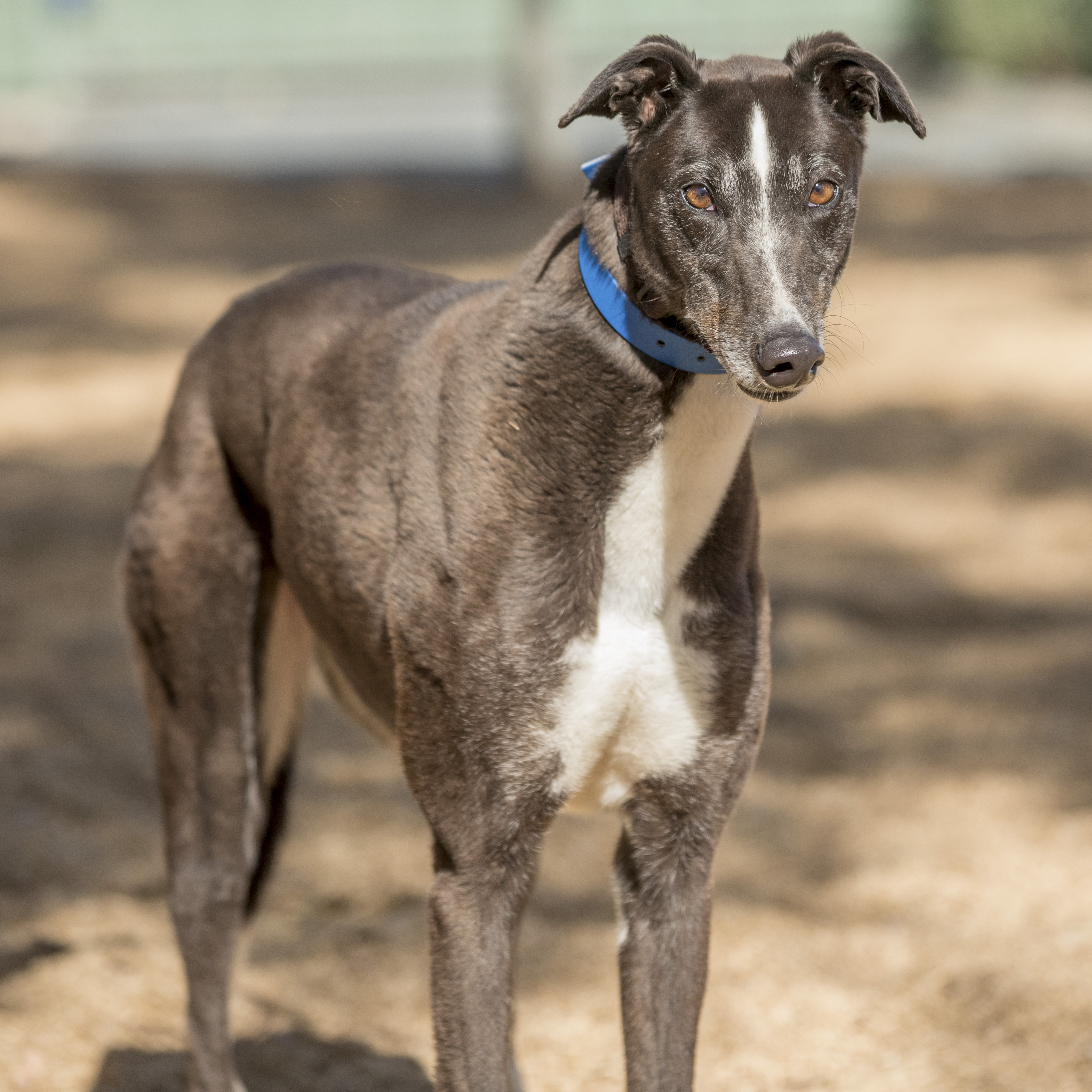
Intex ARP
The lovely Intex is a delightful girl with striking white markings and an equally beautiful personality to match. Social, friendly and confident, she enjoys meeting new people and charms everyone she encounters with her affectionate and outgoing nature. Intex loves being involved in whatever is happening around her and is always ready to share a cuddle, leaning into family life with enthusiasm and grace. With her personable temperament and easy-going outlook, Intex is sure to make a wonderful companion for a variety of homes. Whether she's spending time with her people, making new friends, or simply relaxing by your side, this sweet girl is happiest when she is part of the action. Intex may suit living with or without a canine brother of a similar size and could be a lovely addition to a family with children aged 5 years and older.
If you're interested in adopting this dog, we'll arrange for them to come into GAP specifically for you to meet and complete the adoption process. Since the dog is being brought into the program based on your interest, we ask that applicants be reasonably confident this is the greyhound they'd like to welcome into their family. Unlike our standard adoption process, you won't be able to meet multiple dogs at the same time however our team will share lots of information about this greyhound to help you determine if they're the perfect match for your family.
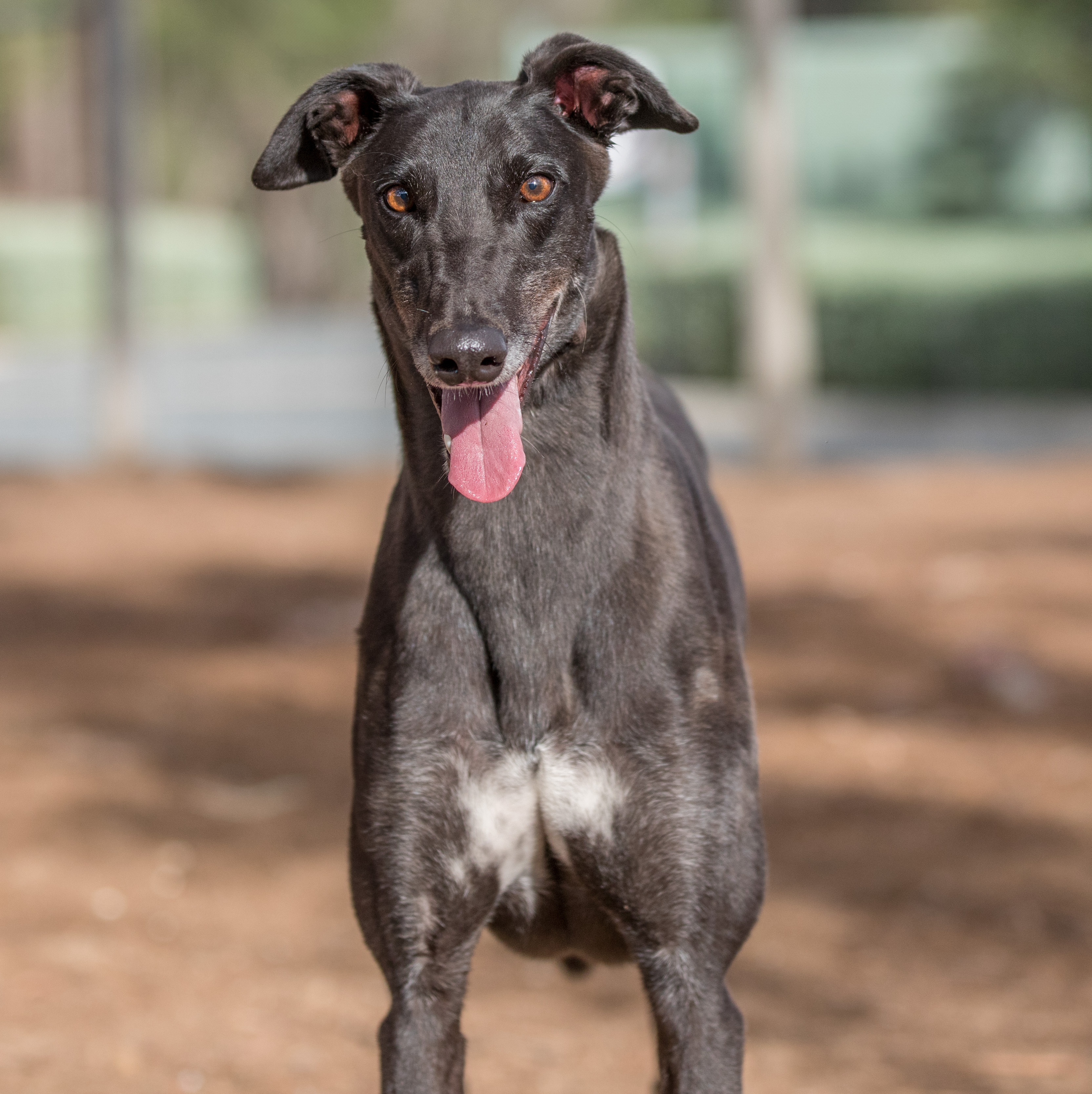
Moro
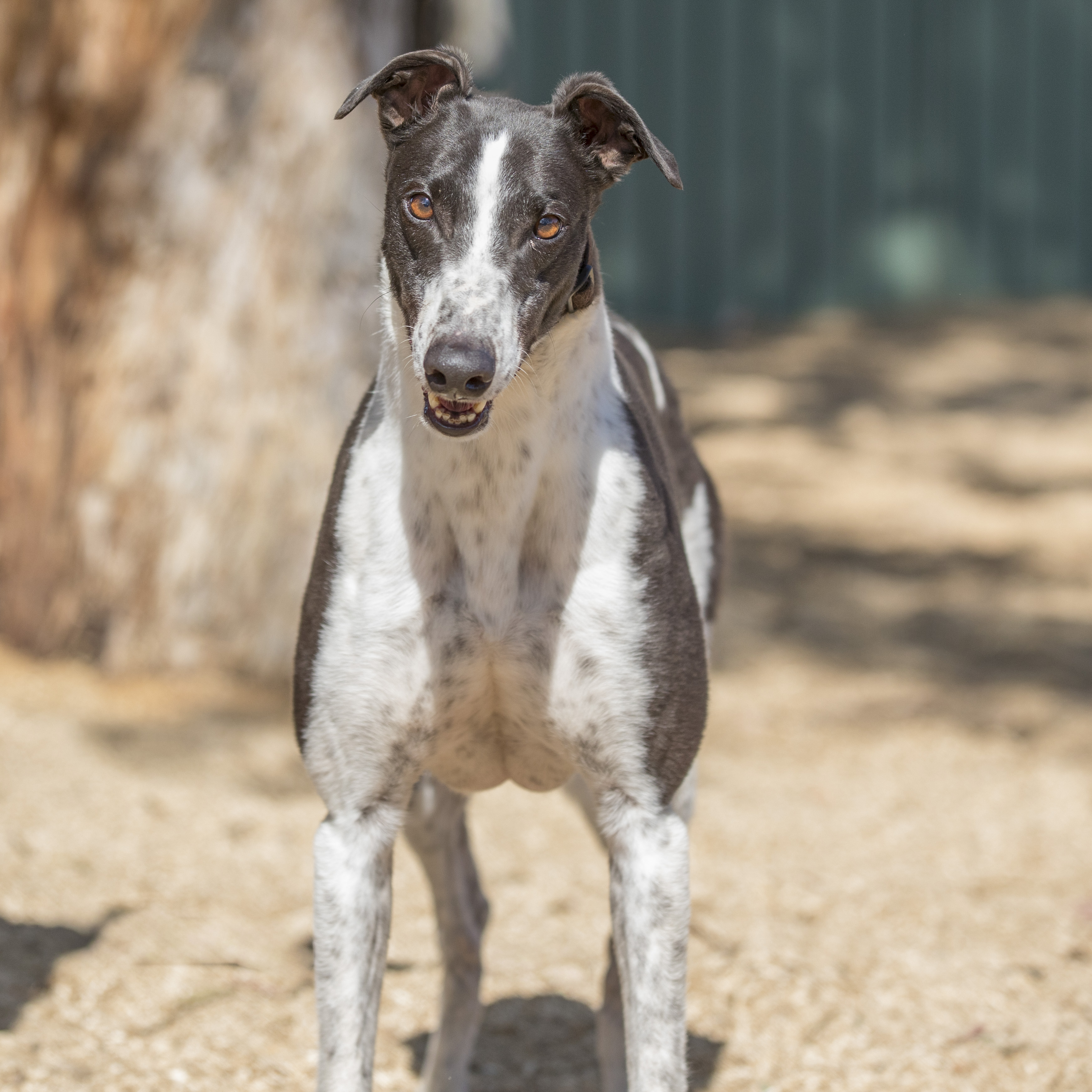
Cowboy
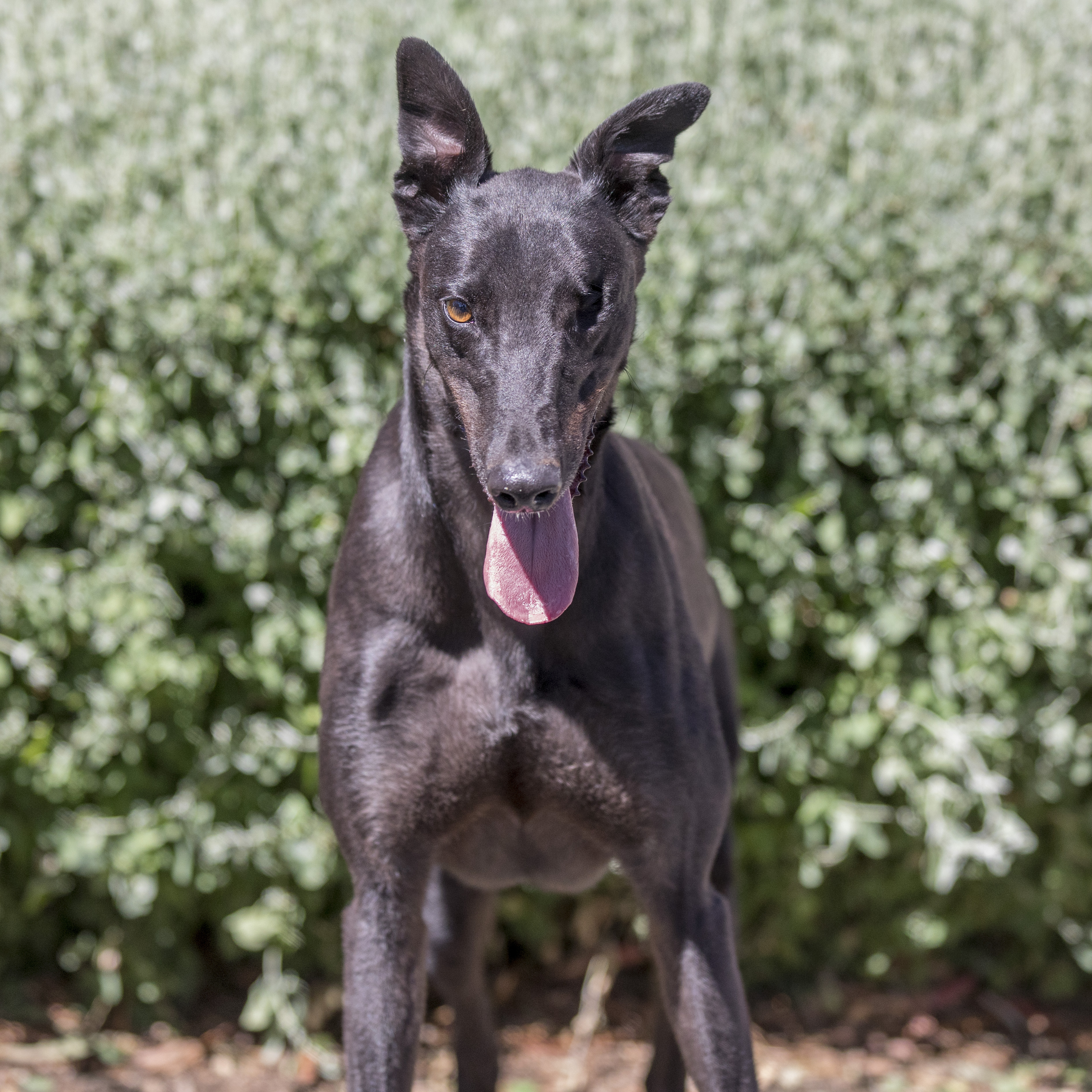
Cotton
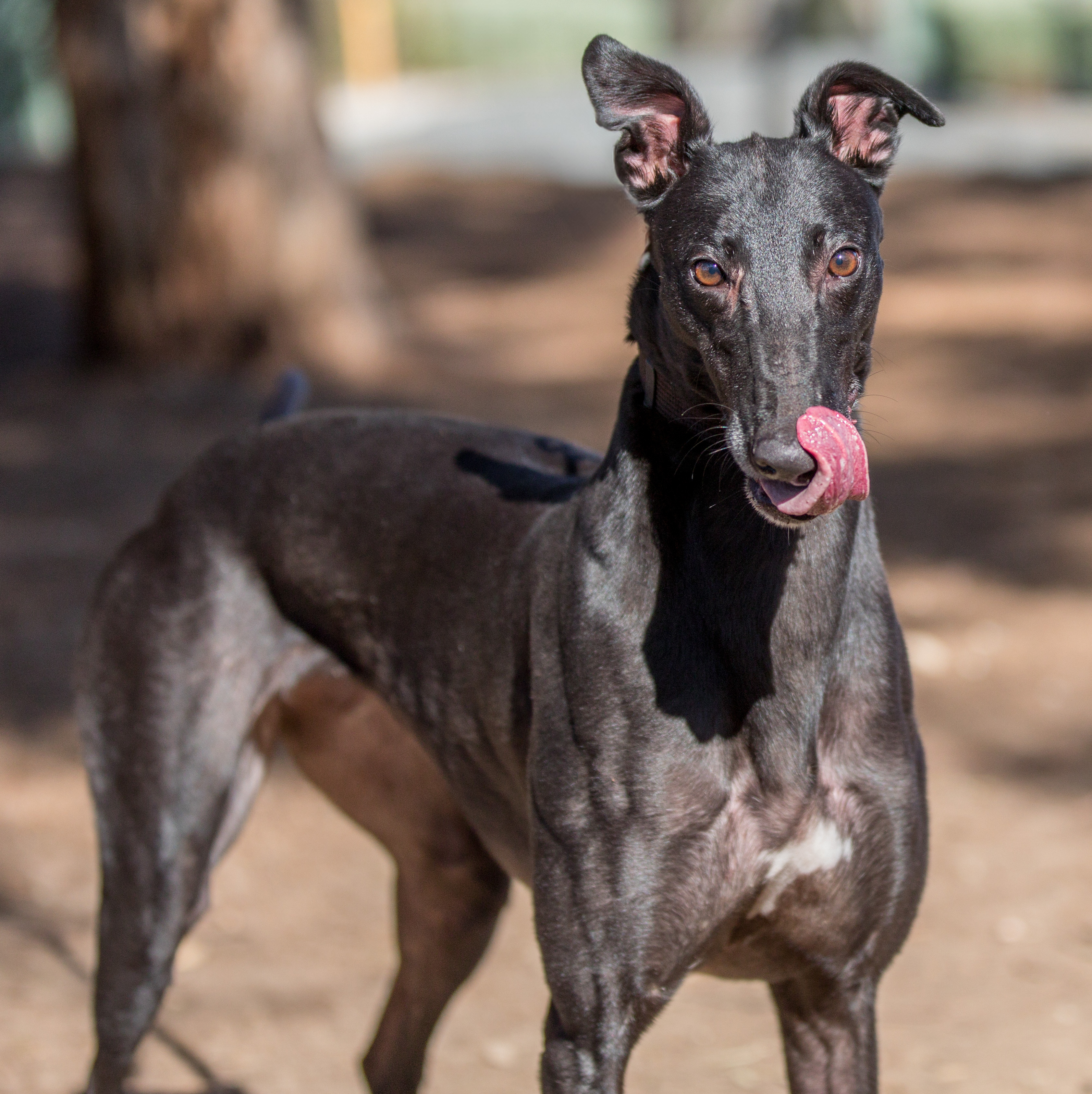
Quinny
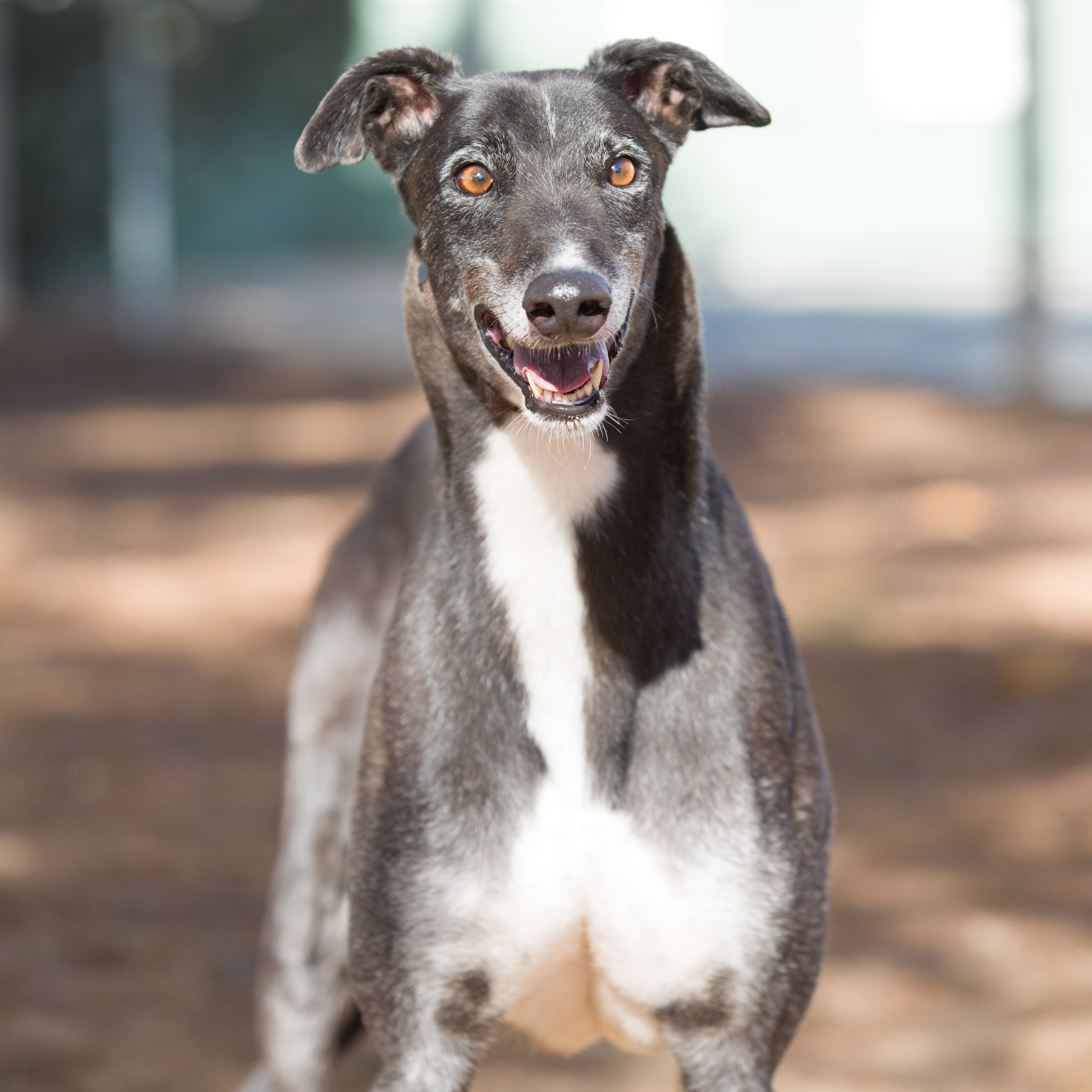
Frank