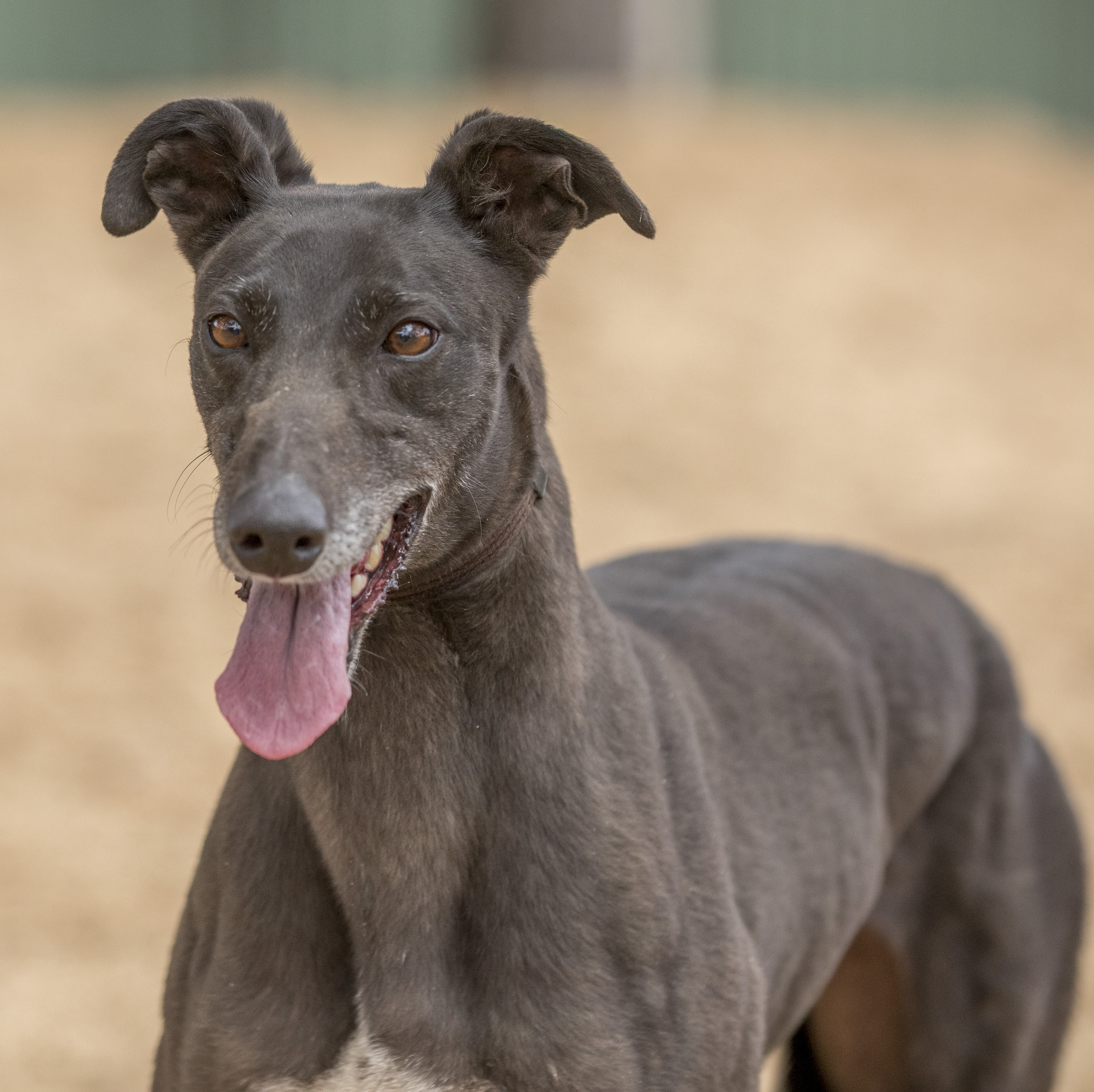
Greyhounds and the cold
Greyhounds have relatively thin skin and very little body fat. This is great for helping them cool down after a run, but it also means that they are susceptible to cold weather.
The need to maintain their vital organs at a fairly constant temperature means that the body has to work harder during the winter to keep warm. This can affect diet and potentially cause injury when exercising.
If the greyhound’s core temperature drops, its body automatically tries to keep the important organs warm by restricting the blood flow to the skin and extremities. You will have experienced cold fingers and hands on a very brisk morning, along with the exposed skin that’s cool to the touch and which turns bluish. This same process happens in greyhounds to try to conserve heat when the outside temperature is low.
If this is not enough to maintain the core temperature, the body will try to generate heat by shivering, which is an involuntary muscle activity. Shivering is an indicator of significant temperature change within the body, and it uses up quite a bit of energy to create the muscle contractions.
Past this point the dog enters into hypothermia (hypo– meaning ‘below’, –thermia meaning ‘temperature’).
For the greyhound, being cold is not only uncomfortable, but it can mean that they lose condition due to the change in their energy requirements. Now they not only have to fuel their normal activity but also have to use energy to create warmth just to function normally on the inside. This may mean they need more calories in their daily diet.
Cold muscles are also more susceptible to injuries, ranging from minor tears to more serious ones.

What can you do?
Make sure that your greyhounds are kept warm when the weather is cold.
For greyhounds that sleep outside, a bed that is well off the cold ground, and making sure that your kennel building is not leaking or subject to draughts.
Make sure that each dog has a clean and dry kennel to sleep in. Winter weather does not make it easy to keep things clean and dry, but wet dogs, wet bedding, and wet kennels can lead to very cold greyhounds.
You might need to put a warm coat or jacket on the dogs, especially in the evenings and overnight. Make sure that coats are regularly inspected for damage, and are not tied on so tight that they are uncomfortable when the greyhound curls up, nor so loose that the dogs are constantly getting tangled in them. All coats and jackets should be regularly cleaned too – male dogs are notorious for peeing on the edges of their coats!
Watch your dog’s weight
It may be that your greyhounds will need more food to maintain their weight in the winter time. Monitoring skin and coat condition and body weight will quickly tell you if something isn’t right. Keeping them warm may not completely stop changes in condition, but it will help.
By paying attention to your greyhounds needs during winter, you will save yourself time and money and avoid injuries and illness.


.png)


Meet our dogs ready for adoption
All greyhounds adopted from GAP are de-sexed, vaccinated, microchipped, wormed and health checked.

Name
0 Years Old
Lorem ipsum dolor sit amet, consectetur adipiscing elit, sed do eiusmod tempor incididunt ut labore et dolore magna aliqua. Ut enim ad minim veniam, quis nostrud exercitation ullamco laboris nisi ut aliquip ex ea commodo consequat. Duis aute irure dolor in reprehenderit in voluptate velit esse cillum dolore eu fugiat nulla.
Name
0 Years Old
Lorem ipsum dolor sit amet, consectetur adipiscing elit, sed do eiusmod tempor incididunt ut labore et dolore magna aliqua. Ut enim ad minim veniam, quis nostrud exercitation ullamco laboris nisi ut aliquip ex ea commodo consequat. Duis aute irure dolor in reprehenderit in voluptate velit esse cillum dolore eu fugiat nulla.
Name
0 Years Old
Lorem ipsum dolor sit amet, consectetur adipiscing elit, sed do eiusmod tempor incididunt ut labore et dolore magna aliqua. Ut enim ad minim veniam, quis nostrud exercitation ullamco laboris nisi ut aliquip ex ea commodo consequat. Duis aute irure dolor in reprehenderit in voluptate velit esse cillum dolore eu fugiat nulla.
Name
0 Years Old
Lorem ipsum dolor sit amet, consectetur adipiscing elit, sed do eiusmod tempor incididunt ut labore et dolore magna aliqua. Ut enim ad minim veniam, quis nostrud exercitation ullamco laboris nisi ut aliquip ex ea commodo consequat. Duis aute irure dolor in reprehenderit in voluptate velit esse cillum dolore eu fugiat nulla.
Name
0 Years Old
Lorem ipsum dolor sit amet, consectetur adipiscing elit, sed do eiusmod tempor incididunt ut labore et dolore magna aliqua. Ut enim ad minim veniam, quis nostrud exercitation ullamco laboris nisi ut aliquip ex ea commodo consequat. Duis aute irure dolor in reprehenderit in voluptate velit esse cillum dolore eu fugiat nulla.
Name
0 Years Old
Lorem ipsum dolor sit amet, consectetur adipiscing elit, sed do eiusmod tempor incididunt ut labore et dolore magna aliqua. Ut enim ad minim veniam, quis nostrud exercitation ullamco laboris nisi ut aliquip ex ea commodo consequat. Duis aute irure dolor in reprehenderit in voluptate velit esse cillum dolore eu fugiat nulla.
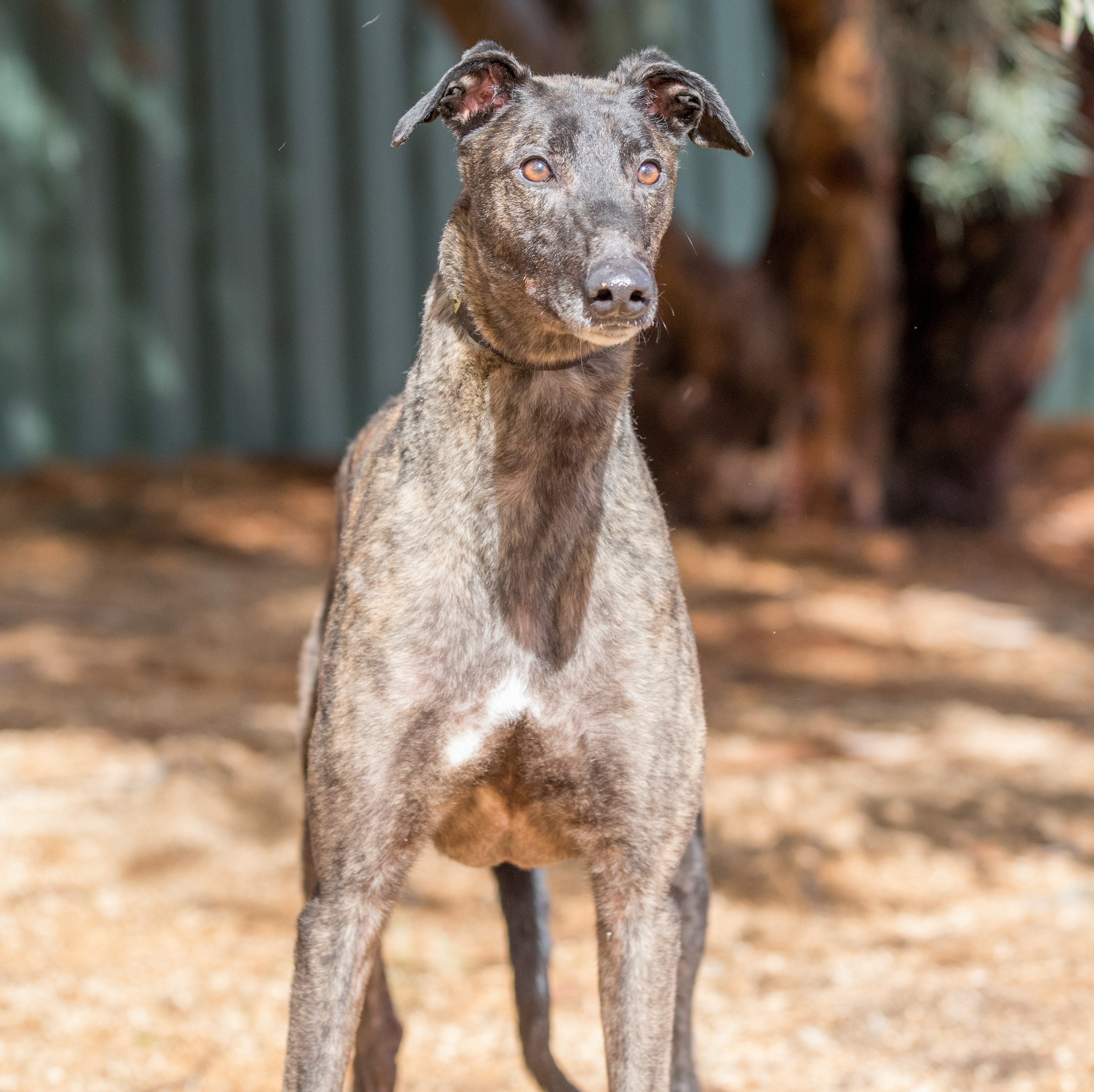
Bear

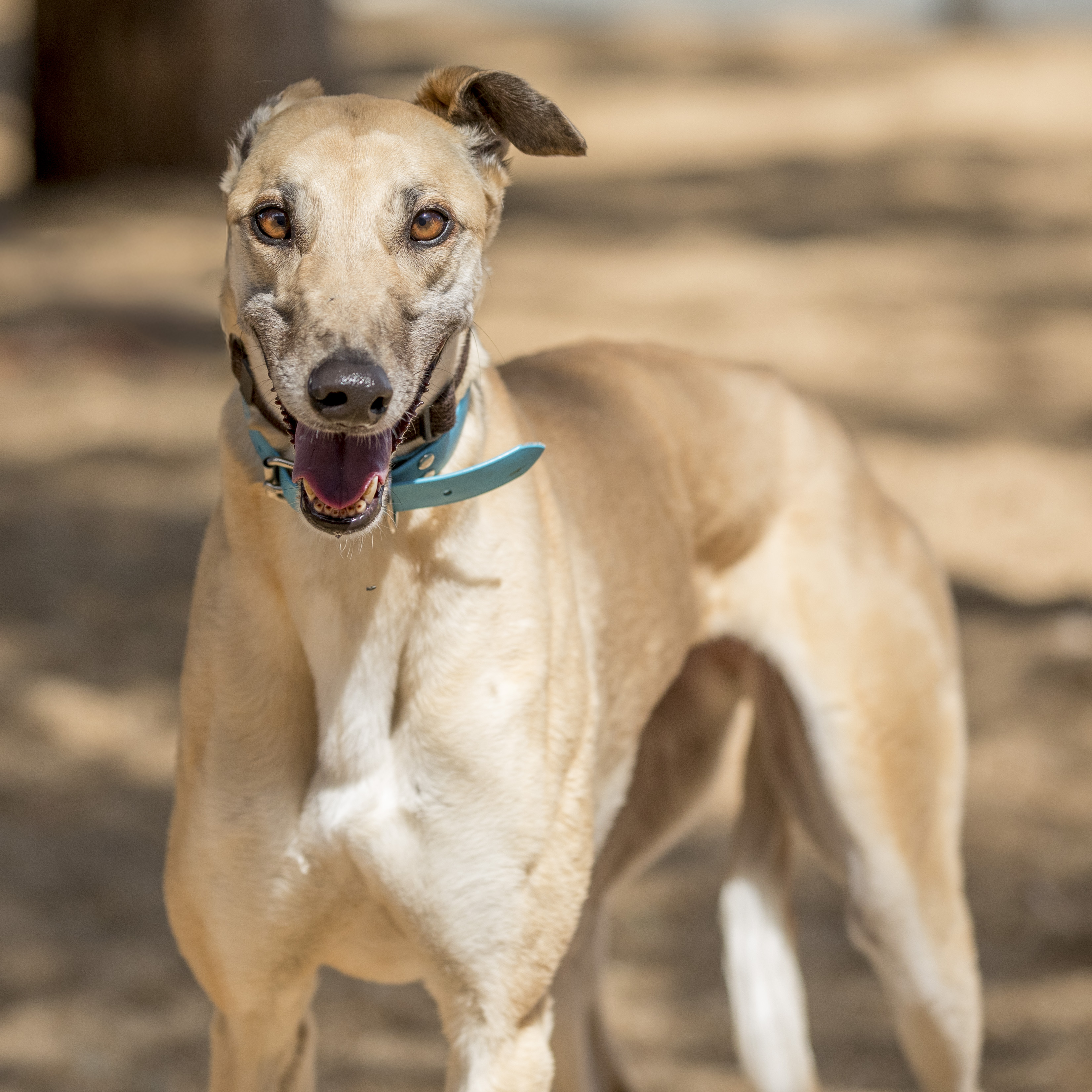
Xandi ARP

Sweet Xandi is a pretty and gentle soul who is looking for a patient, understanding home where she can build her confidence at her own pace. Having previously lived inside and even enjoyed sleeping on her owner's bed, she is familiar with home life and appreciates the comfort and security of being close to her people. Quiet, sweet and personable, Xandi is easy to handle and forms lovely connections through soft eye contact and her affectionate nature. While she can be timid and a little anxious in new situations, she always tries her best and responds beautifully to kindness and reassurance.
As an introverted and submissive girl, Xandi will likely take a few days to come out of her shell in a new environment, but once she feels safe, her loving personality begins to shine through. She would thrive with an owner who can give her the time, patience and encouragement she needs to settle in and feel secure. Xandi may suit living with or without a canine companion of any size and could be well suited to a home with children aged 15 years and older who can respect her gentle and sensitive nature.
If you're interested in adopting this dog, we'll arrange for them to come into GAP specifically for you to meet and complete the adoption process. Since the dog is being brought into the program based on your interest, we ask that applicants be reasonably confident this is the greyhound they'd like to welcome into their family. Unlike our standard adoption process, you won't be able to meet multiple dogs at the same time however our team will share lots of information about this greyhound to help you determine if they're the perfect match for your family.
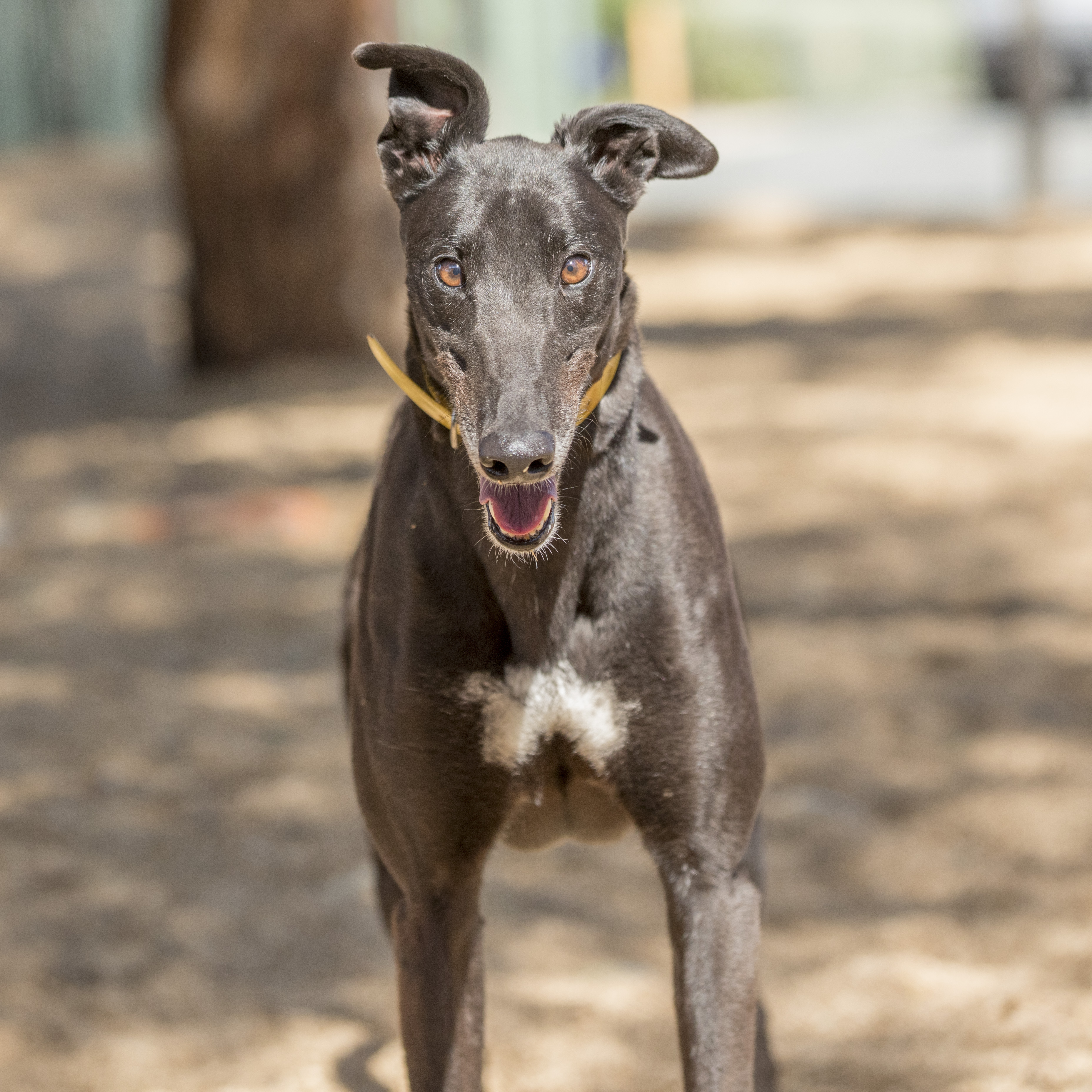
Eddie ARP
Lovely black Eddie is a calm and easy-going gentleman who takes everything in his stride. Quiet, sweet and laidback, he has a friendly and confident nature that makes him a pleasure to be around. Having previously lived inside a home, Eddie is familiar with household life and is ready to settle into his next chapter with ease. He enjoys spending time with his people and has a personable charm that helps him make friends wherever he goes. With his gentle temperament and relaxed outlook, Eddie would make a wonderful companion for a variety of homes. Whether joining you for a leisurely stroll or simply relaxing by your side, he is happiest when sharing life's everyday moments with those he loves. Eddie may suit living with or without a canine friend of a similar size and could be a lovely addition to a family with children aged 5 years and older.
If you're interested in adopting this dog, we'll arrange for them to come into GAP specifically for you to meet and complete the adoption process. Since the dog is being brought into the program based on your interest, we ask that applicants be reasonably confident this is the greyhound they'd like to welcome into their family. Unlike our standard adoption process, you won't be able to meet multiple dogs at the same time however our team will share lots of information about this greyhound to help you determine if they're the perfect match for your family.
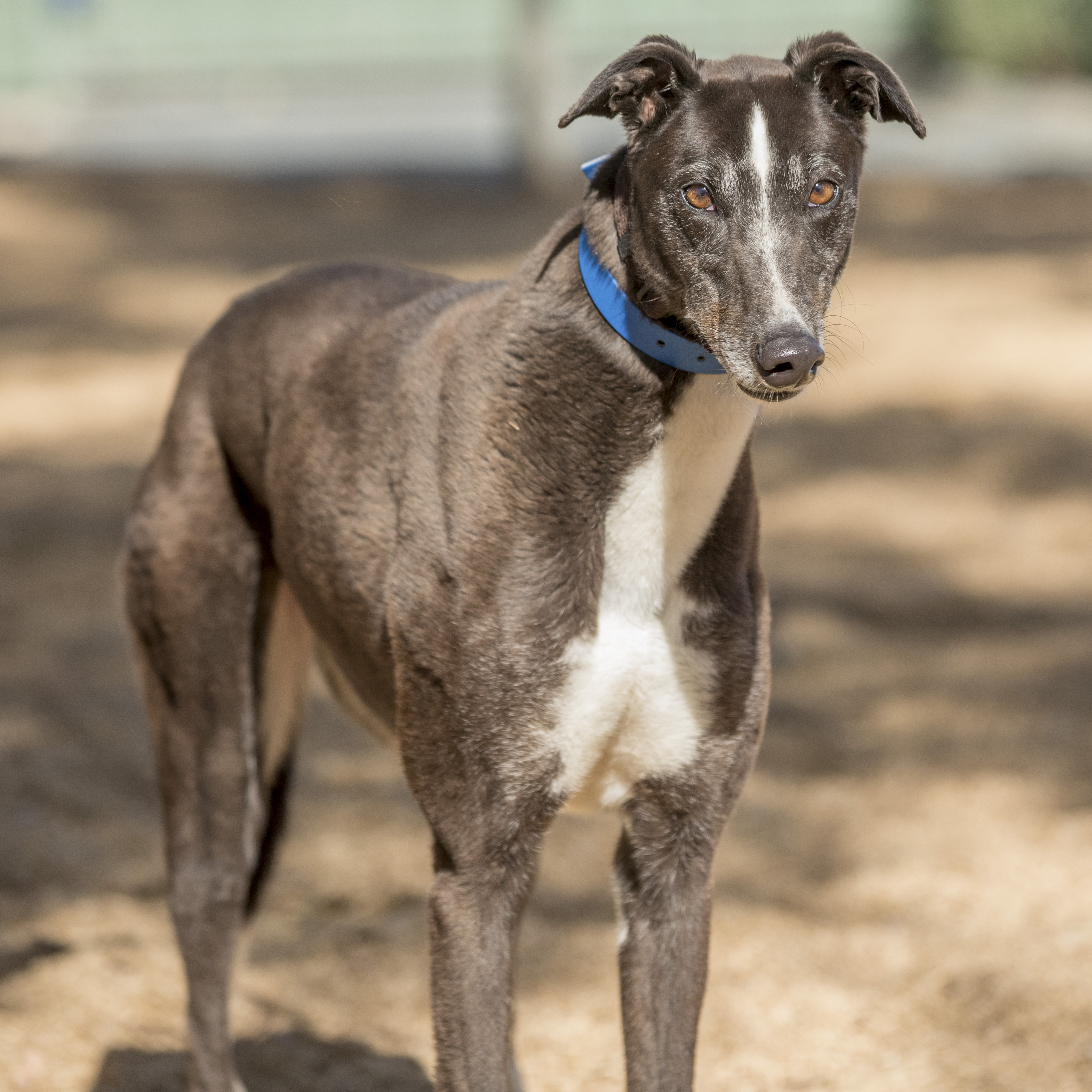
Intex ARP
The lovely Intex is a delightful girl with striking white markings and an equally beautiful personality to match. Social, friendly and confident, she enjoys meeting new people and charms everyone she encounters with her affectionate and outgoing nature. Intex loves being involved in whatever is happening around her and is always ready to share a cuddle, leaning into family life with enthusiasm and grace. With her personable temperament and easy-going outlook, Intex is sure to make a wonderful companion for a variety of homes. Whether she's spending time with her people, making new friends, or simply relaxing by your side, this sweet girl is happiest when she is part of the action. Intex may suit living with or without a canine brother of a similar size and could be a lovely addition to a family with children aged 5 years and older.
If you're interested in adopting this dog, we'll arrange for them to come into GAP specifically for you to meet and complete the adoption process. Since the dog is being brought into the program based on your interest, we ask that applicants be reasonably confident this is the greyhound they'd like to welcome into their family. Unlike our standard adoption process, you won't be able to meet multiple dogs at the same time however our team will share lots of information about this greyhound to help you determine if they're the perfect match for your family.
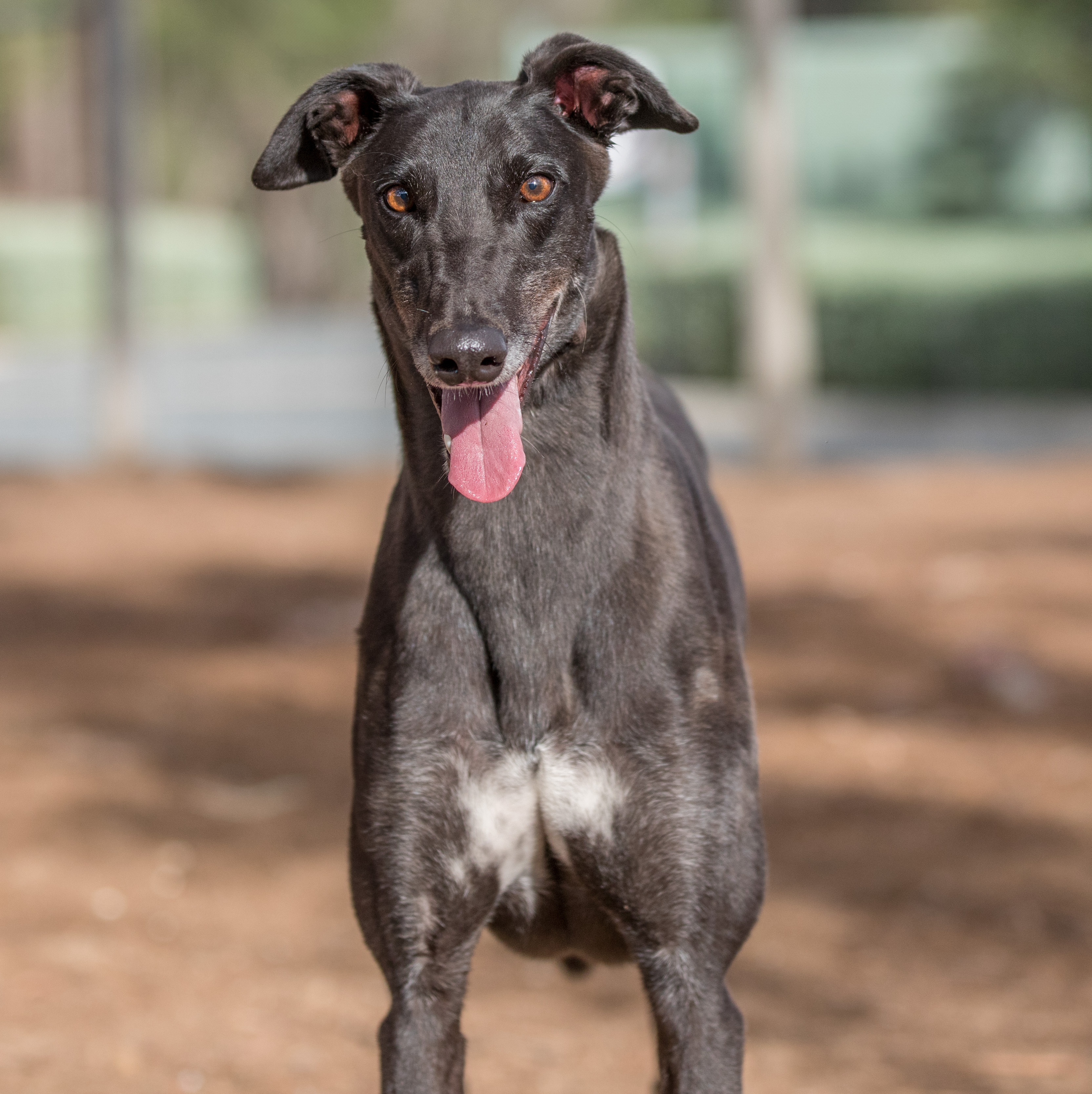
Moro
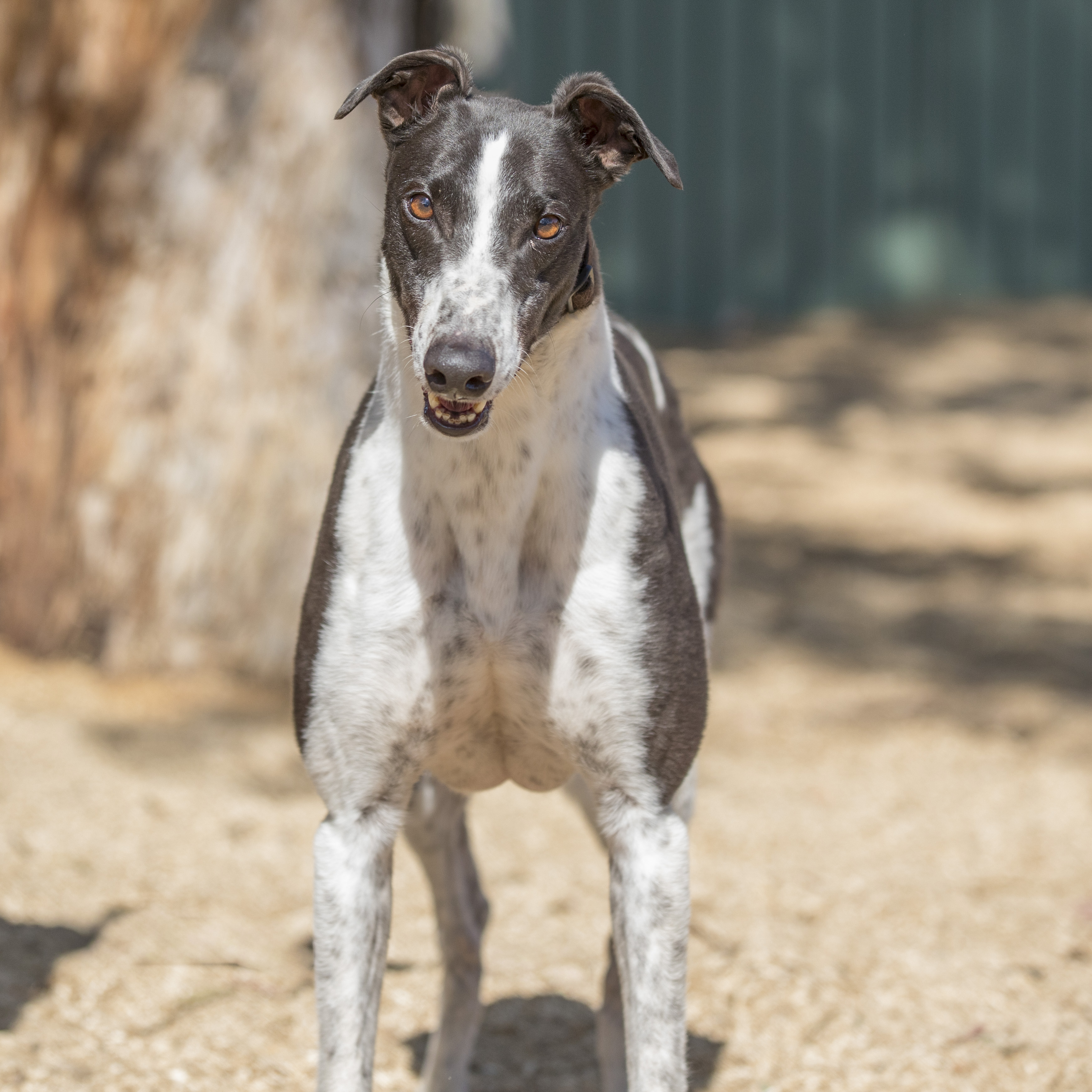
Cowboy
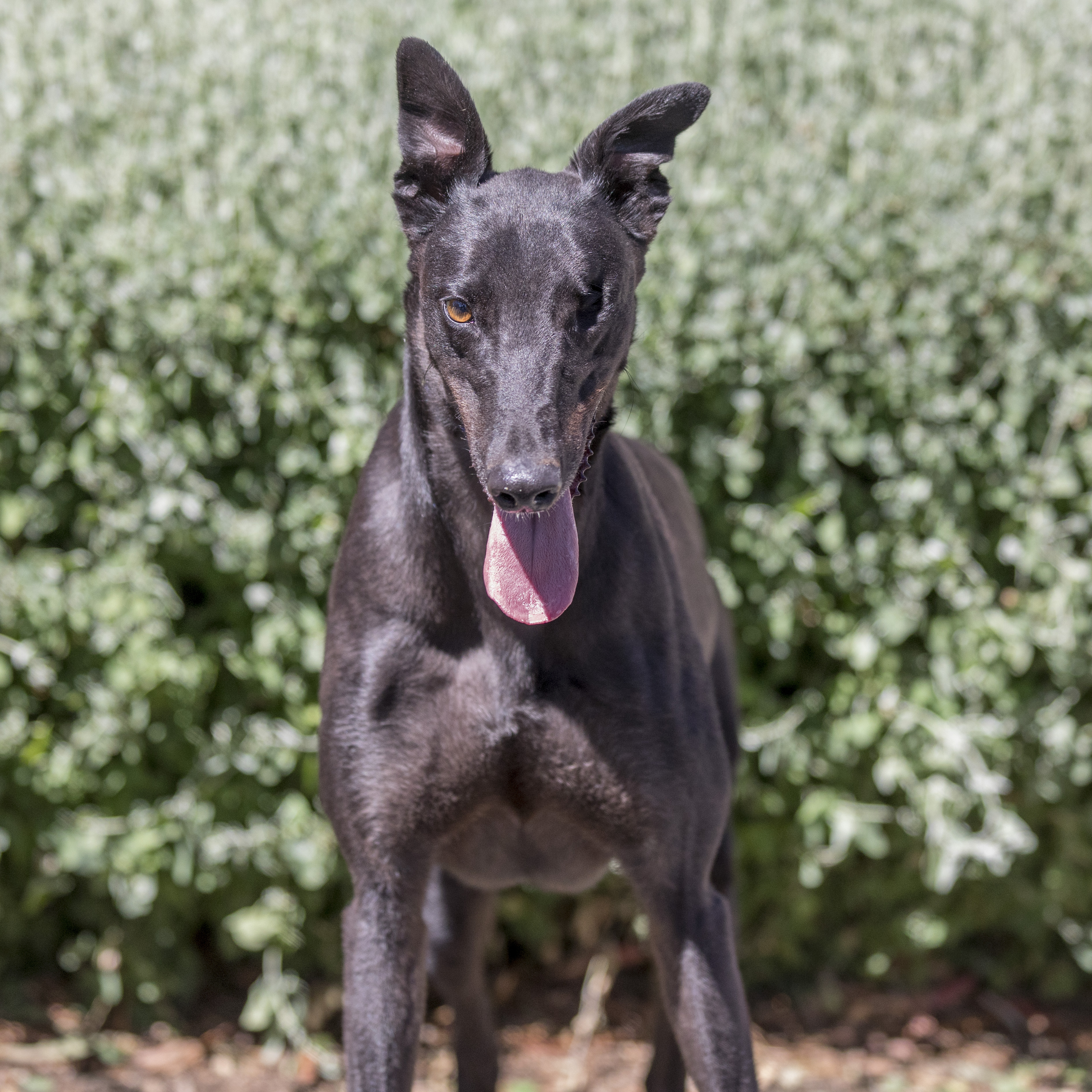
Cotton
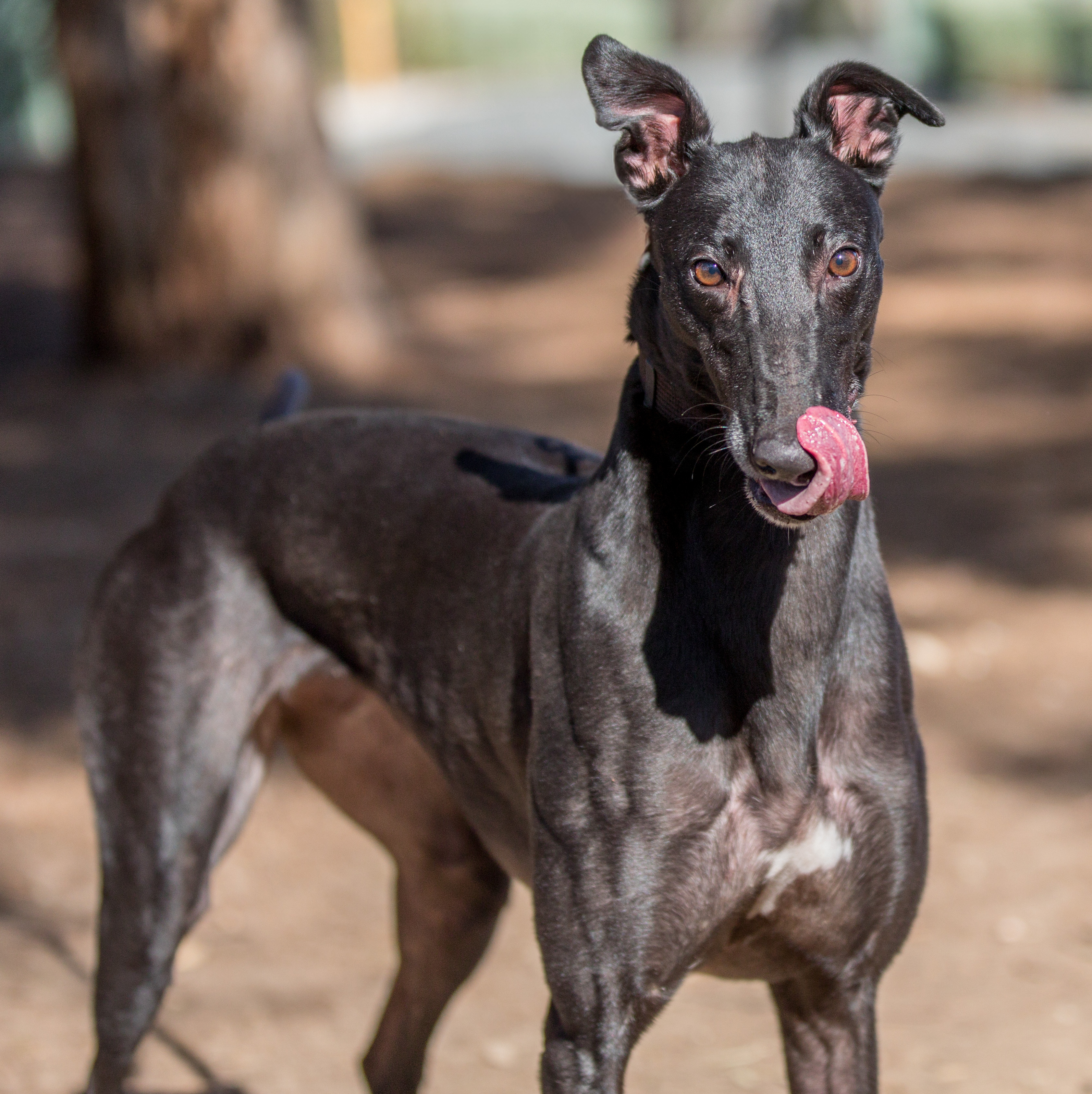
Quinny
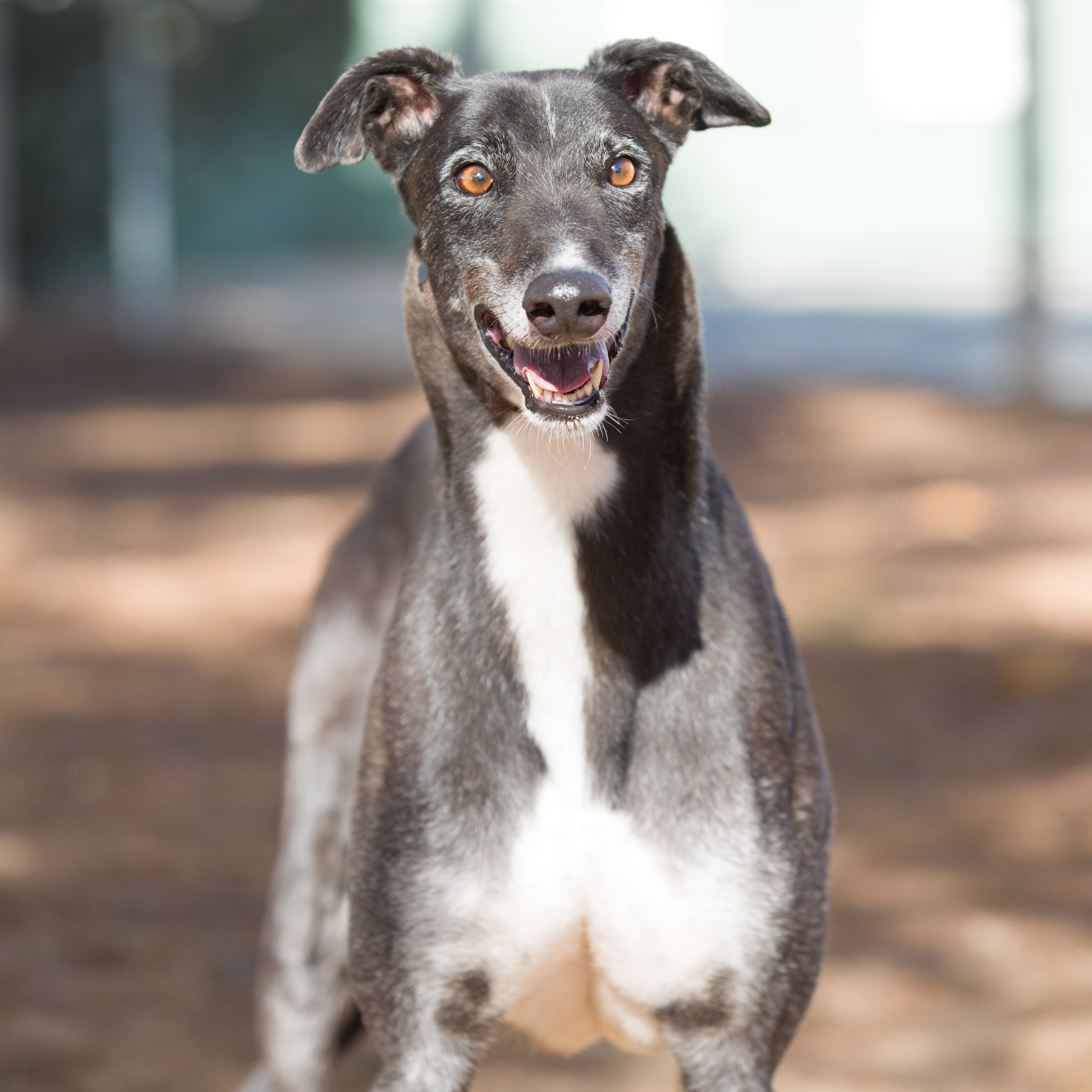
Frank