Foods to Avoid
Greyhounds are curious, opportunistic eaters who are often tempted by food they shouldn't have. Some everyday human foods are toxic to all dogs, and greyhounds can face additional risks due to their unique physiology.
Greyhounds are curious, opportunistic eaters who are often tempted by food they shouldn’t have. Some everyday human foods are toxic to all dogs and greyhounds can face additional risks due to their lean build and unique metabolism. This guide covers the key foods to keep well out of reach.
If you suspect your greyhound has eaten anything on this list, contact your vet immediately, even if they seem fine. Some toxins take hours or even days before symptoms appear.
Grapes and raisins
Grapes and raisins are extremely dangerous to dogs and must never be given to your greyhound. Even small amounts can trigger sudden kidney failure. The toxic substance responsible has not been fully identified, which means there is no safe amount. Raisins are found in many common foods, cakes, biscuits, cereals, and trail mixes so always check ingredient labels before sharing any snack with your dog.
Onions, garlic, and the allium family
The entire allium family of onions, garlic, leeks, chives, and shallots is toxic to dogs and is considered particularly dangerous for greyhounds. These foods damage red blood cells and can cause haemolytic anemia, where the body destroys its own blood cells faster than it can replace them. All forms are dangerous: raw, cooked, dried, and powdered. Symptoms may not appear for several days after ingestion. Be especially careful with soups, stocks, curries, and processed meats that may contain onion or garlic powder.
Chocolate
Chocolate contains a compound called theobromine that dogs cannot metabolise as efficiently as humans. This can cause vomiting, diarrhoea, tremors, an irregular heartbeat, seizures, and in severe cases, death. Dark chocolate and baking chocolate carry the highest concentrations of theobromine, but milk chocolate and white chocolate are also harmful. If your greyhound has a sweet tooth, carob is a safe and dog-friendly alternative.
Cooked bones
While it may seem natural to give a dog a bone, cooked bones are dangerous. The cooking process makes bones brittle, causing them to splinter easily. These splinters can cause internal injuries to the mouth, throat, oesophagus, stomach, and intestines sometimes requiring emergency surgery. If you wish to give your greyhound a bone, opt for large raw bones and always supervise them closely. Never leave a dog alone with any bone.
Raw meat and raw fish
Raw meat and raw fish can harbour dangerous bacteria including Salmonella and E. coli, as well as parasites. Some raw fish particularly salmon, trout, and sturgeon can carry a parasite that, if left untreated, can be fatal within a few weeks. Many ex-racing greyhounds were fed raw meat diets during their racing careers, but this is not recommended for pet greyhounds at home without specific veterinary guidance. Always freeze meat before feeding, or cook meat and fish thoroughly before offering any to your greyhound.
Xylitol
Xylitol is an artificial sweetener that is highly toxic to dogs. It is found in a surprising number of everyday products including sugar-free chewing gum, some peanut butters, lollies, cereals, toothpaste, and mouthwash. Even a very small amount can cause a dangerous drop in blood sugar (hypoglycaemia) and lead to liver failure. Always read ingredient labels carefully if a product is labelled ‘sugar-free’, check whether it contains xylitol before allowing your dog anywhere near it.
Human junk food, fatty foods, and sweets
Fatty, salty, and sugary human foods are not suitable for greyhounds. High-fat foods can cause pancreatitis, a painful and potentially life-threatening inflammation of the pancreas. Excess salt can lead to sodium poisoning, causing excessive thirst, vomiting, and in severe cases, seizures. Too much sugar promotes fast weight gain, which is particularly problematic for greyhounds whose lean frames and slender joints are not designed to carry extra weight.
Other foods to be aware of
The following foods also pose risks and should be avoided: macadamia nuts (can cause muscle weakness, tremors, and hyperthermia); avocado (all parts of the plant contain persin, which is toxic to dogs); caffeine in any form including coffee, tea, and energy drinks; alcohol (toxic even in very small amounts); and raw potato (contains solanine, which can cause heart and breathing problems). Fruit seeds and pits such as those from peaches, plums, and apples can also contain cyanide and should never be given to dogs.
A note on greyhound physiology
Greyhounds have very low body fat and a unique liver enzyme profile compared to other dog breeds. This means they can process certain substances differently and may be more sensitive to some toxins and medications. It is always worth informing your vet that you own a greyhound before any procedure or treatment, as this can affect drug choices and dosages.
What to do in an emergency
If you believe your greyhound has consumed something toxic, act immediately, do not wait for symptoms to develop. Contact your vet or the nearest emergency animal hospital straight away. Where possible, make note of what was eaten, how much, and when. Take the packaging with you if you can. Do not attempt to induce vomiting at home unless specifically directed to do so by a veterinarian.


.png)


Meet our dogs ready for adoption
All greyhounds adopted from GAP are de-sexed, vaccinated, microchipped, wormed and health checked.

Name
0 Years Old
Lorem ipsum dolor sit amet, consectetur adipiscing elit, sed do eiusmod tempor incididunt ut labore et dolore magna aliqua. Ut enim ad minim veniam, quis nostrud exercitation ullamco laboris nisi ut aliquip ex ea commodo consequat. Duis aute irure dolor in reprehenderit in voluptate velit esse cillum dolore eu fugiat nulla.
Name
0 Years Old
Lorem ipsum dolor sit amet, consectetur adipiscing elit, sed do eiusmod tempor incididunt ut labore et dolore magna aliqua. Ut enim ad minim veniam, quis nostrud exercitation ullamco laboris nisi ut aliquip ex ea commodo consequat. Duis aute irure dolor in reprehenderit in voluptate velit esse cillum dolore eu fugiat nulla.
Name
0 Years Old
Lorem ipsum dolor sit amet, consectetur adipiscing elit, sed do eiusmod tempor incididunt ut labore et dolore magna aliqua. Ut enim ad minim veniam, quis nostrud exercitation ullamco laboris nisi ut aliquip ex ea commodo consequat. Duis aute irure dolor in reprehenderit in voluptate velit esse cillum dolore eu fugiat nulla.
Name
0 Years Old
Lorem ipsum dolor sit amet, consectetur adipiscing elit, sed do eiusmod tempor incididunt ut labore et dolore magna aliqua. Ut enim ad minim veniam, quis nostrud exercitation ullamco laboris nisi ut aliquip ex ea commodo consequat. Duis aute irure dolor in reprehenderit in voluptate velit esse cillum dolore eu fugiat nulla.
Name
0 Years Old
Lorem ipsum dolor sit amet, consectetur adipiscing elit, sed do eiusmod tempor incididunt ut labore et dolore magna aliqua. Ut enim ad minim veniam, quis nostrud exercitation ullamco laboris nisi ut aliquip ex ea commodo consequat. Duis aute irure dolor in reprehenderit in voluptate velit esse cillum dolore eu fugiat nulla.
Name
0 Years Old
Lorem ipsum dolor sit amet, consectetur adipiscing elit, sed do eiusmod tempor incididunt ut labore et dolore magna aliqua. Ut enim ad minim veniam, quis nostrud exercitation ullamco laboris nisi ut aliquip ex ea commodo consequat. Duis aute irure dolor in reprehenderit in voluptate velit esse cillum dolore eu fugiat nulla.
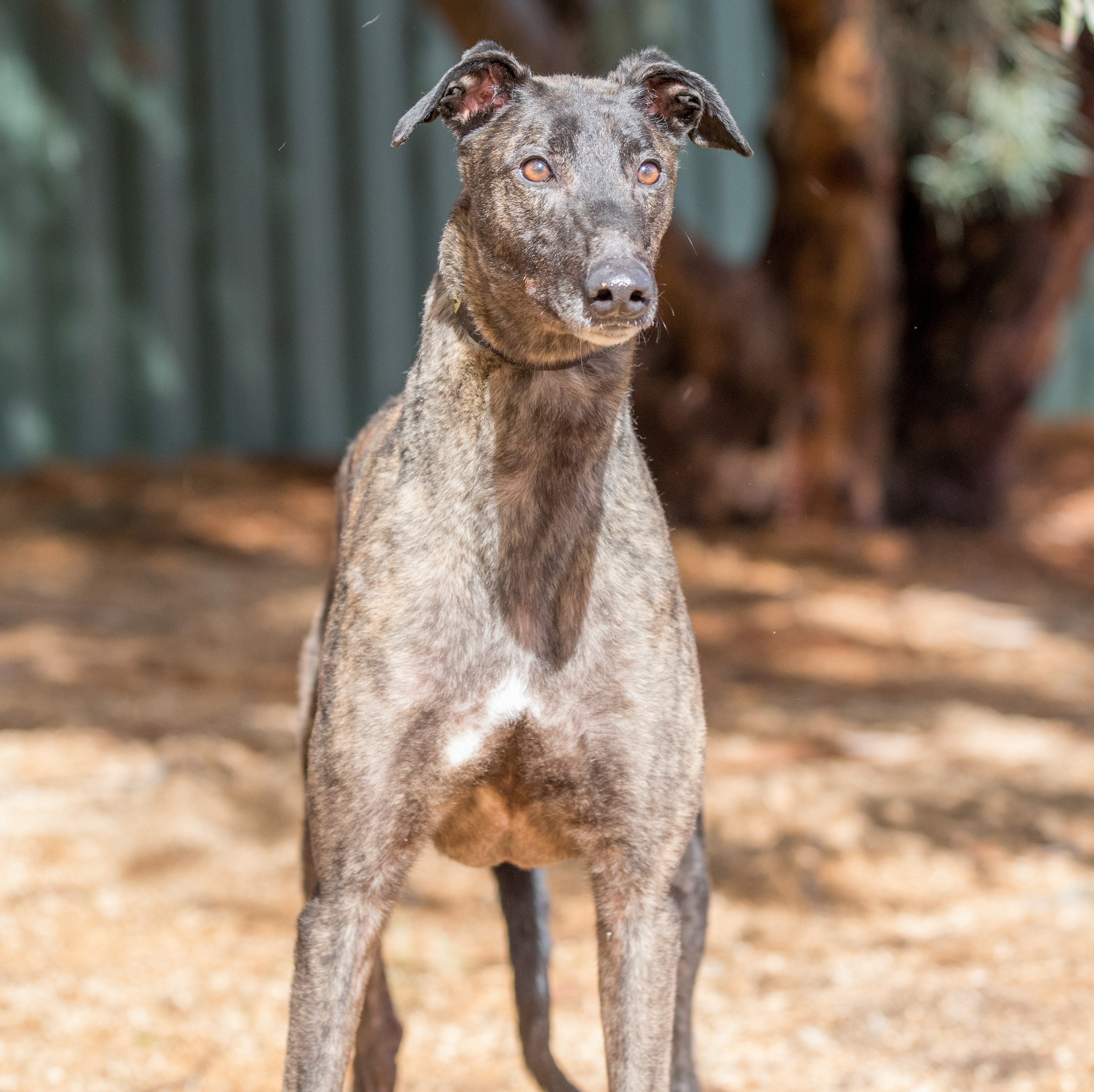
Bear

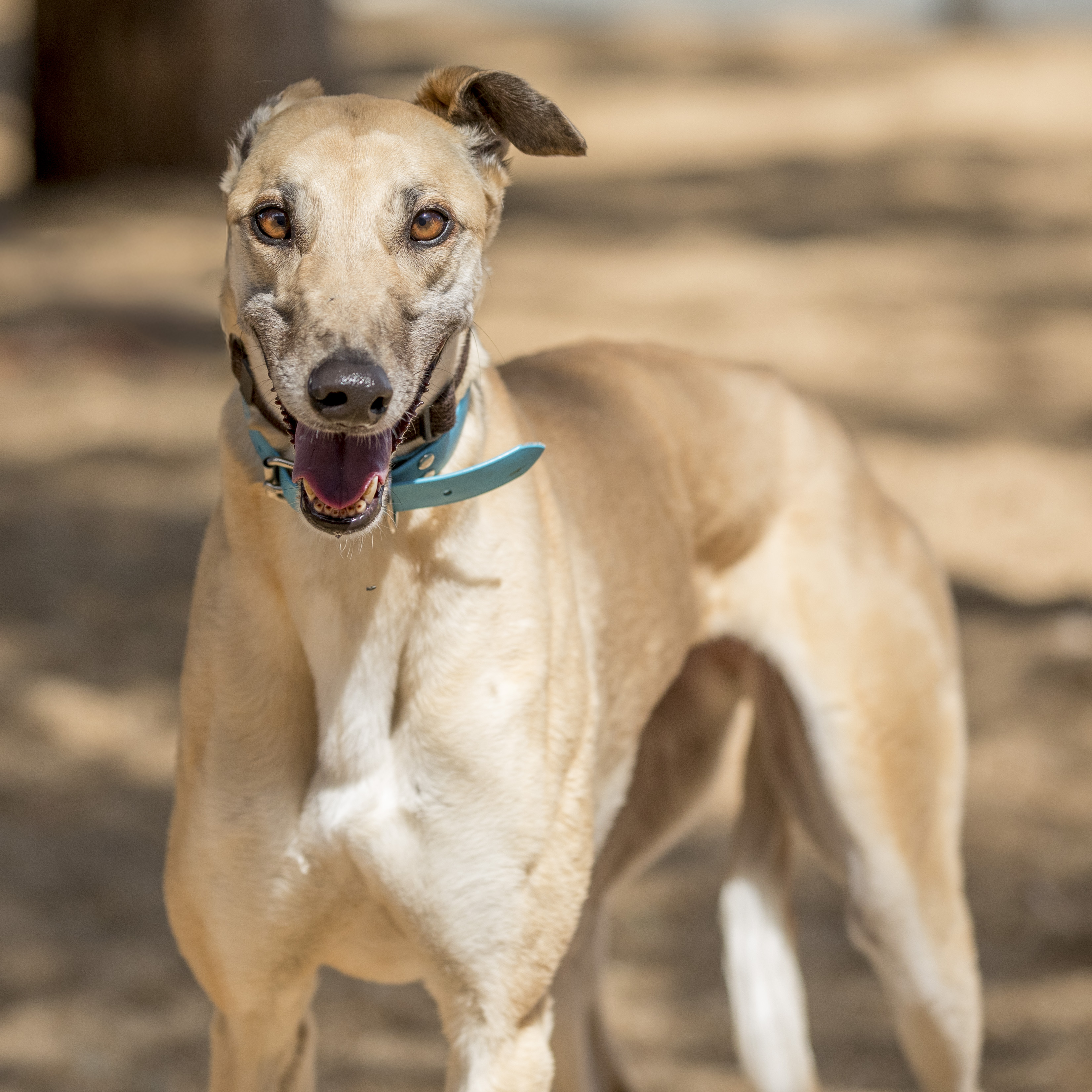
Xandi ARP

Sweet Xandi is a pretty and gentle soul who is looking for a patient, understanding home where she can build her confidence at her own pace. Having previously lived inside and even enjoyed sleeping on her owner's bed, she is familiar with home life and appreciates the comfort and security of being close to her people. Quiet, sweet and personable, Xandi is easy to handle and forms lovely connections through soft eye contact and her affectionate nature. While she can be timid and a little anxious in new situations, she always tries her best and responds beautifully to kindness and reassurance.
As an introverted and submissive girl, Xandi will likely take a few days to come out of her shell in a new environment, but once she feels safe, her loving personality begins to shine through. She would thrive with an owner who can give her the time, patience and encouragement she needs to settle in and feel secure. Xandi may suit living with or without a canine companion of any size and could be well suited to a home with children aged 15 years and older who can respect her gentle and sensitive nature.
If you're interested in adopting this dog, we'll arrange for them to come into GAP specifically for you to meet and complete the adoption process. Since the dog is being brought into the program based on your interest, we ask that applicants be reasonably confident this is the greyhound they'd like to welcome into their family. Unlike our standard adoption process, you won't be able to meet multiple dogs at the same time however our team will share lots of information about this greyhound to help you determine if they're the perfect match for your family.
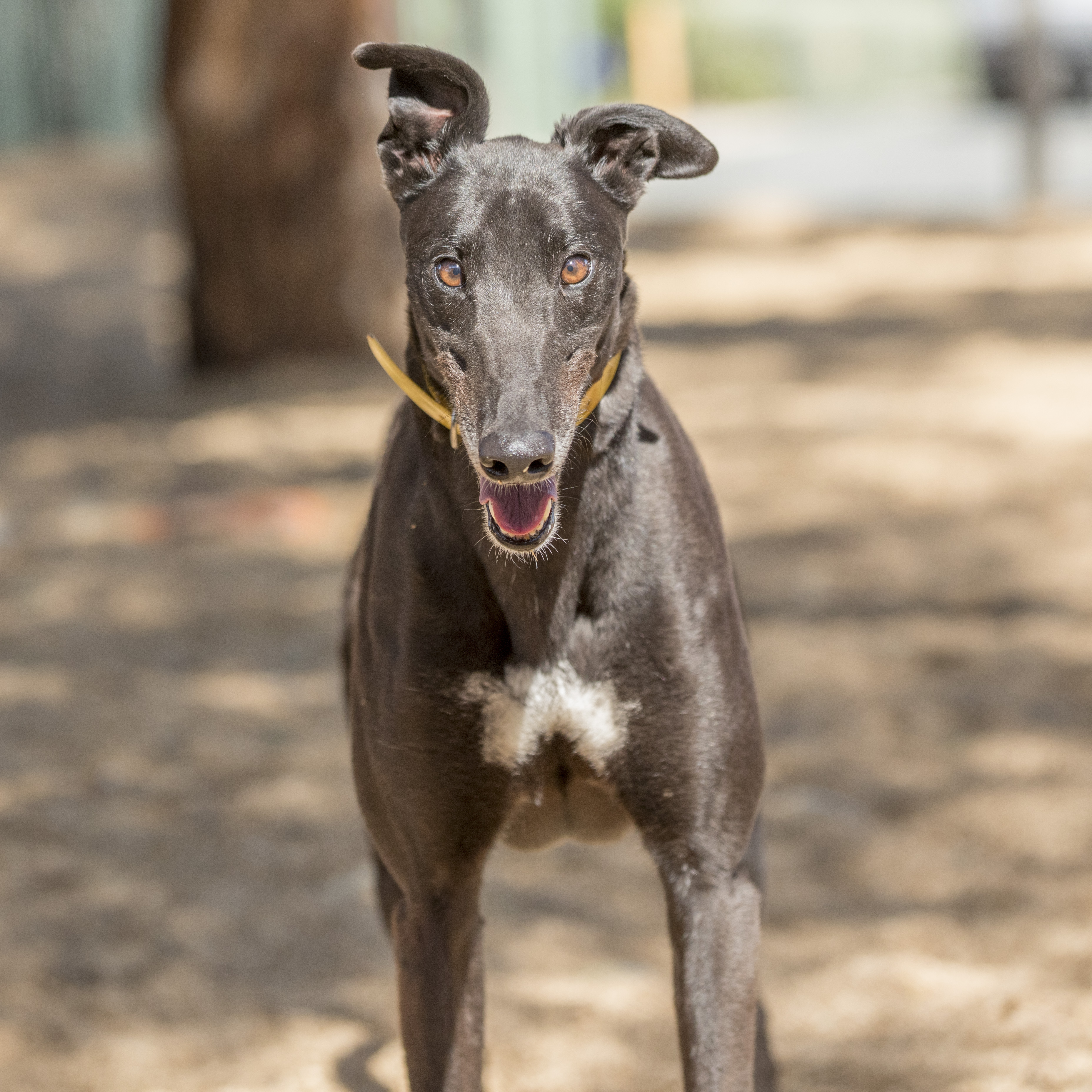
Eddie ARP
Lovely black Eddie is a calm and easy-going gentleman who takes everything in his stride. Quiet, sweet and laidback, he has a friendly and confident nature that makes him a pleasure to be around. Having previously lived inside a home, Eddie is familiar with household life and is ready to settle into his next chapter with ease. He enjoys spending time with his people and has a personable charm that helps him make friends wherever he goes. With his gentle temperament and relaxed outlook, Eddie would make a wonderful companion for a variety of homes. Whether joining you for a leisurely stroll or simply relaxing by your side, he is happiest when sharing life's everyday moments with those he loves. Eddie may suit living with or without a canine friend of a similar size and could be a lovely addition to a family with children aged 5 years and older.
If you're interested in adopting this dog, we'll arrange for them to come into GAP specifically for you to meet and complete the adoption process. Since the dog is being brought into the program based on your interest, we ask that applicants be reasonably confident this is the greyhound they'd like to welcome into their family. Unlike our standard adoption process, you won't be able to meet multiple dogs at the same time however our team will share lots of information about this greyhound to help you determine if they're the perfect match for your family.
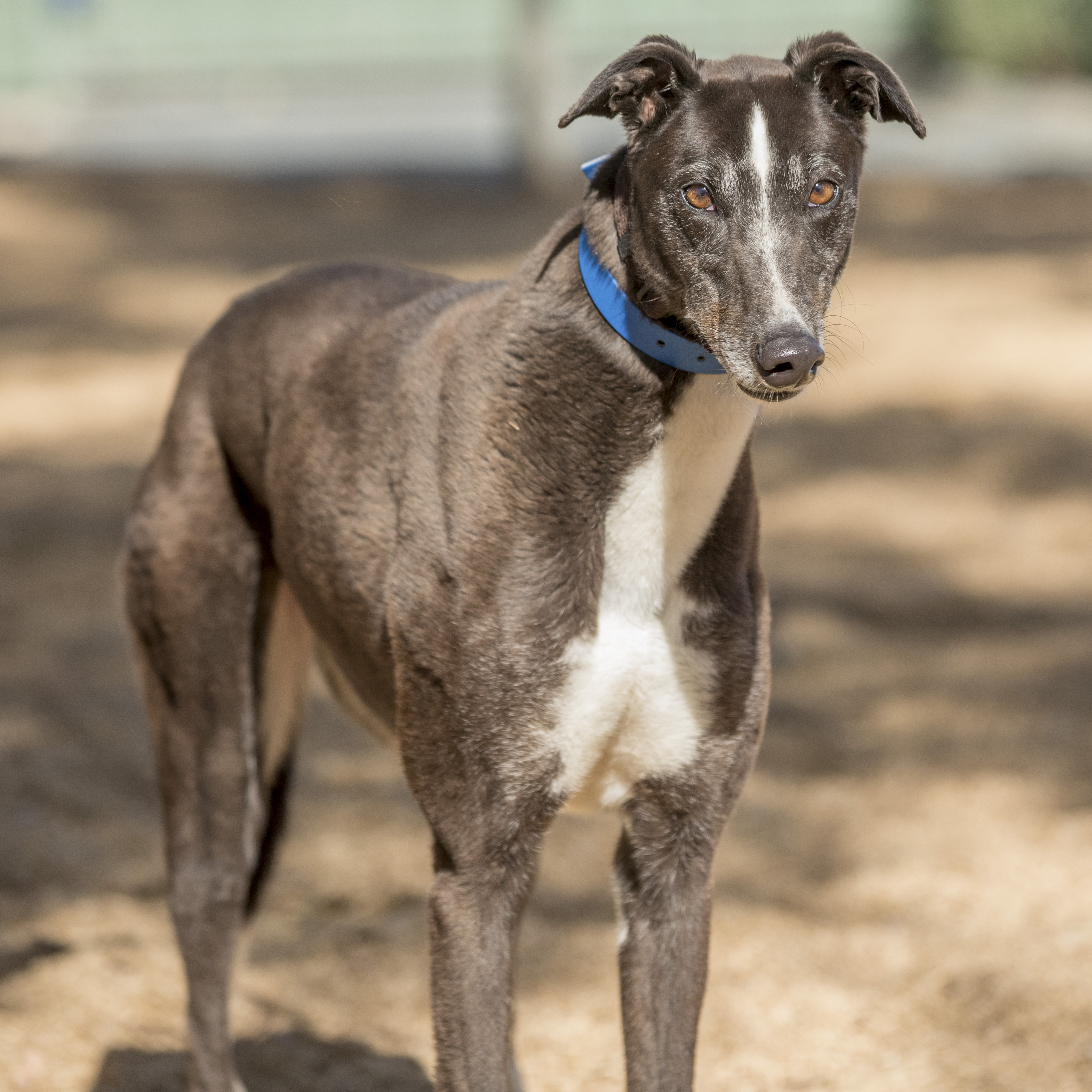
Intex ARP
The lovely Intex is a delightful girl with striking white markings and an equally beautiful personality to match. Social, friendly and confident, she enjoys meeting new people and charms everyone she encounters with her affectionate and outgoing nature. Intex loves being involved in whatever is happening around her and is always ready to share a cuddle, leaning into family life with enthusiasm and grace. With her personable temperament and easy-going outlook, Intex is sure to make a wonderful companion for a variety of homes. Whether she's spending time with her people, making new friends, or simply relaxing by your side, this sweet girl is happiest when she is part of the action. Intex may suit living with or without a canine brother of a similar size and could be a lovely addition to a family with children aged 5 years and older.
If you're interested in adopting this dog, we'll arrange for them to come into GAP specifically for you to meet and complete the adoption process. Since the dog is being brought into the program based on your interest, we ask that applicants be reasonably confident this is the greyhound they'd like to welcome into their family. Unlike our standard adoption process, you won't be able to meet multiple dogs at the same time however our team will share lots of information about this greyhound to help you determine if they're the perfect match for your family.
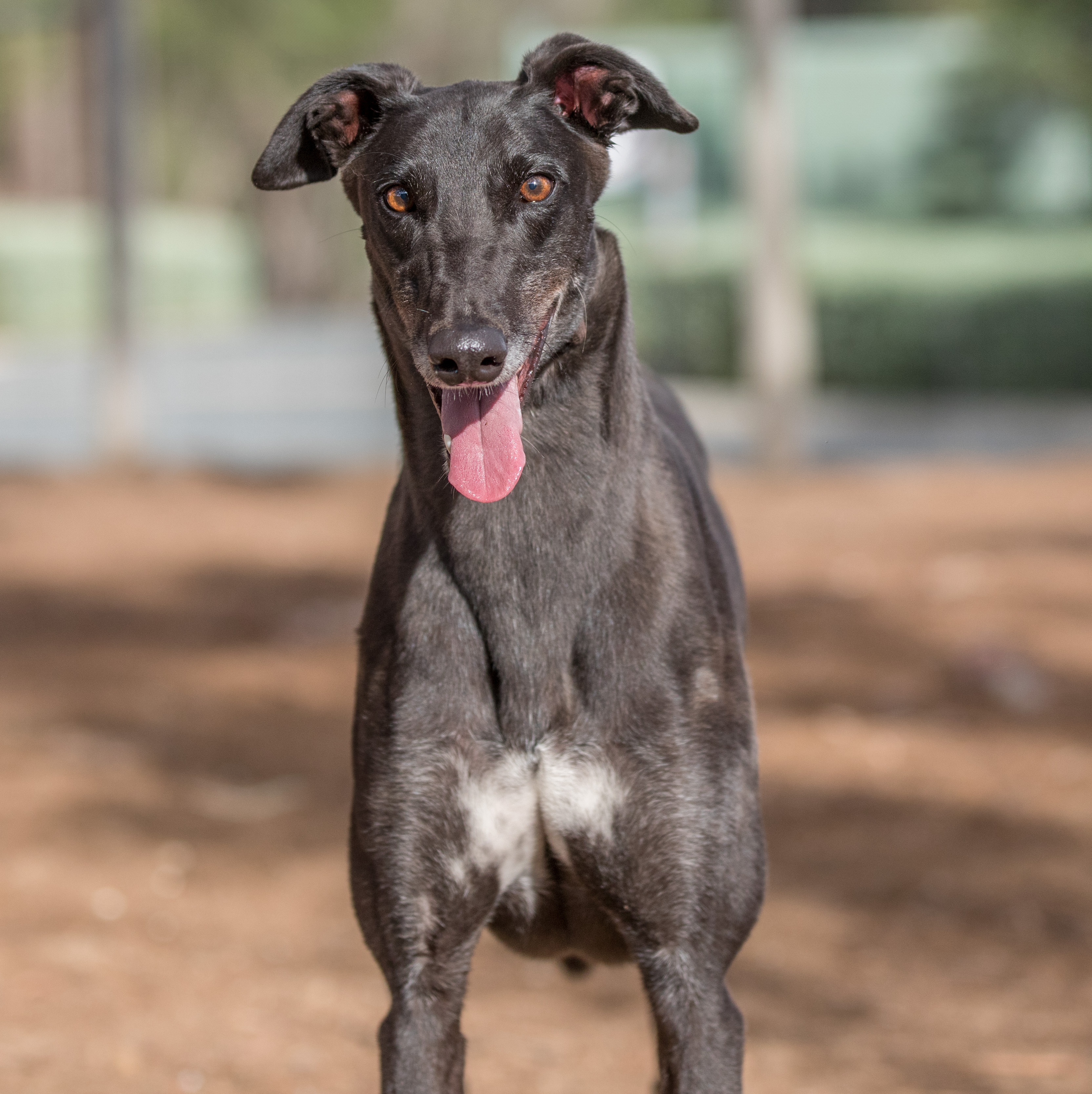
Moro
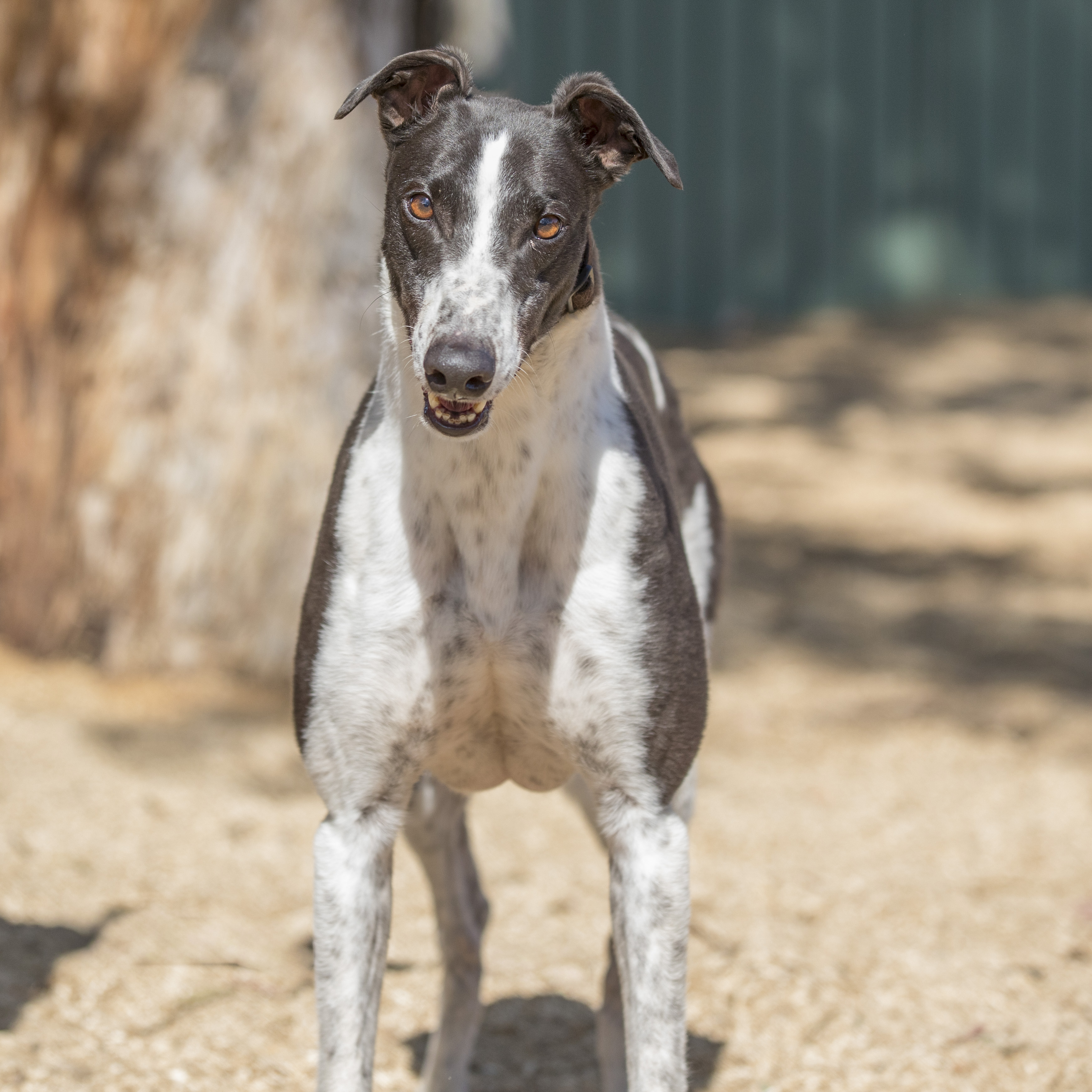
Cowboy
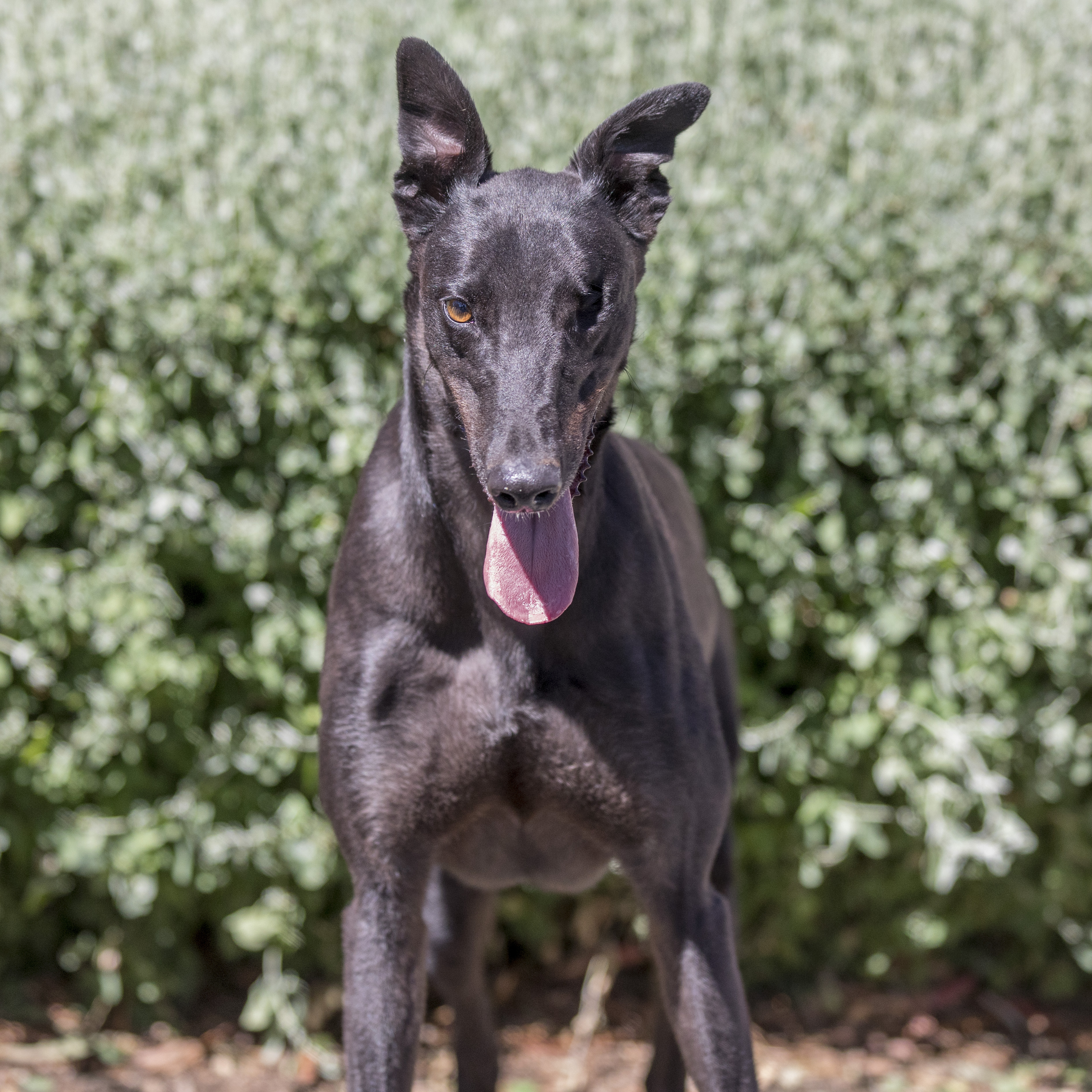
Cotton
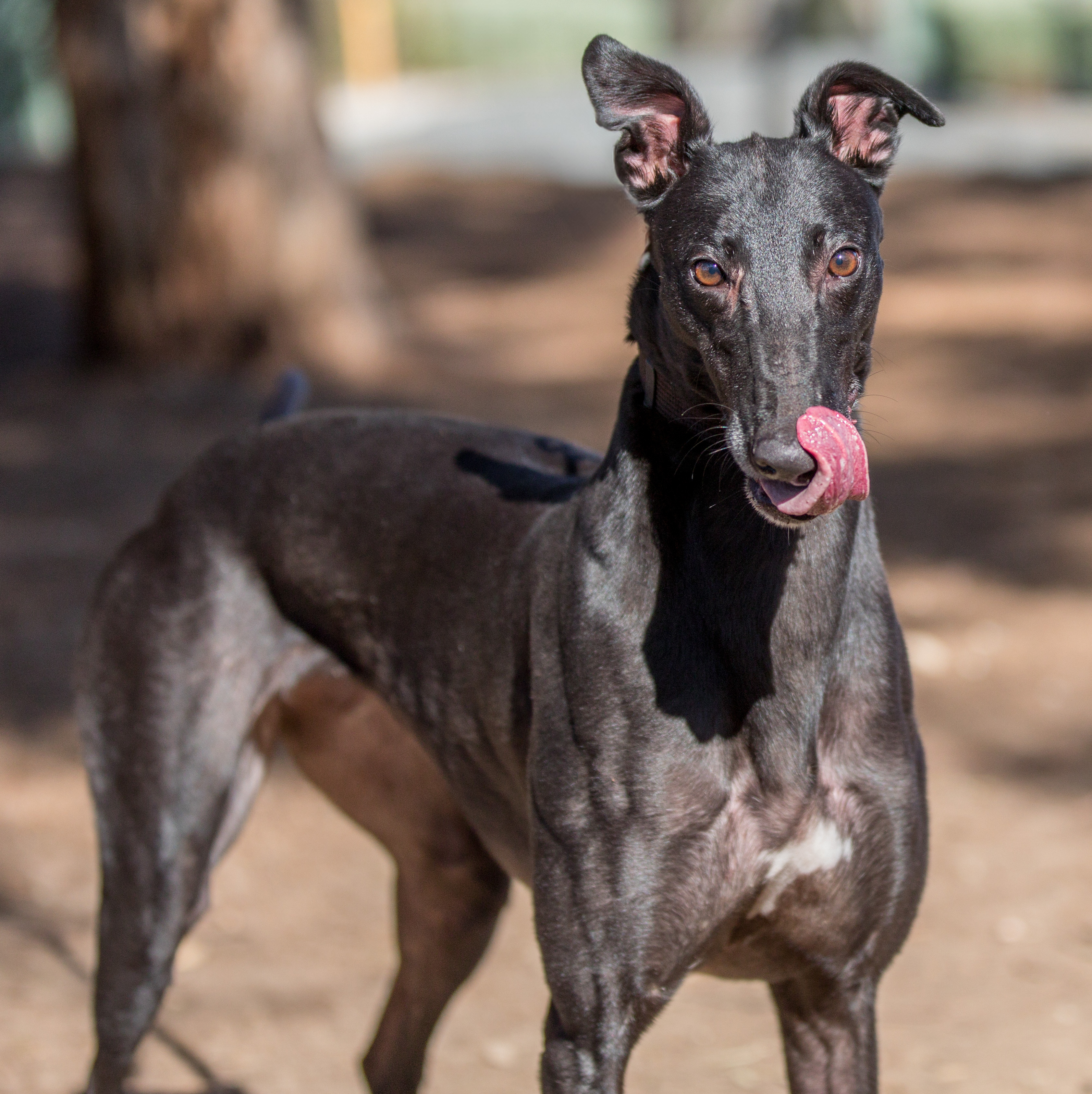
Quinny
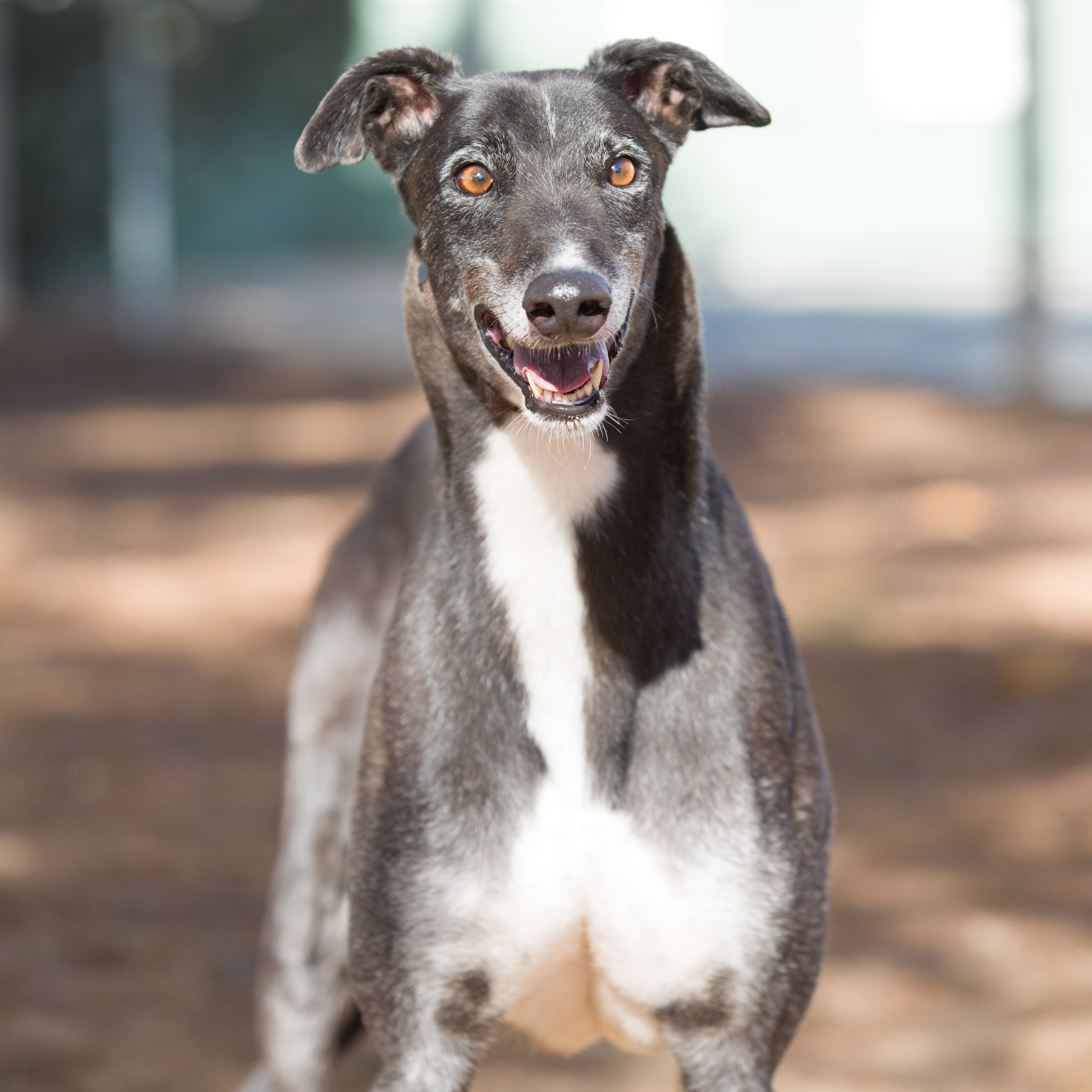
Frank