.png)
Bone Cancer (Osteosarcoma)
Osteosarcoma (bone cancer) is the most common type of cancer that affects the bones of dogs.
This cancer gradually eats away at the healthy bone tissue, leaving weaker, damaged bone which can break easily, even with normal activity. Affected dogs may have a noticeable hard swelling at the site of the cancer, or may simply go suddenly lame, almost overnight.
Bone cancer is mostly seen in larger breeds of dog with Greyhounds being the breed diagnosed most with this disease, followed by Rottweilers and Great Danes. Although most common in older greyhounds, the disease has no real age limits and can be seen in dogs of racing age, as well as in brood bitches and retired racers kept as pets. The risk of developing this disease increases with age, and one study in the UK found it accounted for almost 50% of all tumours seen in greyhounds.
Where is it commonly seen?
The most common sites for bone cancer to develop in the front leg are the shoulder and just above the wrist. In the hind leg the cancer tends to occur just above or below the knee/stifle.
The owner often reports that the dog has gone lame, and the area will often be swollen and painful to touch. Because it can appear so quickly, often owners assume the dog has simply hurt itself in the yard, or while exercising or playing with other dogs. The location of the swelling, amount of pain, and the appearance of the bone on x-ray are used to diagnose this disease. X-rays often show an area of bone that is very different from the normal bone above and below it, with a distinctive appearance described as ‘moth eaten’. Sometimes on x-ray it is also possible to see ‘pathologic’ fractures (breaks in the abnormal bone) which are the cause of a lot of the pain.
Confirmation of the diagnosis can be achieved via a bone biopsy or fine needle aspirate – where some of the cells from the affected area are removed and sent for examination by a pathologist.

What can be done if my greyhound has been diagnosed with Bone Cancer?
Unfortunately bone cancer is usually a very aggressive and nasty disease and malignant cancers can spread from their initial location to other places in the body such as the liver and lungs. Osteosarcoma is a type of cancer that spreads very early in the disease, often well before any signs or symptoms from the original tumour are visible.
Given this early spread, most dogs diagnosed with this disease have a very poor prognosis. It is estimated that most dogs will have a life expectancy of only a few months from the time of diagnosis. Treatment options include pain relieving medication, amputation of the affected limb, chemotherapy and radiotherapy.
Amputation of the affected limb is primarily done to control the pain associated with the area, and does not ‘cure’ the cancer. Without amputation, pain relief may work for a short time, but usually an inability to control the pain leads to the owner deciding to euthanase the greyhound. Greyhounds usually cope quite well with amputation, even though it seems to be a very drastic option. Amputation of the affected limb can increase the life expectancy from just weeks to an average of 4-6 months.
Chemotherapy is aimed at slowing the spread of the disease into other organs. Many owners do not consider chemotherapy because of the cost involved and the concern that their greyhound will suffer similar side effect to human chemotherapy patients (such as nausea and vomiting). Interestingly dogs are far less likely to suffer these types of reactions to the chemotherapy medication, and new chemotherapy drugs continue to be developed which are safer, more effective, and reduce the risks of unpleasant side effects.
Amputation followed by chemotherapy gives the best life expectancy, but the average survival time with this option is still only 10-12 months. If you are concerned that your greyhound has gone suddenly lame, especially if it is an older dog, it is important to have the dog checked by your veterinarian. They will be able to diagnose the problem, and discuss all of the available options and their likely outcomes with you so that you can make an informed decision.



Meet our dogs ready for adoption
All greyhounds adopted from GAP are de-sexed, vaccinated, microchipped, wormed and health checked.

Name
0 Years Old
Lorem ipsum dolor sit amet, consectetur adipiscing elit, sed do eiusmod tempor incididunt ut labore et dolore magna aliqua. Ut enim ad minim veniam, quis nostrud exercitation ullamco laboris nisi ut aliquip ex ea commodo consequat. Duis aute irure dolor in reprehenderit in voluptate velit esse cillum dolore eu fugiat nulla.
Name
0 Years Old
Lorem ipsum dolor sit amet, consectetur adipiscing elit, sed do eiusmod tempor incididunt ut labore et dolore magna aliqua. Ut enim ad minim veniam, quis nostrud exercitation ullamco laboris nisi ut aliquip ex ea commodo consequat. Duis aute irure dolor in reprehenderit in voluptate velit esse cillum dolore eu fugiat nulla.
Name
0 Years Old
Lorem ipsum dolor sit amet, consectetur adipiscing elit, sed do eiusmod tempor incididunt ut labore et dolore magna aliqua. Ut enim ad minim veniam, quis nostrud exercitation ullamco laboris nisi ut aliquip ex ea commodo consequat. Duis aute irure dolor in reprehenderit in voluptate velit esse cillum dolore eu fugiat nulla.
Name
0 Years Old
Lorem ipsum dolor sit amet, consectetur adipiscing elit, sed do eiusmod tempor incididunt ut labore et dolore magna aliqua. Ut enim ad minim veniam, quis nostrud exercitation ullamco laboris nisi ut aliquip ex ea commodo consequat. Duis aute irure dolor in reprehenderit in voluptate velit esse cillum dolore eu fugiat nulla.
Name
0 Years Old
Lorem ipsum dolor sit amet, consectetur adipiscing elit, sed do eiusmod tempor incididunt ut labore et dolore magna aliqua. Ut enim ad minim veniam, quis nostrud exercitation ullamco laboris nisi ut aliquip ex ea commodo consequat. Duis aute irure dolor in reprehenderit in voluptate velit esse cillum dolore eu fugiat nulla.
Name
0 Years Old
Lorem ipsum dolor sit amet, consectetur adipiscing elit, sed do eiusmod tempor incididunt ut labore et dolore magna aliqua. Ut enim ad minim veniam, quis nostrud exercitation ullamco laboris nisi ut aliquip ex ea commodo consequat. Duis aute irure dolor in reprehenderit in voluptate velit esse cillum dolore eu fugiat nulla.
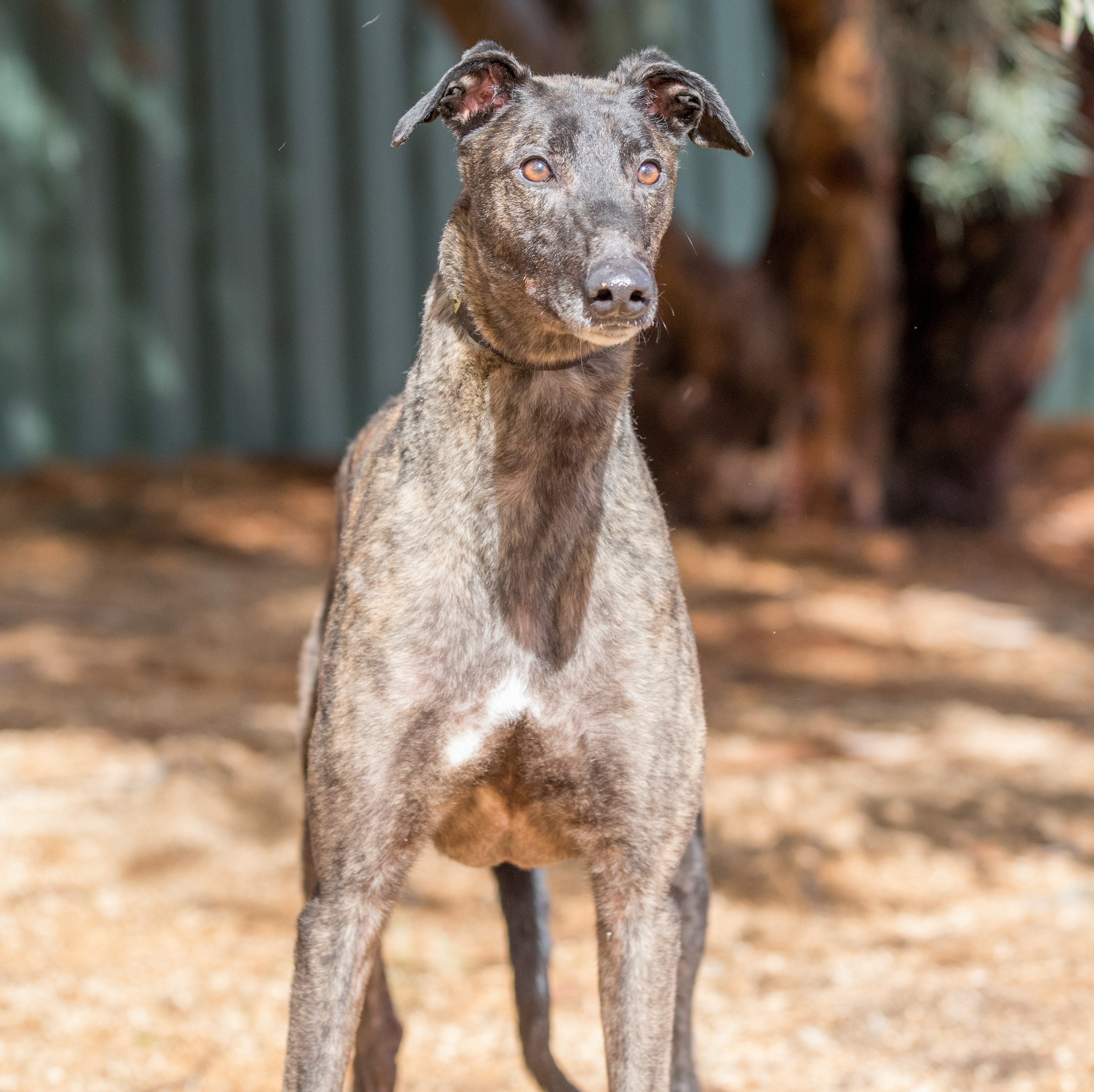
Bear

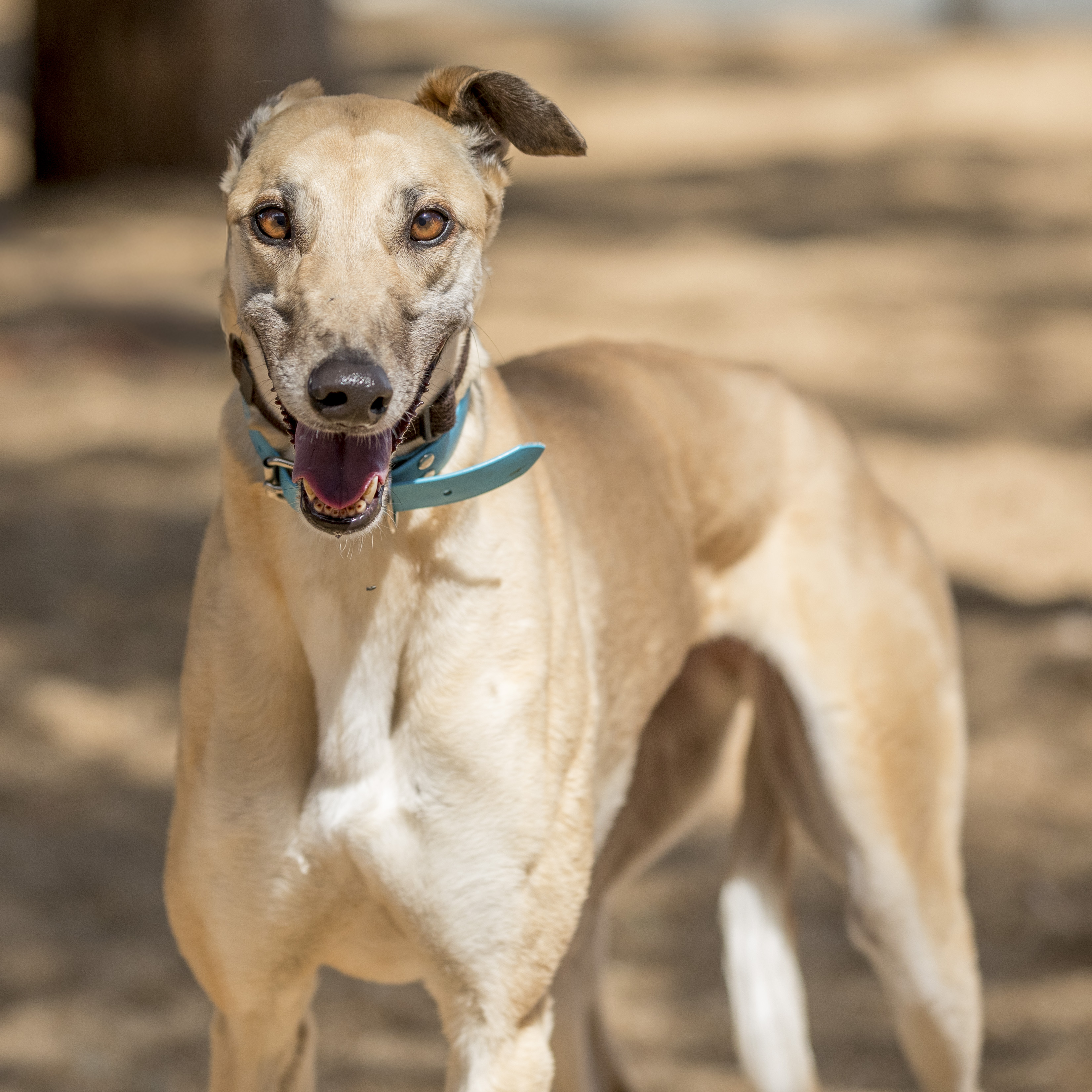
Xandi ARP

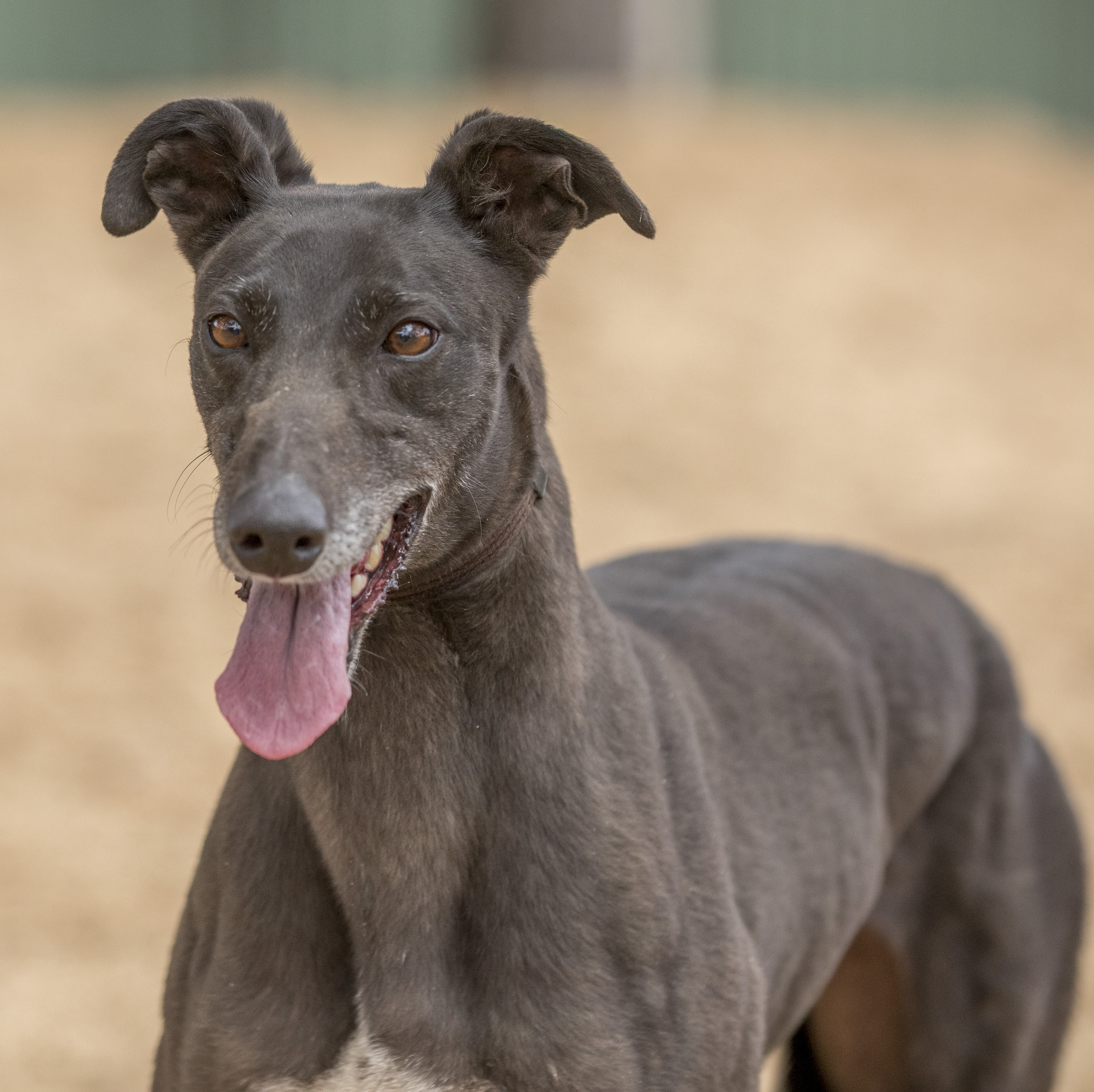
Sweet Xandi is a pretty and gentle soul who is looking for a patient, understanding home where she can build her confidence at her own pace. Having previously lived inside and even enjoyed sleeping on her owner's bed, she is familiar with home life and appreciates the comfort and security of being close to her people. Quiet, sweet and personable, Xandi is easy to handle and forms lovely connections through soft eye contact and her affectionate nature. While she can be timid and a little anxious in new situations, she always tries her best and responds beautifully to kindness and reassurance.
As an introverted and submissive girl, Xandi will likely take a few days to come out of her shell in a new environment, but once she feels safe, her loving personality begins to shine through. She would thrive with an owner who can give her the time, patience and encouragement she needs to settle in and feel secure. Xandi may suit living with or without a canine companion of any size and could be well suited to a home with children aged 15 years and older who can respect her gentle and sensitive nature.
If you're interested in adopting this dog, we'll arrange for them to come into GAP specifically for you to meet and complete the adoption process. Since the dog is being brought into the program based on your interest, we ask that applicants be reasonably confident this is the greyhound they'd like to welcome into their family. Unlike our standard adoption process, you won't be able to meet multiple dogs at the same time however our team will share lots of information about this greyhound to help you determine if they're the perfect match for your family.
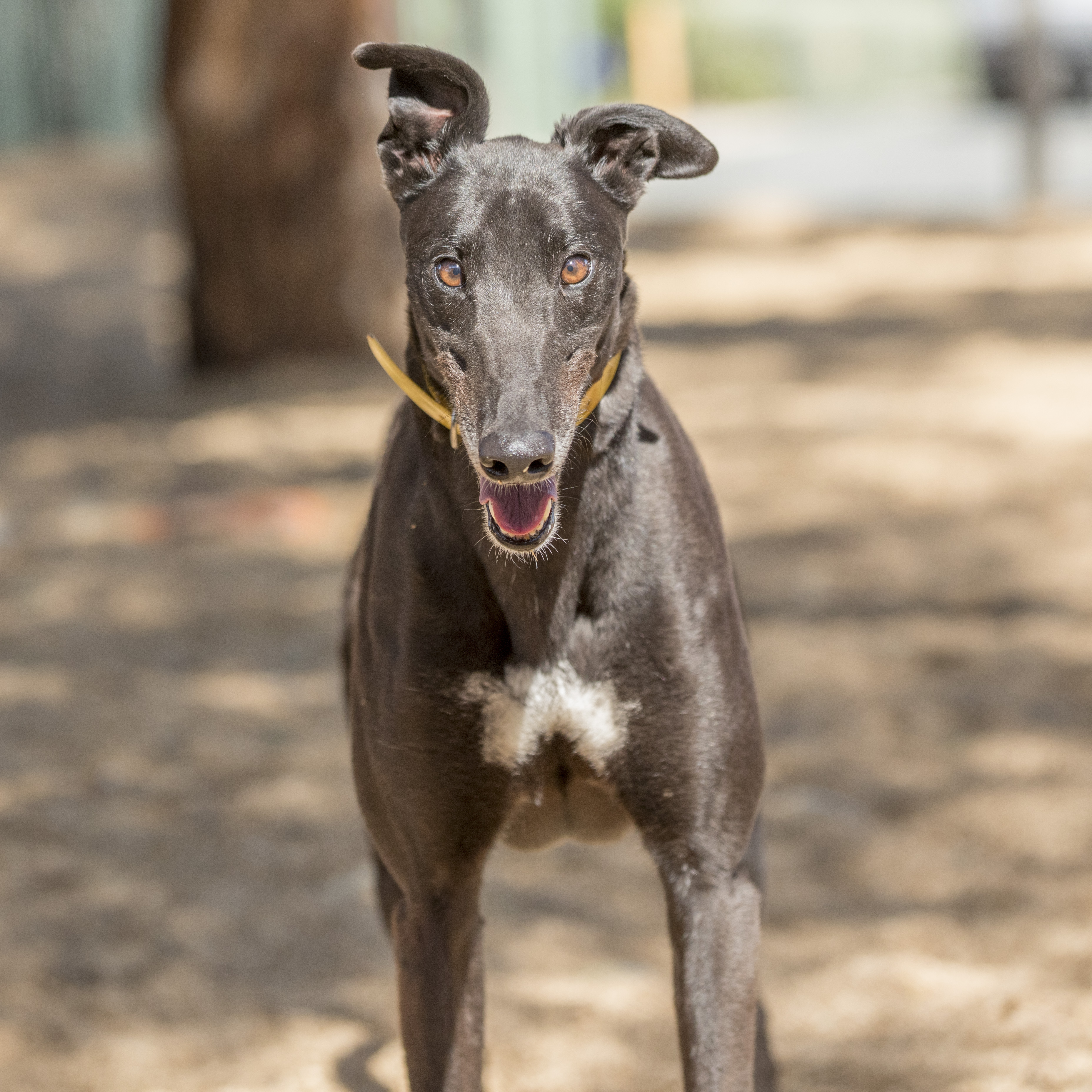
Eddie ARP
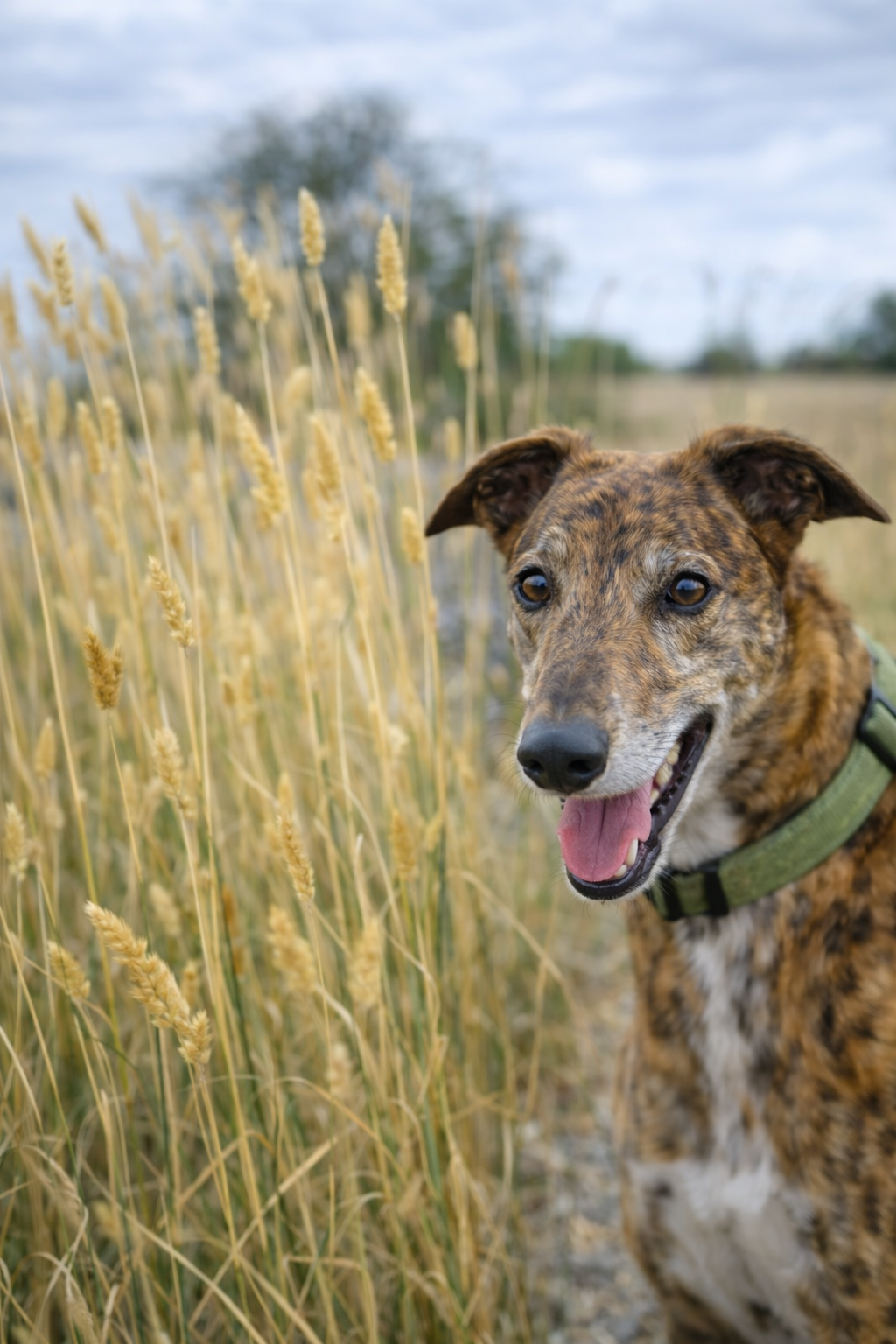
Lovely black Eddie is a calm and easy-going gentleman who takes everything in his stride. Quiet, sweet and laidback, he has a friendly and confident nature that makes him a pleasure to be around. Having previously lived inside a home, Eddie is familiar with household life and is ready to settle into his next chapter with ease. He enjoys spending time with his people and has a personable charm that helps him make friends wherever he goes. With his gentle temperament and relaxed outlook, Eddie would make a wonderful companion for a variety of homes. Whether joining you for a leisurely stroll or simply relaxing by your side, he is happiest when sharing life's everyday moments with those he loves. Eddie may suit living with or without a canine friend of a similar size and could be a lovely addition to a family with children aged 5 years and older.
If you're interested in adopting this dog, we'll arrange for them to come into GAP specifically for you to meet and complete the adoption process. Since the dog is being brought into the program based on your interest, we ask that applicants be reasonably confident this is the greyhound they'd like to welcome into their family. Unlike our standard adoption process, you won't be able to meet multiple dogs at the same time however our team will share lots of information about this greyhound to help you determine if they're the perfect match for your family.
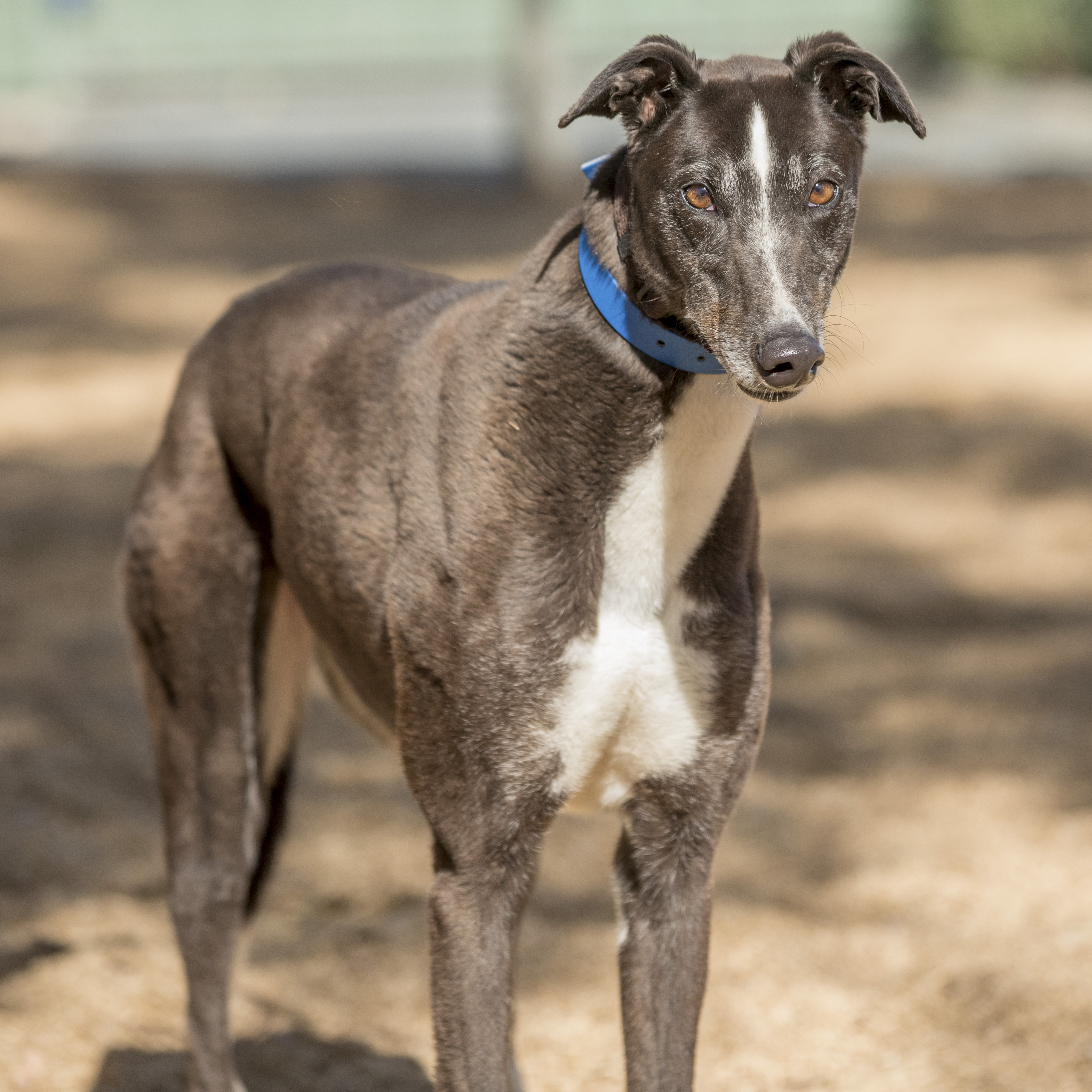
Intex ARP
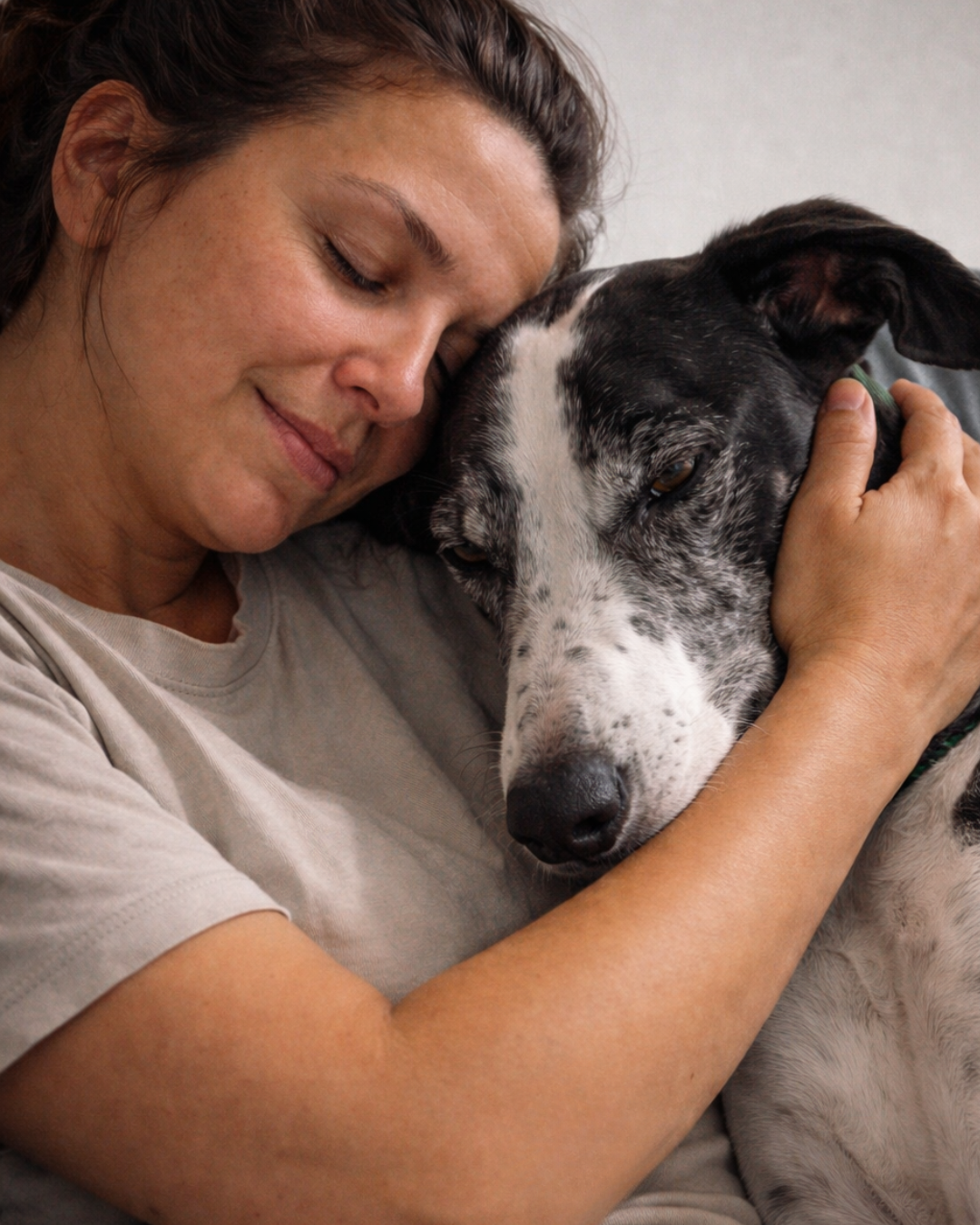
The lovely Intex is a delightful girl with striking white markings and an equally beautiful personality to match. Social, friendly and confident, she enjoys meeting new people and charms everyone she encounters with her affectionate and outgoing nature. Intex loves being involved in whatever is happening around her and is always ready to share a cuddle, leaning into family life with enthusiasm and grace. With her personable temperament and easy-going outlook, Intex is sure to make a wonderful companion for a variety of homes. Whether she's spending time with her people, making new friends, or simply relaxing by your side, this sweet girl is happiest when she is part of the action. Intex may suit living with or without a canine brother of a similar size and could be a lovely addition to a family with children aged 5 years and older.
If you're interested in adopting this dog, we'll arrange for them to come into GAP specifically for you to meet and complete the adoption process. Since the dog is being brought into the program based on your interest, we ask that applicants be reasonably confident this is the greyhound they'd like to welcome into their family. Unlike our standard adoption process, you won't be able to meet multiple dogs at the same time however our team will share lots of information about this greyhound to help you determine if they're the perfect match for your family.
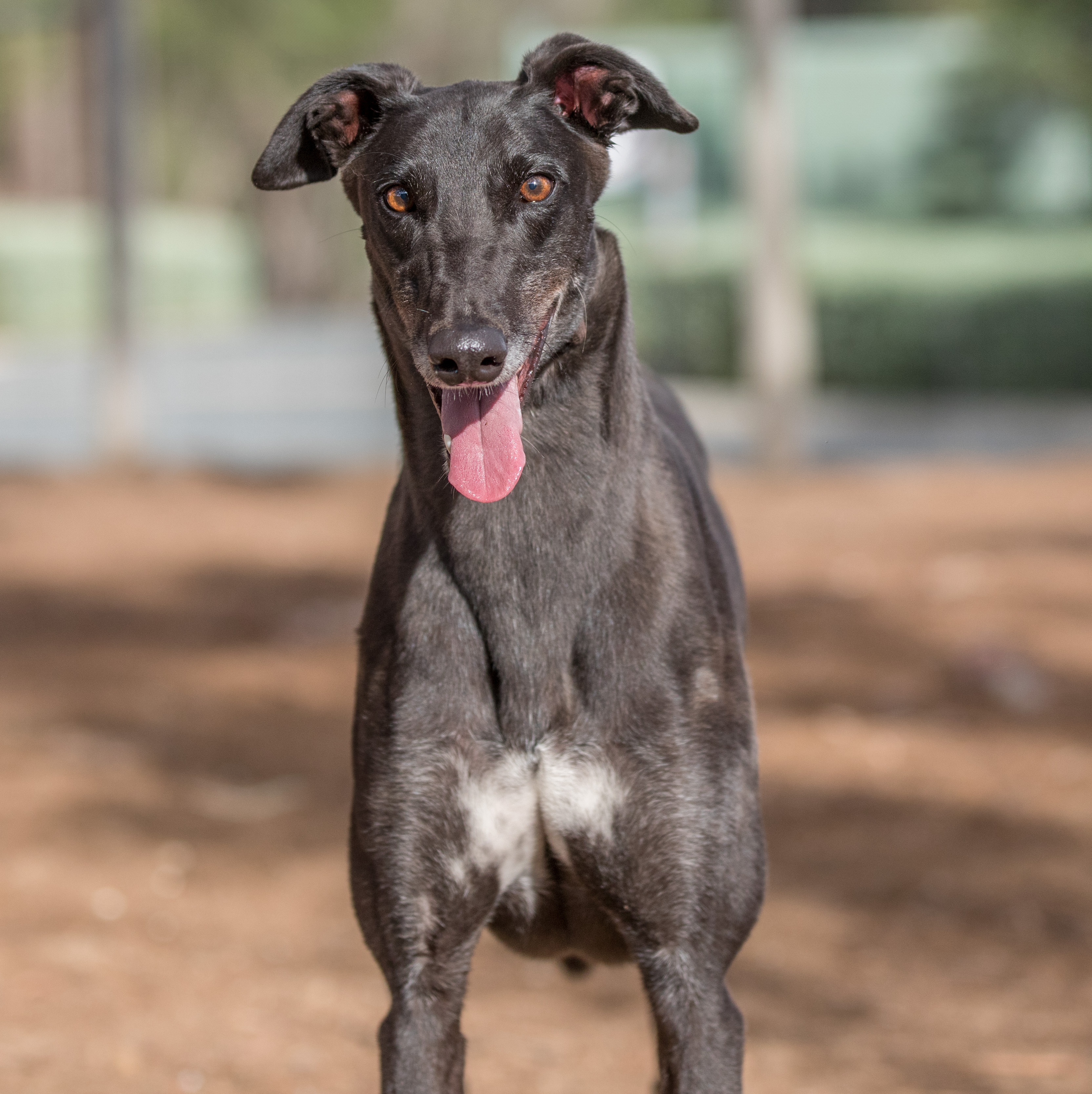
Moro
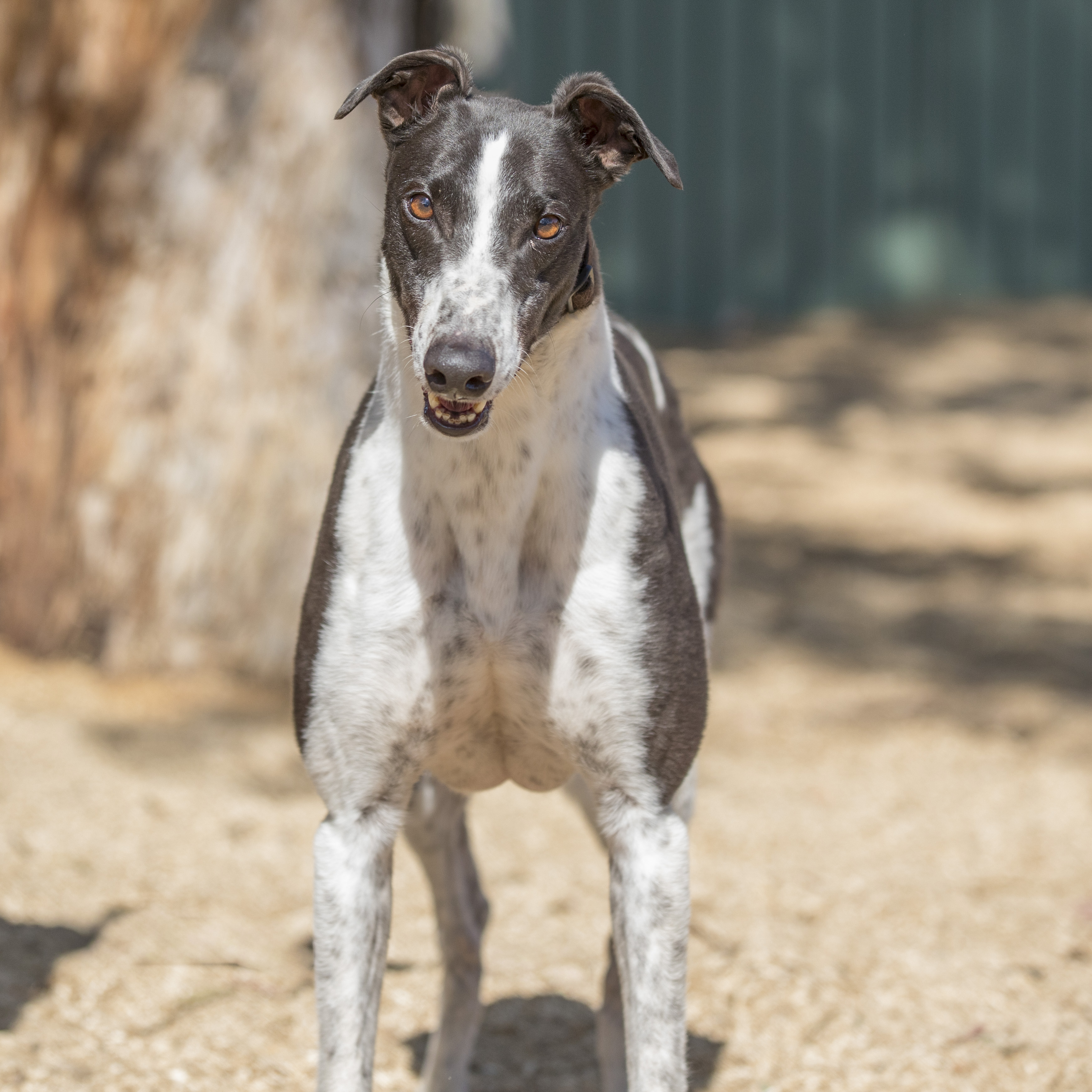
Cowboy
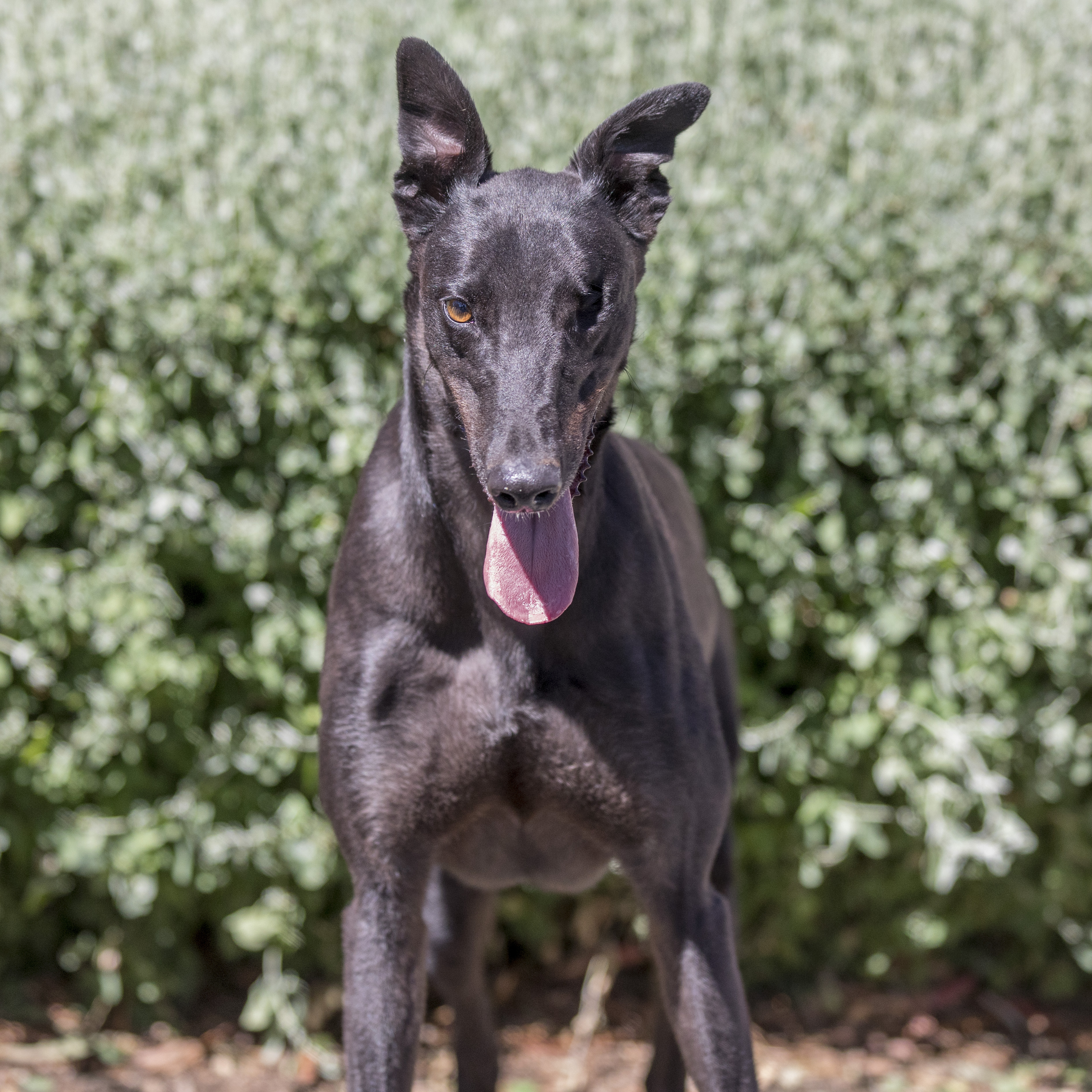
Cotton
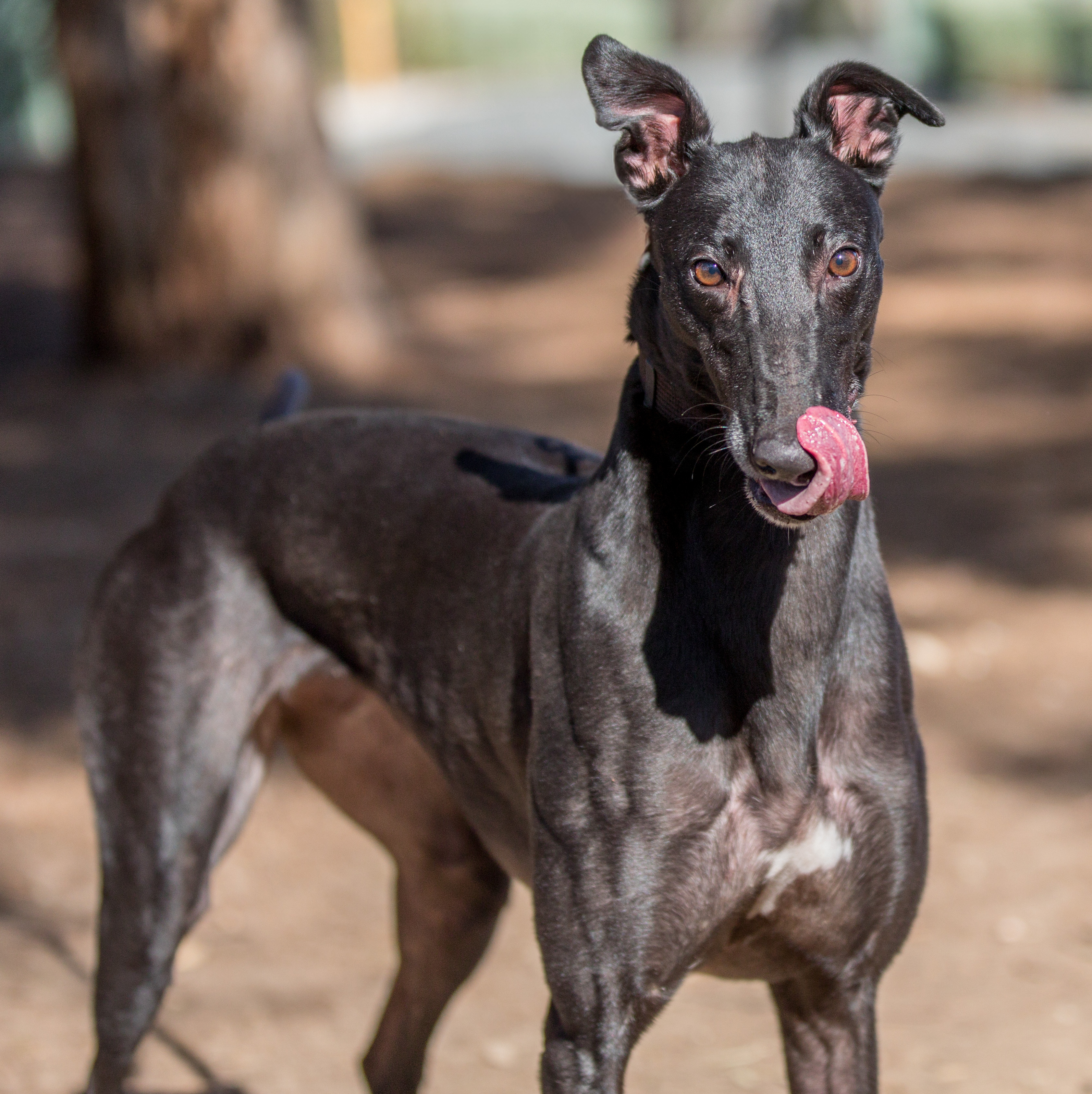
Quinny
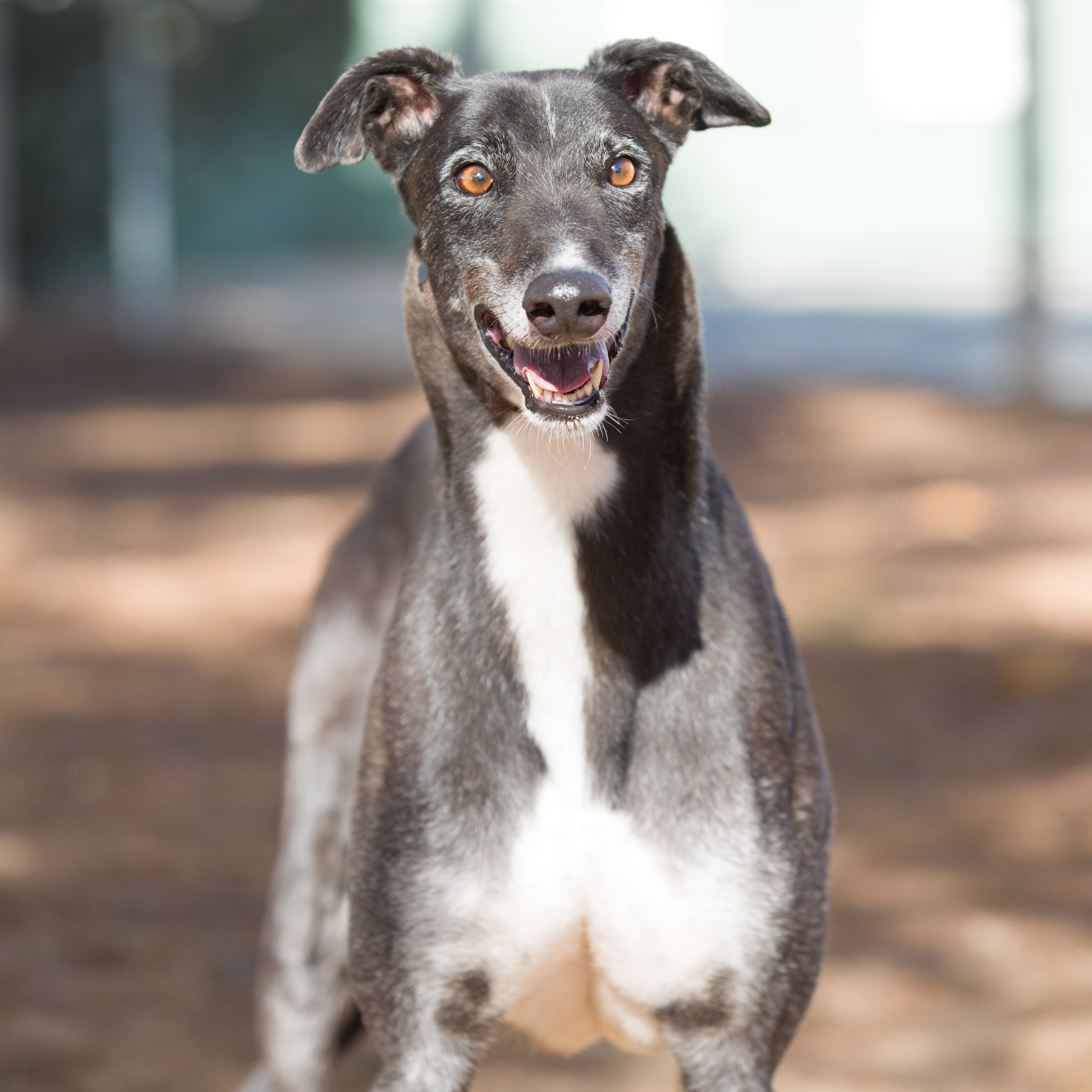
Frank