Saying Goodbye: A Gentle Guide to Your Greyhound’s End-of-Life Journey
Compassionate, practical advice to support families through one of the hardest, but most meaningful decisions in pet guardianship.
At some point, every pet parent faces one of the most heartbreaking parts of the journey.. knowing when, and how, to say goodbye.
For many of us, it's not something we've done before. And while the topic is rarely spoken about openly, it's one that deserves gentleness, planning, and care, because our dogs deserve nothing less.
At GAP, we’re often asked: “How will I know when it’s time?” and “What is the kindest way to do this?” These are big, emotional questions, but you're not alone. This guide brings together the best advice from experienced veterinarians and our community to help you navigate your greyhound’s end-of-life journey with compassion and confidence.
When Is the Right Time?
If we’re lucky, we get to make this decision with time and thoughtfulness, before pain or panic sets in. Not everyone has that opportunity, but when we do, it can be a final act of love.
The truth is, there’s rarely a single moment that tells you, “It’s time.” More often, it’s a gradual knowing. You might notice your greyhound is slowing down, losing interest in food or play, or showing signs of discomfort, confusion, or withdrawal.
One gentle piece of advice that many pet owners hold close is:
“It’s better to do it a week too soon than a minute too late. Try not to make their last day their worst day.”
Choosing to say goodbye before a crisis means your dog doesn’t have to suffer. It gives you a chance to create a calm, peaceful space for their final moments, free of fear, emergency, or distress.
Here are some helpful questions to consider:
- Are they having more bad days than good?
- Are they still enjoying the things they once loved?
- Are they comfortable, or beginning to struggle with basic things like walking, toileting, or eating?
Your vet can be an important partner in this process, helping you assess your dog’s comfort, mobility, and wellbeing, and guiding you with empathy and experience.
A Peaceful Goodbye at Home (Yes, It’s Now an Option!)
One of the kindest choices available to pet owners today is the ability to say goodbye in the comfort of home.
Many people don’t realise that home euthanasia is now a real and accessible option. There are veterinary services in Melbourne and across Victoria that specialise in gentle, in-home end-of-life care.
This approach can offer:
- A calm, familiar environment
- No stressful car rides or clinical smells
- A peaceful passing on their own bed, surrounded by love
- More time and privacy for the family to say goodbye
What the Process Typically Involves
While each vet may have their own approach, most follow a calm, two-step process designed to be as gentle and stress-free as possible:
- Sedation first – Your dog is given a sedative to help them relax deeply or fall asleep. This ensures they are calm, pain-free, and unaware of what follows.
- The final injection – Once your dog is fully asleep, the vet administers the final injection, which causes the heart to stop peacefully and quickly. It’s often described as your dog simply drifting further into sleep.
Preparing for a Home Euthanasia: Thoughtful Things to Consider
If you’ve arranged for a vet to come to your home, the following suggestions may help make the experience as peaceful and meaningful as possible:
Choose the Right Time
- Pick a time of day that works best for your family. Some find mornings easier, while others appreciate having one final day together.
- Avoid rushing, choose a day when everyone who wishes to be there can be present.
Set the Space
- Create a calm and familiar setting, perhaps their favourite bed or spot in the sun.
- Keep the household routine as normal as possible that day.
- Turn phones off, have tissues on hand, and try to keep the atmosphere quiet and unhurried.
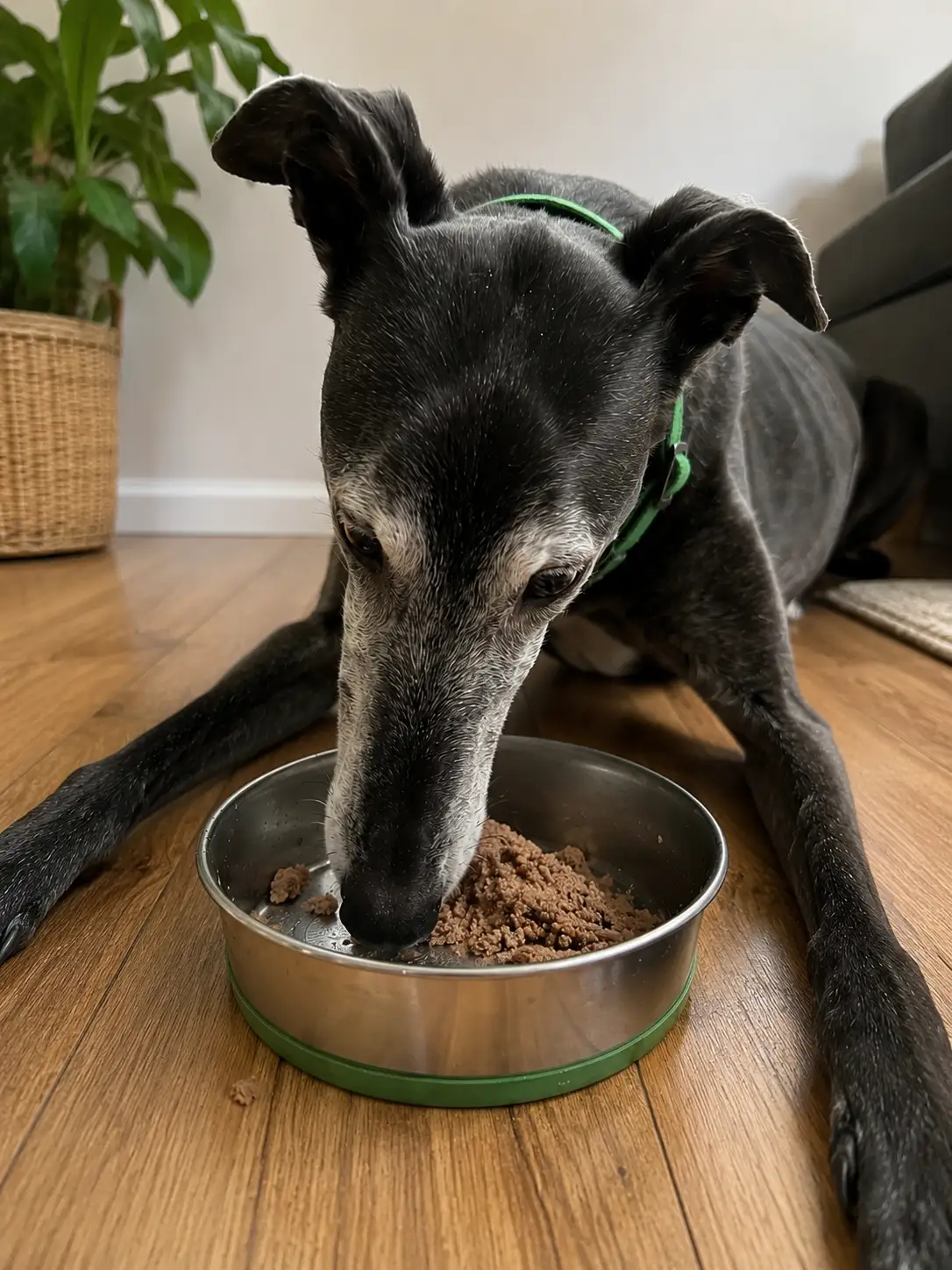
- Offer the dog their final, delicious meal. You might like to give them roast chicken, or ice cream, or even their one and only taste of chocolate (chocolate can only be given after the vet has arrived).
Involve Other Pets Thoughtfully
- If you have other pets, consider whether they should be nearby. Calm companions may offer comfort, but boisterous or curious pets might be better in another room.
- Some families choose to let other dogs see the body afterwards, this can help them process the change.
Involve Children in a Gentle Way
- Depending on their age and understanding, children may or may not want to be present.
- A meaningful option: have your child (or yourself) write a letter to the dog to be cremated or buried with them, or include favourite toys, treats, or a blanket.
Helping Anxious Dogs
- If your dog is highly anxious or fearful of strangers, talk to your vet about oral anti-anxiety medication that can be given in advance to help them stay relaxed before the visit.
Bucket List Moments
Some families create a gentle “bucket list” for their greyhound’s final days, this might include:
- A trip to the beach
- Chicken nuggets from the drive-through
- A last walk in their favourite park
- Time in the sun with their favourite person
Take photos if you can. These can become beautiful memories to hold onto later.
When a Home Visit Isn’t an Option
Sometimes, a home visit just isn’t possible, and that’s okay. Your goodbye can still be calm, loving, and dignified.
Stay With Them, If You Can
Your presence means everything. Your voice, your touch, your scent, these help your dog feel safe and loved. If you're not able to stay, ask a trusted friend or family member to step in.
Consider the Car Option
Some vets are willing to perform the euthanasia in the back of your car, parked outside the clinic. This can be:
- Quieter
- Less stressful for dogs who dislike clinics
- More private for you
Always ask - many vets are happy to accommodate this.
Bring Familiar Items
- A favourite blanket, toy, or bed can bring comfort.
- Ask to wait in the car or request a quiet room if available.
- Keep lights low and speak gently.
Ask for Sedation First
Even in a clinical setting, you can request:
- A sedative injection to help your dog relax or fall asleep
- Time to be with them before the final injection
- A slow, unhurried farewell
Aftercare and Honouring Their Memory
Your vet will guide you through next steps. Common options include:
- Cremation, with or without ashes returned
- Burial (check local regulations)
- Keepsakes like a paw print, fur clipping, or collar
Some beautiful ways families choose to honour their greyhound:
- Lighting a candle that evening
- Planting a tree or flowers in their memory
- Writing them a letter
- Creating a photo album
- Sharing a tribute with the GAP community
Grief Is a Measure of Love
There’s no one way to grieve. Some feel a deep sense of loss immediately; others find the sorrow unfolds gradually. Some adopt again quickly; others need more time. All of it is okay.
What matters most is knowing that your dog felt safe, calm, and deeply loved at the end. That’s a beautiful legacy of care.
You gave them a second chance when you adopted them. And now, you’ve given them one final gift: a dignified, peaceful goodbye.
You’re Not Alone
Whether you’re preparing for this moment, going through it now, or sitting with the quiet afterwards - you are not alone.
The GAP team is always here, ready to support you, share stories, or simply listen.
💛 Please reach out if you need us.


.png)


Meet our dogs ready for adoption
All greyhounds adopted from GAP are de-sexed, vaccinated, microchipped, wormed and health checked.

Name
0 Years Old
Lorem ipsum dolor sit amet, consectetur adipiscing elit, sed do eiusmod tempor incididunt ut labore et dolore magna aliqua. Ut enim ad minim veniam, quis nostrud exercitation ullamco laboris nisi ut aliquip ex ea commodo consequat. Duis aute irure dolor in reprehenderit in voluptate velit esse cillum dolore eu fugiat nulla.
Name
0 Years Old
Lorem ipsum dolor sit amet, consectetur adipiscing elit, sed do eiusmod tempor incididunt ut labore et dolore magna aliqua. Ut enim ad minim veniam, quis nostrud exercitation ullamco laboris nisi ut aliquip ex ea commodo consequat. Duis aute irure dolor in reprehenderit in voluptate velit esse cillum dolore eu fugiat nulla.
Name
0 Years Old
Lorem ipsum dolor sit amet, consectetur adipiscing elit, sed do eiusmod tempor incididunt ut labore et dolore magna aliqua. Ut enim ad minim veniam, quis nostrud exercitation ullamco laboris nisi ut aliquip ex ea commodo consequat. Duis aute irure dolor in reprehenderit in voluptate velit esse cillum dolore eu fugiat nulla.
Name
0 Years Old
Lorem ipsum dolor sit amet, consectetur adipiscing elit, sed do eiusmod tempor incididunt ut labore et dolore magna aliqua. Ut enim ad minim veniam, quis nostrud exercitation ullamco laboris nisi ut aliquip ex ea commodo consequat. Duis aute irure dolor in reprehenderit in voluptate velit esse cillum dolore eu fugiat nulla.
Name
0 Years Old
Lorem ipsum dolor sit amet, consectetur adipiscing elit, sed do eiusmod tempor incididunt ut labore et dolore magna aliqua. Ut enim ad minim veniam, quis nostrud exercitation ullamco laboris nisi ut aliquip ex ea commodo consequat. Duis aute irure dolor in reprehenderit in voluptate velit esse cillum dolore eu fugiat nulla.
Name
0 Years Old
Lorem ipsum dolor sit amet, consectetur adipiscing elit, sed do eiusmod tempor incididunt ut labore et dolore magna aliqua. Ut enim ad minim veniam, quis nostrud exercitation ullamco laboris nisi ut aliquip ex ea commodo consequat. Duis aute irure dolor in reprehenderit in voluptate velit esse cillum dolore eu fugiat nulla.
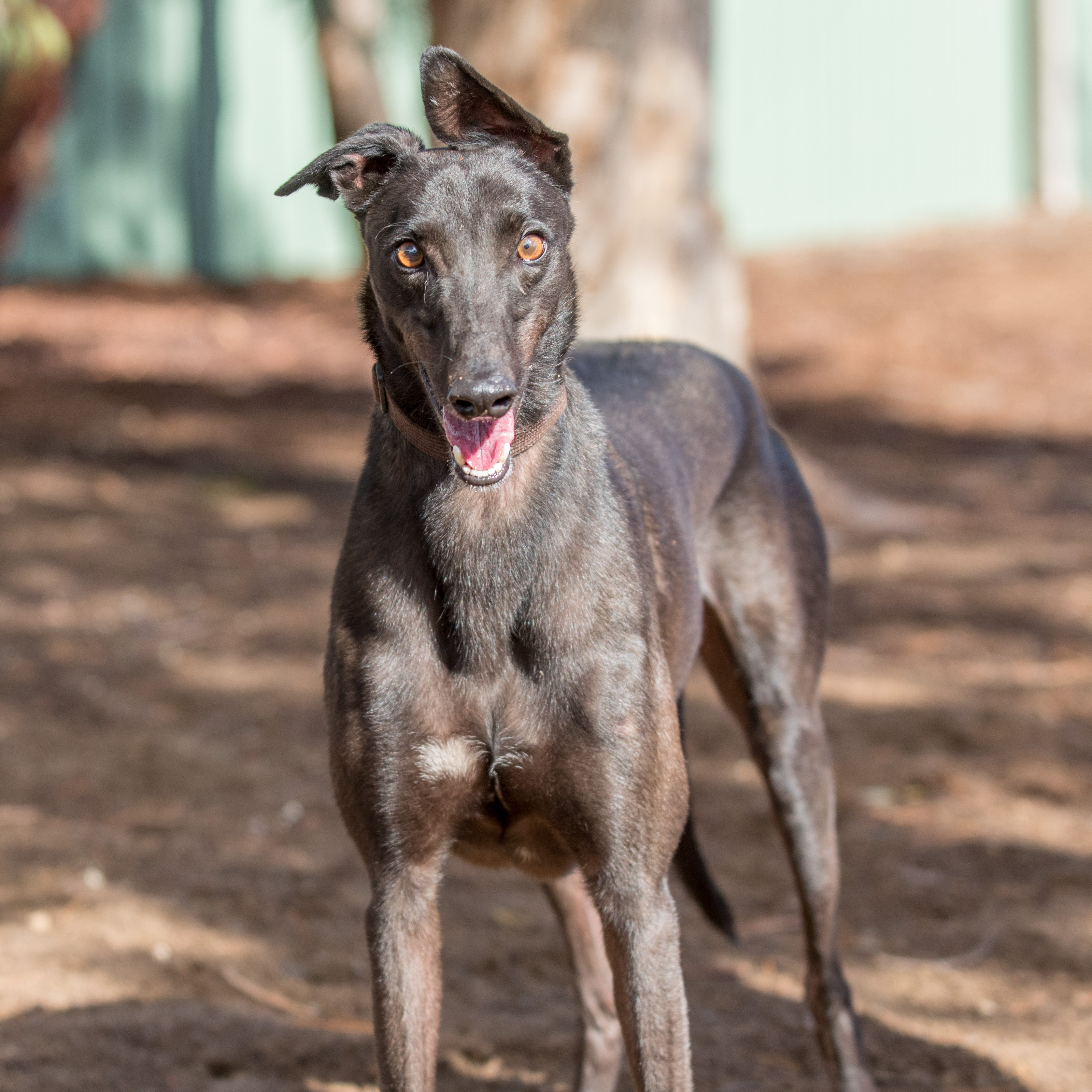
Little Man

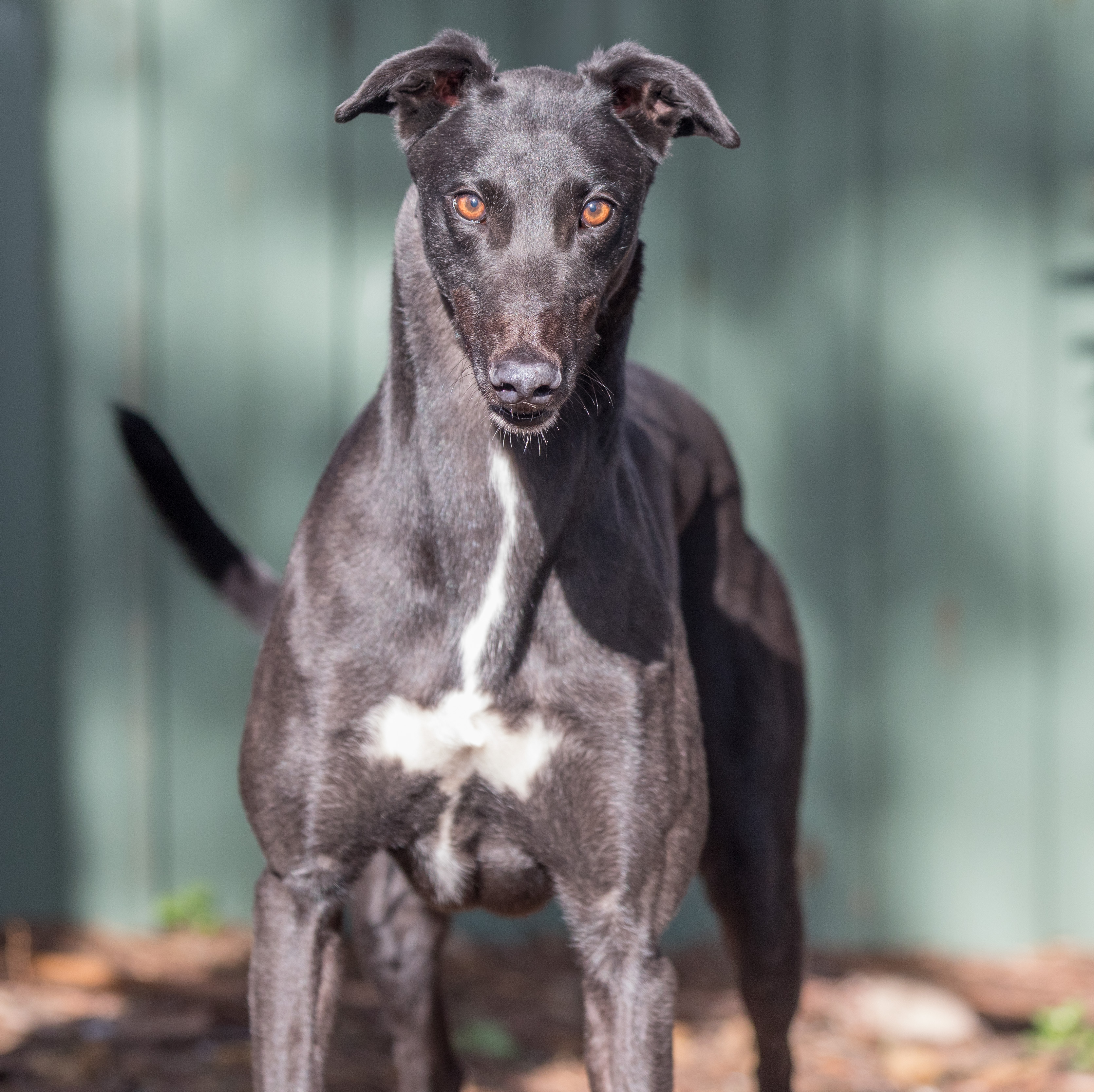
Brasi
Marlowe
Maverick
Targan
Ginny
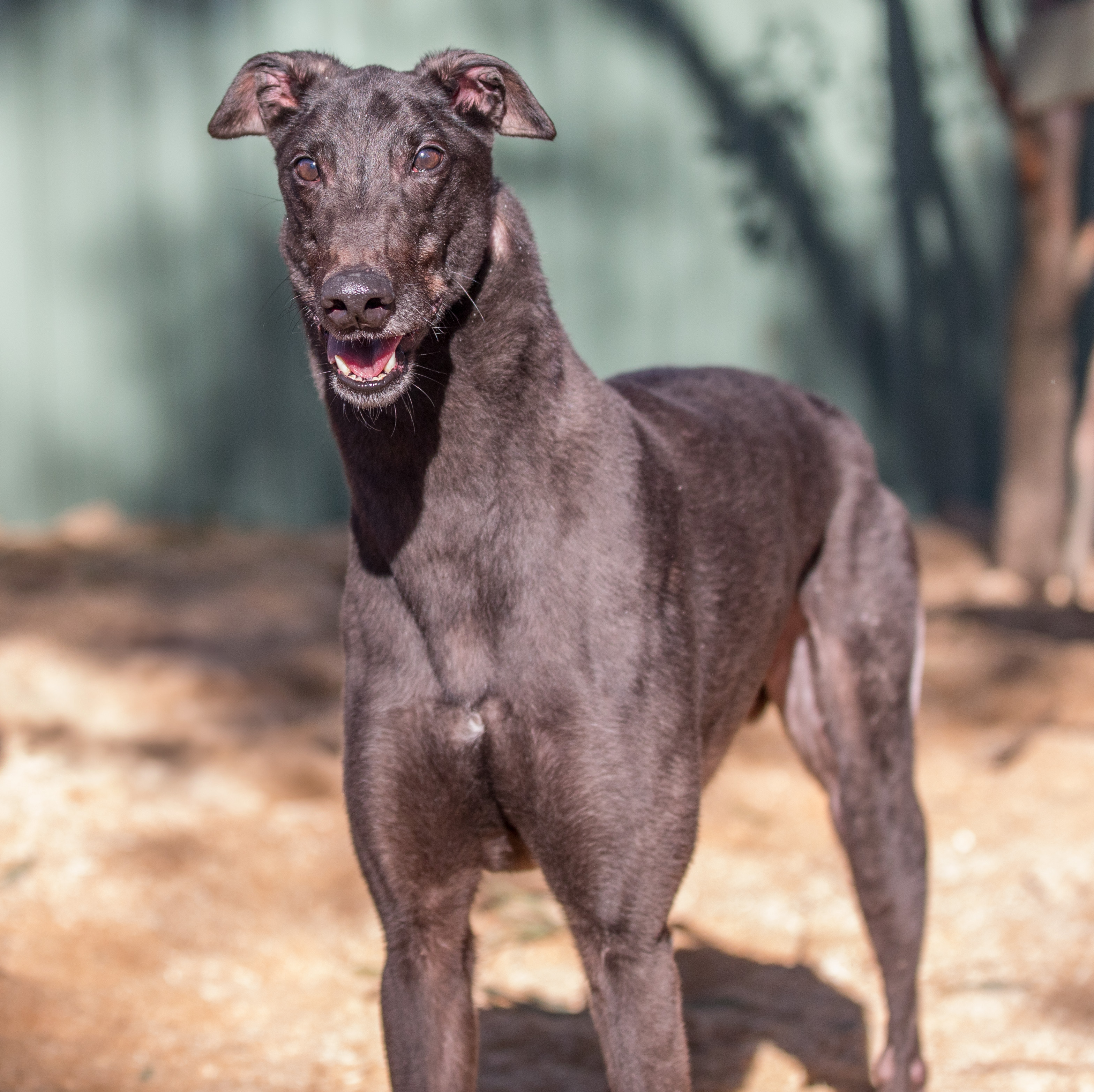
Cecil
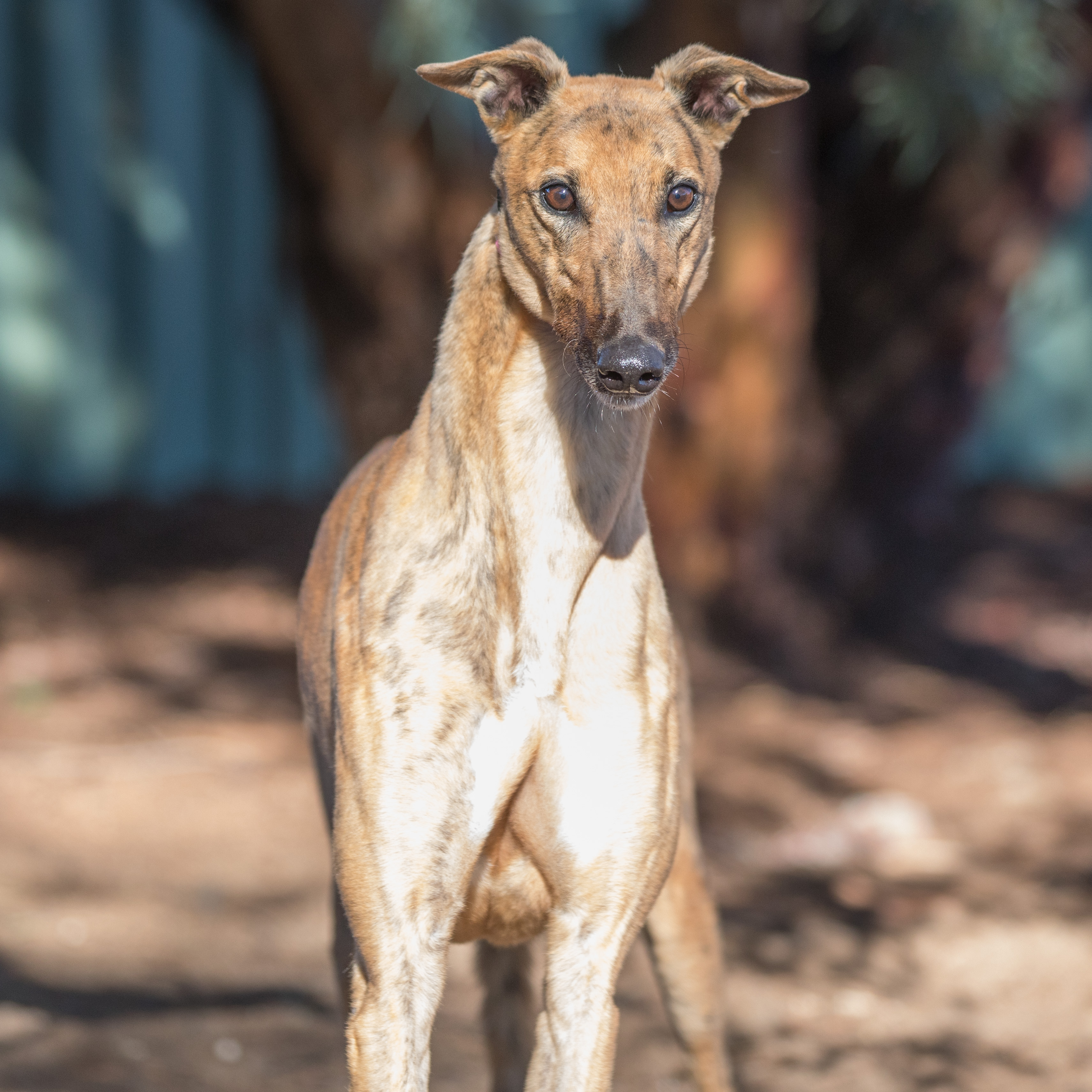
Tiger

Sonny ARP
Sonny is a most dashing and spirited gentleman of the greyhound world. Handsome, charming, and impossible to ignore, Sonny carries himself with the confidence of a true gentleman while still embracing a delightfully puppyish enthusiasm for life. Friendly and outgoing, he seeks connection with eager eye contact and a desire to please that is most endearing. Known to be quite the conversationalist, Sonny enjoys "speaking his mind" with cheerful chatter, all while his signature waggy "helicopter" tail ensures no entrance goes unnoticed.
With his lively and excitable nature, Sonny would be best suited to a home that can indulge his active spirit and zest for play. His enthusiasm can make him a little erratic on the lead at times, but with guidance and patience, he will shine as the perfect companion. Sonny may suit living with or without a canine friend of similar size and would do well with children aged 10 years and older. A home with a backyard would suit him splendidly, offering the space he needs to frolic and burn off his boundless energy.
Sonny is part of our Assisted Rehoming Program (ARP). We have behavioural and health assessed this lovely dog, and they will remain with their racing owners until they find an adoptive home, at which point they are brought back into GAP. This means that should you be interested in adopting this dog, we are bringing the dog into GAP on the understanding that you will be adopting this particular dog, and no other dogs currently in our care.
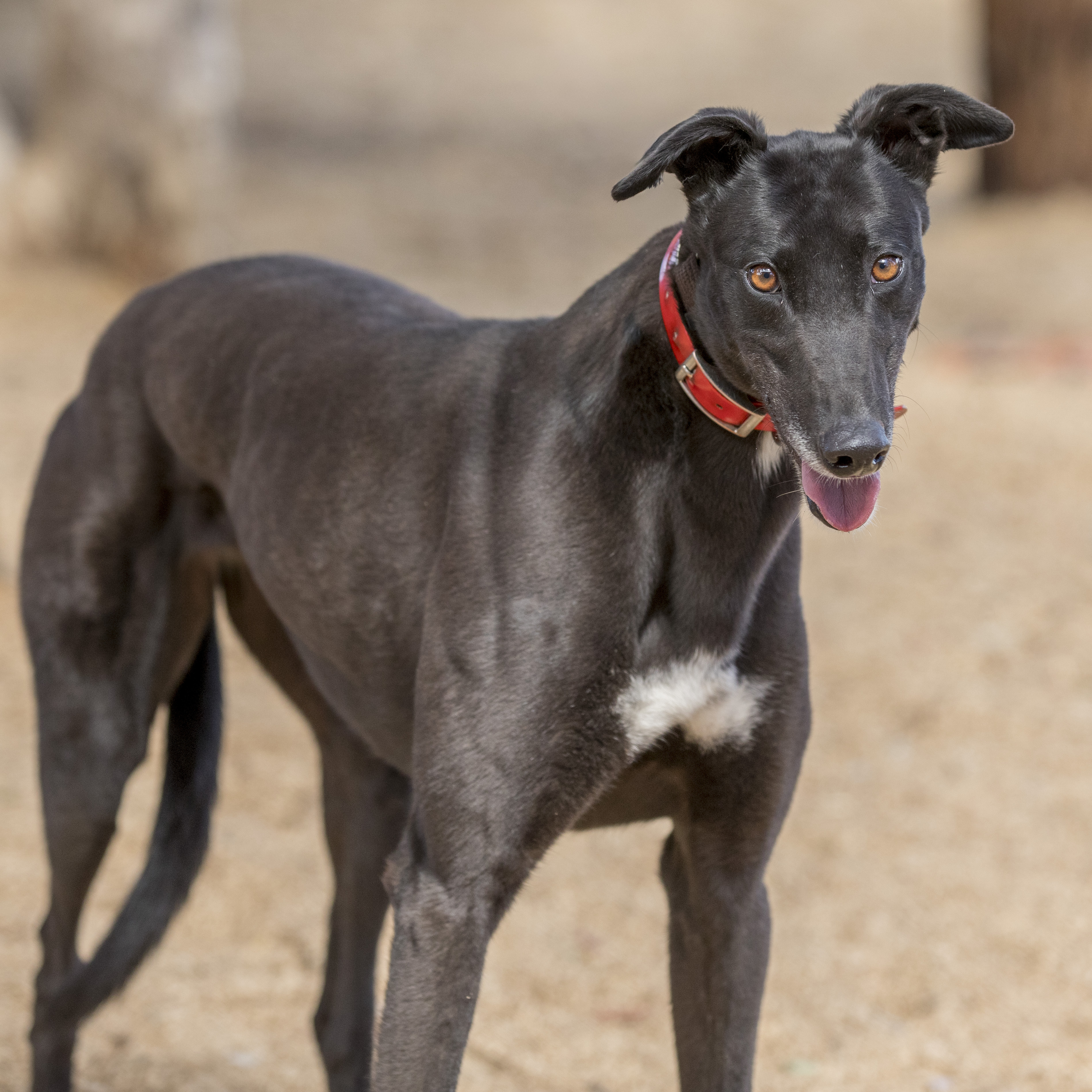
Bess

