
Resource Guarding
Resource guarding in greyhounds is not uncommon. Learn what it is, why it happens, and how to address it through simple training and management techniques.
What is resource guarding?
Resource guarding in greyhounds is not uncommon, and is when a dog displays mild to moderate aggressive behaviour around their personal areas including food and water bowls, bedding, kennel, toys and sleeping area. The dog equivalent of "don't touch my stuff!"
Often, greyhounds are raised with their litter mates in a pack until they are around 20 weeks old.
After 20 weeks of age, greyhound pups may be group housed or housed in pairs until they reach their race pre-training stage. At these stages of life, greyhounds may be required to share food and water bowls, toys and bed space.
During training and racing, greyhounds tend to be individually housed and their food and water bowls, bedding, toys etc are their own, so they do not have to share.
This upbringing may pre-dispose some greyhounds to resource guarding.
If adopting through GAP, we will let you know if your dog has any previously noted resource guarding behaviour and/or what work has been done to correct, where appropriate.
How can I address resource guarding?
Resource guarding is a behaviour that we can change relatively easily through training; but it is a serious behaviour if not managed properly. Dogs are predators, so they are pre-programmed to protect important resources such as food, water and sleeping areas.
To address resource guarding successfully, you need to work with your greyhound to teach them that the approach by you or another human to his/her food, toys, bed or space is a good thing.
Before beginning any training, you should seek expert help from your veterinarian, a dog trainer, your adoption agency/shelter/rescue group or GAP.
However, here are some simple management techniques:
- Always provide your greyhound with their own time-out or safe space. Food, water and treats should be first made available there and, while they are still resource guarding, this area should be blocked from entry by children and other pets/animals.
- Teach your greyhound the command GIVE/MINE. Start with objects that he/she does not value as much as treats (which are highly valued). Then gradually work your way up to objects that he/she cares very much about. Ask him/her to give you the object, then either wait for them to do so (if they know the cue) or cause them to do so by presenting food near their mouth. Reward and praise him/her for dropping the object, then give it back to them as soon as they are done chewing. Practising this cue and giving the resource back each time helps your greyhound understand that giving away their resources to a human is a good thing, so there's no reason to guard them. Children should only work on this step under adult supervision. Start with the family member that the greyhound trusts most.
- Condition your greyhound to expect good things when you approach, especially if they have some sort of highly prized resource, like a bone. As with "give", start with something your dog does not guard. Walk over, present the treat while they are enjoying their low value toy or food, and leave. Do this with several low value toys throughout the day. Repeat this for several days until he/she begins to look up at you, with a "Hey, they're here to give me a treat" expression on their face. With the low value objects, move up to touching the dog in some way, grabbing the object (often saying "give" first), then popping a high value treat in their mouth and returning the object. Over a period of weeks or more, gradually move up to repeating the above with higher and higher value toys or food. With high value items, start by just walking by the dog, out of the range that makes him growl, and dropping a treat. Move closer as the days go by, if the dog is ready; never progress faster than your dog is happily willing to go. If the dog is not relaxed and happy at any stage, you have moved too fast, so retreat to the previous level. Repeat this entire process with several high value objects. After that, progress to doing this process with more people around, more stress in the environment. Children should only work on the conditioning step under adult supervision.
How will I know when we're at the maintenance stage?
After your greyhound is happily accepting any human approach to its food or toys, you are at the maintenance stage. Twice a week, at first, then once or twice per month, approach while they're eating, pick up the bowl, and plop in a handful of treats before setting it back down. Do the same with toys or bones as well.
Practise the "give or mine" command, replacing the surrendered object with something else if you really must take it away.
Why has my greyhound started resource guarding again?
If your dog ever starts up again with resource guarding, it's probably because you haven't kept up on the training and they have started to notice that it's not such a good thing to give up their resources, after all. Remind them that humans are the source of all good things by going through the above process again.
For further advice on your GAP dog's behaviour, please call our team on 5799 0166.



_51505627.jpg)


.jpg)

.png)
Meet our dogs ready for adoption
All greyhounds adopted from GAP are de-sexed, vaccinated, microchipped, wormed and health checked.

Name
0 Years Old
Lorem ipsum dolor sit amet, consectetur adipiscing elit, sed do eiusmod tempor incididunt ut labore et dolore magna aliqua. Ut enim ad minim veniam, quis nostrud exercitation ullamco laboris nisi ut aliquip ex ea commodo consequat. Duis aute irure dolor in reprehenderit in voluptate velit esse cillum dolore eu fugiat nulla.
Name
0 Years Old
Lorem ipsum dolor sit amet, consectetur adipiscing elit, sed do eiusmod tempor incididunt ut labore et dolore magna aliqua. Ut enim ad minim veniam, quis nostrud exercitation ullamco laboris nisi ut aliquip ex ea commodo consequat. Duis aute irure dolor in reprehenderit in voluptate velit esse cillum dolore eu fugiat nulla.
Name
0 Years Old
Lorem ipsum dolor sit amet, consectetur adipiscing elit, sed do eiusmod tempor incididunt ut labore et dolore magna aliqua. Ut enim ad minim veniam, quis nostrud exercitation ullamco laboris nisi ut aliquip ex ea commodo consequat. Duis aute irure dolor in reprehenderit in voluptate velit esse cillum dolore eu fugiat nulla.
Name
0 Years Old
Lorem ipsum dolor sit amet, consectetur adipiscing elit, sed do eiusmod tempor incididunt ut labore et dolore magna aliqua. Ut enim ad minim veniam, quis nostrud exercitation ullamco laboris nisi ut aliquip ex ea commodo consequat. Duis aute irure dolor in reprehenderit in voluptate velit esse cillum dolore eu fugiat nulla.
Name
0 Years Old
Lorem ipsum dolor sit amet, consectetur adipiscing elit, sed do eiusmod tempor incididunt ut labore et dolore magna aliqua. Ut enim ad minim veniam, quis nostrud exercitation ullamco laboris nisi ut aliquip ex ea commodo consequat. Duis aute irure dolor in reprehenderit in voluptate velit esse cillum dolore eu fugiat nulla.
Name
0 Years Old
Lorem ipsum dolor sit amet, consectetur adipiscing elit, sed do eiusmod tempor incididunt ut labore et dolore magna aliqua. Ut enim ad minim veniam, quis nostrud exercitation ullamco laboris nisi ut aliquip ex ea commodo consequat. Duis aute irure dolor in reprehenderit in voluptate velit esse cillum dolore eu fugiat nulla.
Tiger

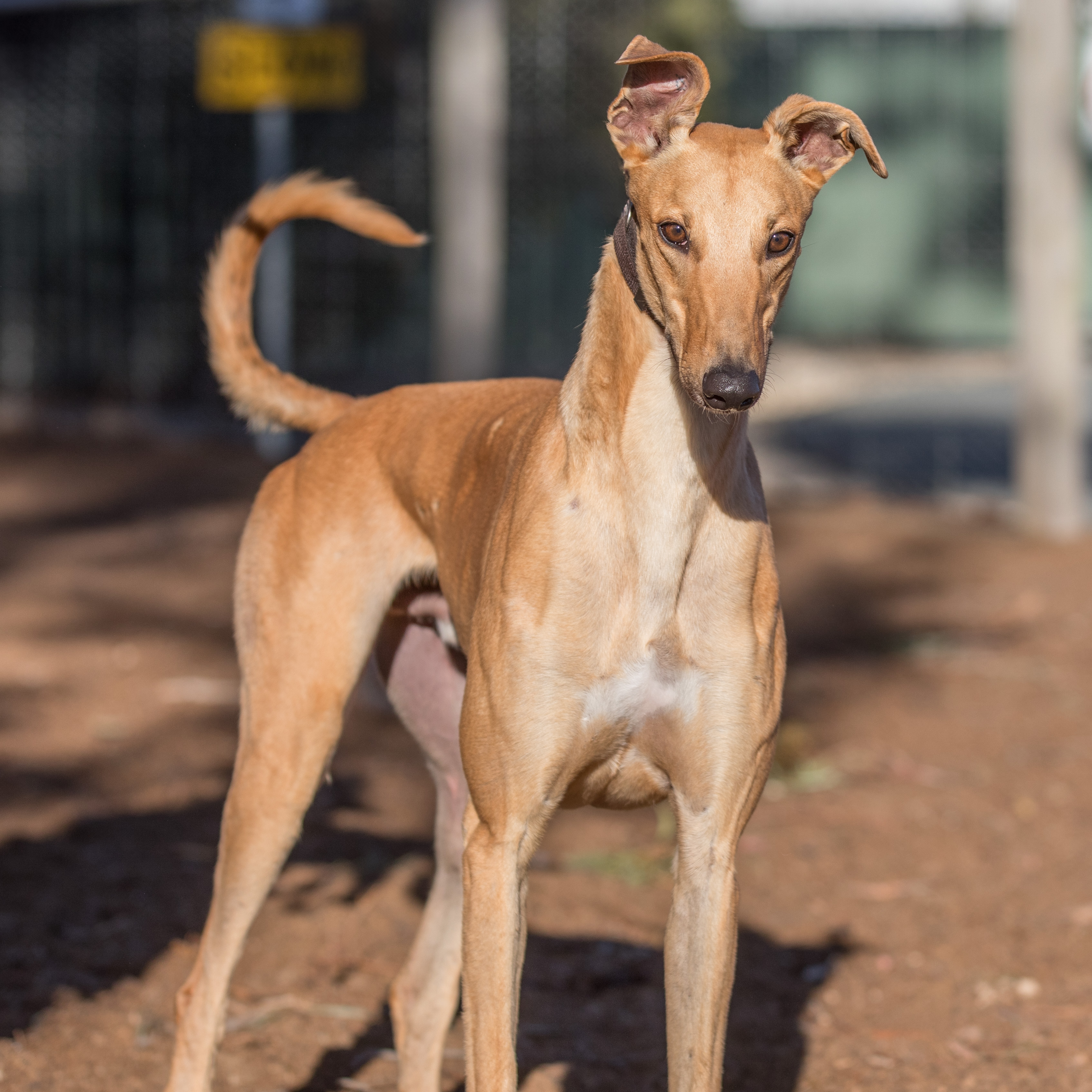
Ben ARP

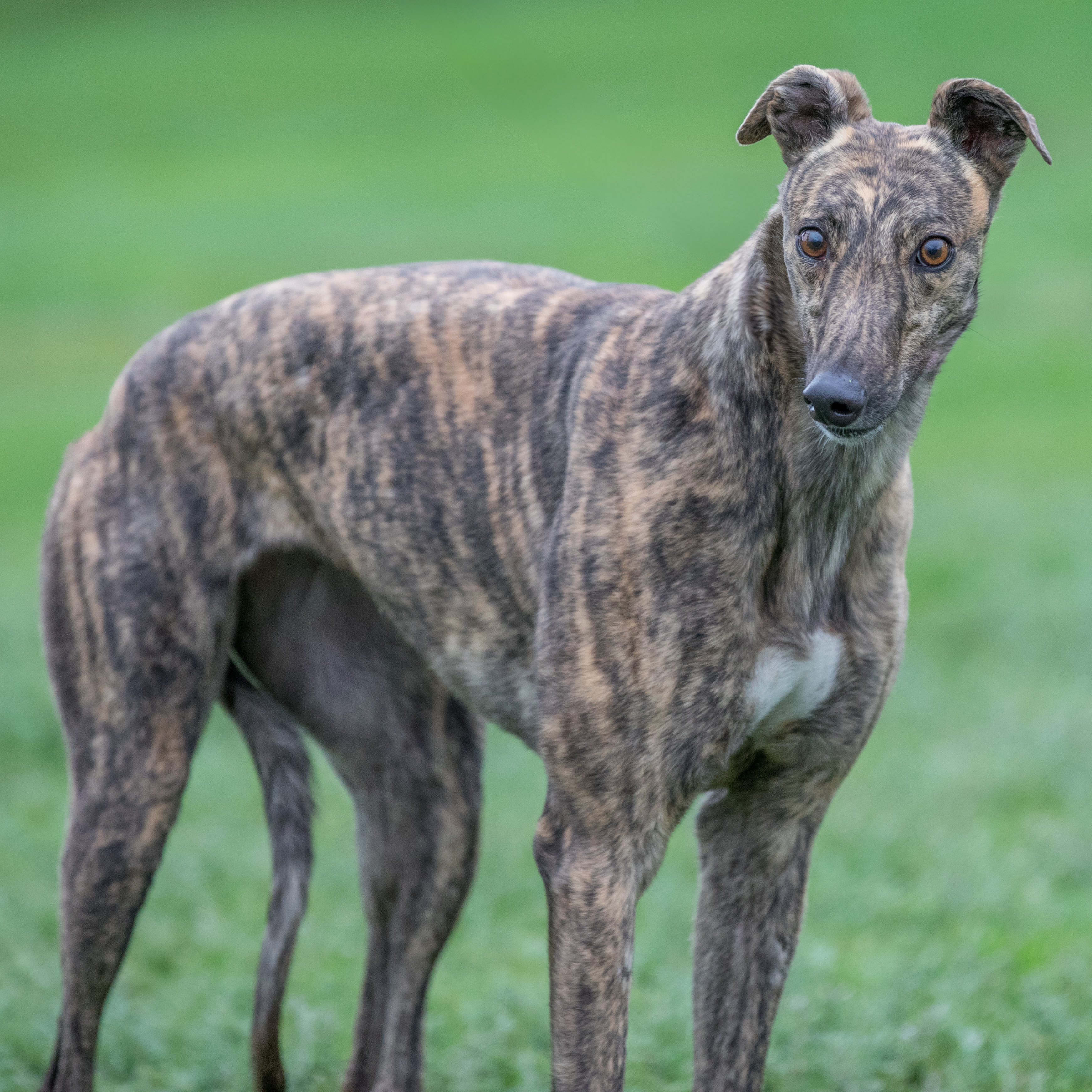
Audrea

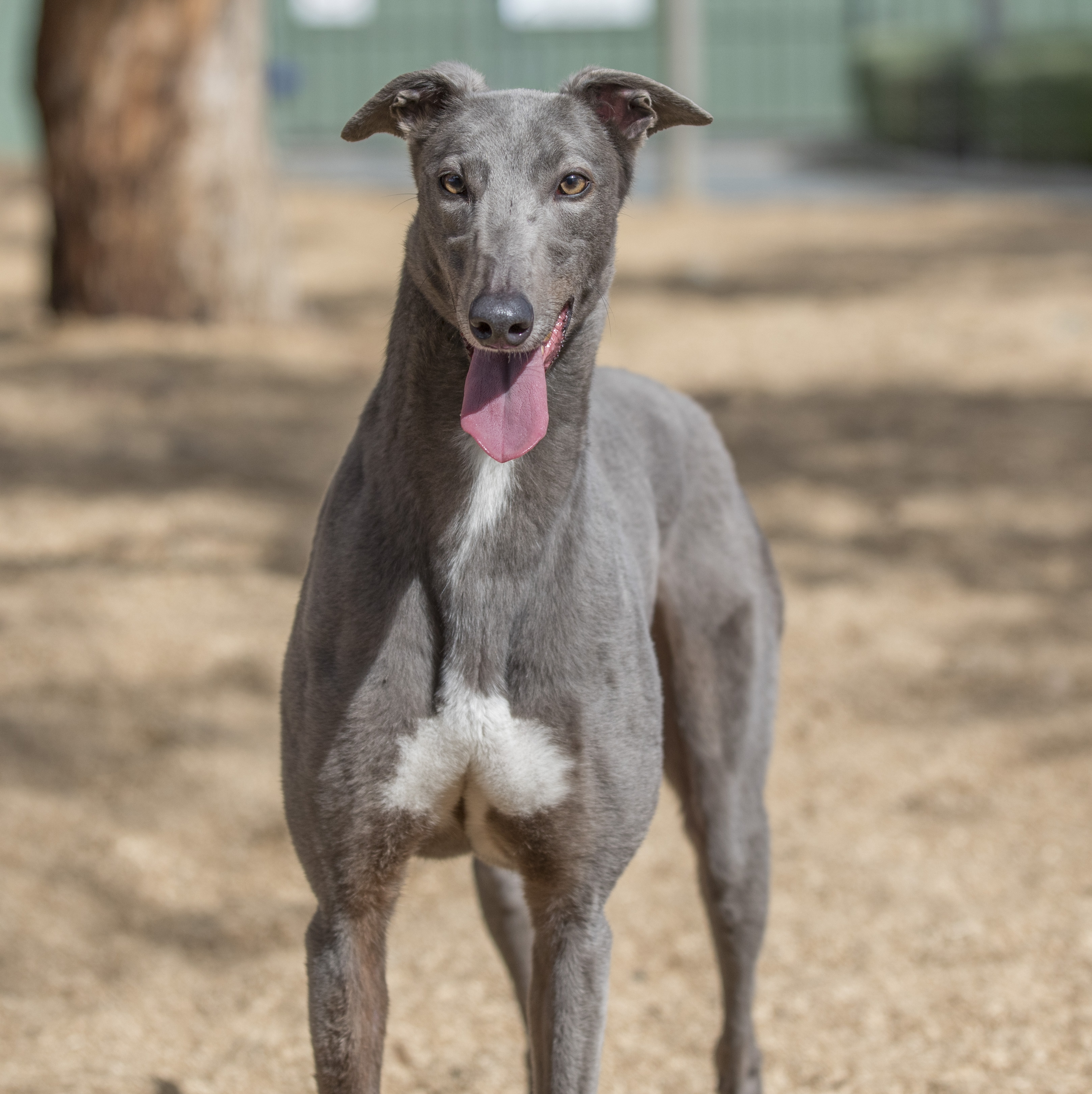
Birdie
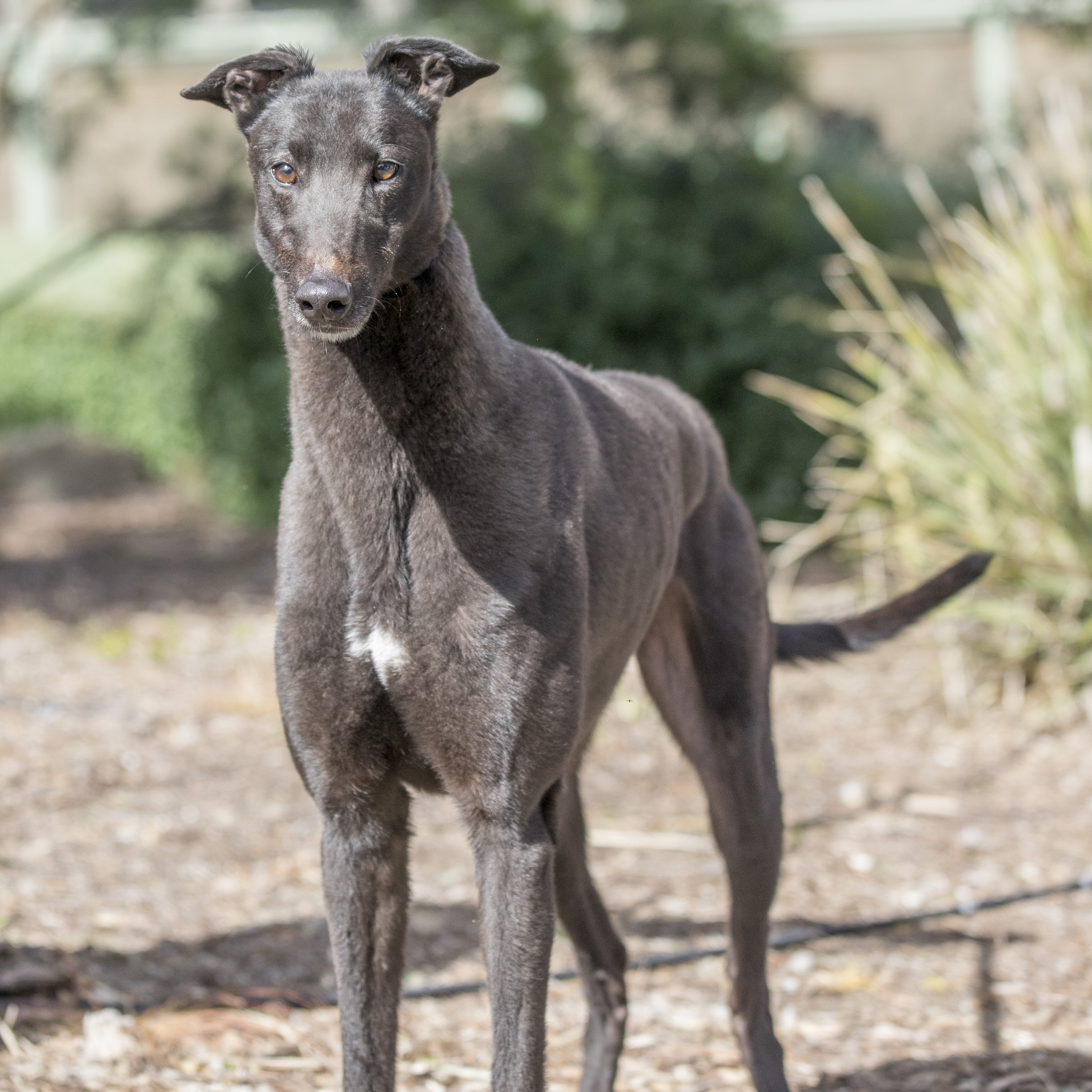
Crippa
Russia

Scooby
Moro
Maui

Kelli