
Understanding and Managing Prey Drive
Prey drive refers to an animal’s natural desire to chase and kill prey animals for food.
This exists in many animals and all breeds of dogs but in dogs is more evident in sight hounds (including greyhounds). It is also referred to as ‘predatory behaviour’ or ‘predation’, and mostly occurs when the dog is relaxed and in a positive mental state.
Prey drive is a very different behaviour to aggression which is usually anxiety or fear-based; where the dog is in a negative mental state. In the cases the aggression is a protective mechanism.
Many greyhounds have excellent skills when interacting with other greyhounds but may have limited or no experience with dogs of other breeds. As a result, some greyhounds become highly excited when they first meet dogs that don’t look, smell and act like greyhounds. Occasionally, a greyhound displays misdirected predatory behaviour towards other dogs, particularly small dogs or dogs with long coats; this behaviour is both socially inappropriate and unsafe.
It is important to understand that your greyhound may be well behaved with your other pets that it knows well and has a bond with; but can show predatory behaviour towards other unfamiliar small animals in different environments, such as at the park.
All GAP greyhounds are temperament tested and assessed for predatory behaviour towards small dogs. While this is the case, this assessment is done at a point in time and it is possible that prey-drive could present at a later date. As such, it is important that greyhound owners understand how to recognise signs of prey-drive.
Common predatory behaviours towards a small animal include:
- fixation and staring while at a distance;
- stalking or tracking while approaching or following the small animal;
- nose bunting, pawing, lunging, chasing, grabbing, hovering above or over the shoulder and neck area of the small animal; and
- signs of high arousal including upright and tense posture, teeth chattering and drooling, quickening of movement, and an upright stiff tail that is wagging quickly.
If you observe your greyhound displaying any of these behaviours, you should contact GAP on (03) 5799 0166 for advice.


_51505627.jpg)


.jpg)

.png)

Meet our dogs ready for adoption
All greyhounds adopted from GAP are de-sexed, vaccinated, microchipped, wormed and health checked.

Name
0 Years Old
Lorem ipsum dolor sit amet, consectetur adipiscing elit, sed do eiusmod tempor incididunt ut labore et dolore magna aliqua. Ut enim ad minim veniam, quis nostrud exercitation ullamco laboris nisi ut aliquip ex ea commodo consequat. Duis aute irure dolor in reprehenderit in voluptate velit esse cillum dolore eu fugiat nulla.
Name
0 Years Old
Lorem ipsum dolor sit amet, consectetur adipiscing elit, sed do eiusmod tempor incididunt ut labore et dolore magna aliqua. Ut enim ad minim veniam, quis nostrud exercitation ullamco laboris nisi ut aliquip ex ea commodo consequat. Duis aute irure dolor in reprehenderit in voluptate velit esse cillum dolore eu fugiat nulla.
Name
0 Years Old
Lorem ipsum dolor sit amet, consectetur adipiscing elit, sed do eiusmod tempor incididunt ut labore et dolore magna aliqua. Ut enim ad minim veniam, quis nostrud exercitation ullamco laboris nisi ut aliquip ex ea commodo consequat. Duis aute irure dolor in reprehenderit in voluptate velit esse cillum dolore eu fugiat nulla.
Name
0 Years Old
Lorem ipsum dolor sit amet, consectetur adipiscing elit, sed do eiusmod tempor incididunt ut labore et dolore magna aliqua. Ut enim ad minim veniam, quis nostrud exercitation ullamco laboris nisi ut aliquip ex ea commodo consequat. Duis aute irure dolor in reprehenderit in voluptate velit esse cillum dolore eu fugiat nulla.
Name
0 Years Old
Lorem ipsum dolor sit amet, consectetur adipiscing elit, sed do eiusmod tempor incididunt ut labore et dolore magna aliqua. Ut enim ad minim veniam, quis nostrud exercitation ullamco laboris nisi ut aliquip ex ea commodo consequat. Duis aute irure dolor in reprehenderit in voluptate velit esse cillum dolore eu fugiat nulla.
Name
0 Years Old
Lorem ipsum dolor sit amet, consectetur adipiscing elit, sed do eiusmod tempor incididunt ut labore et dolore magna aliqua. Ut enim ad minim veniam, quis nostrud exercitation ullamco laboris nisi ut aliquip ex ea commodo consequat. Duis aute irure dolor in reprehenderit in voluptate velit esse cillum dolore eu fugiat nulla.
Little Man

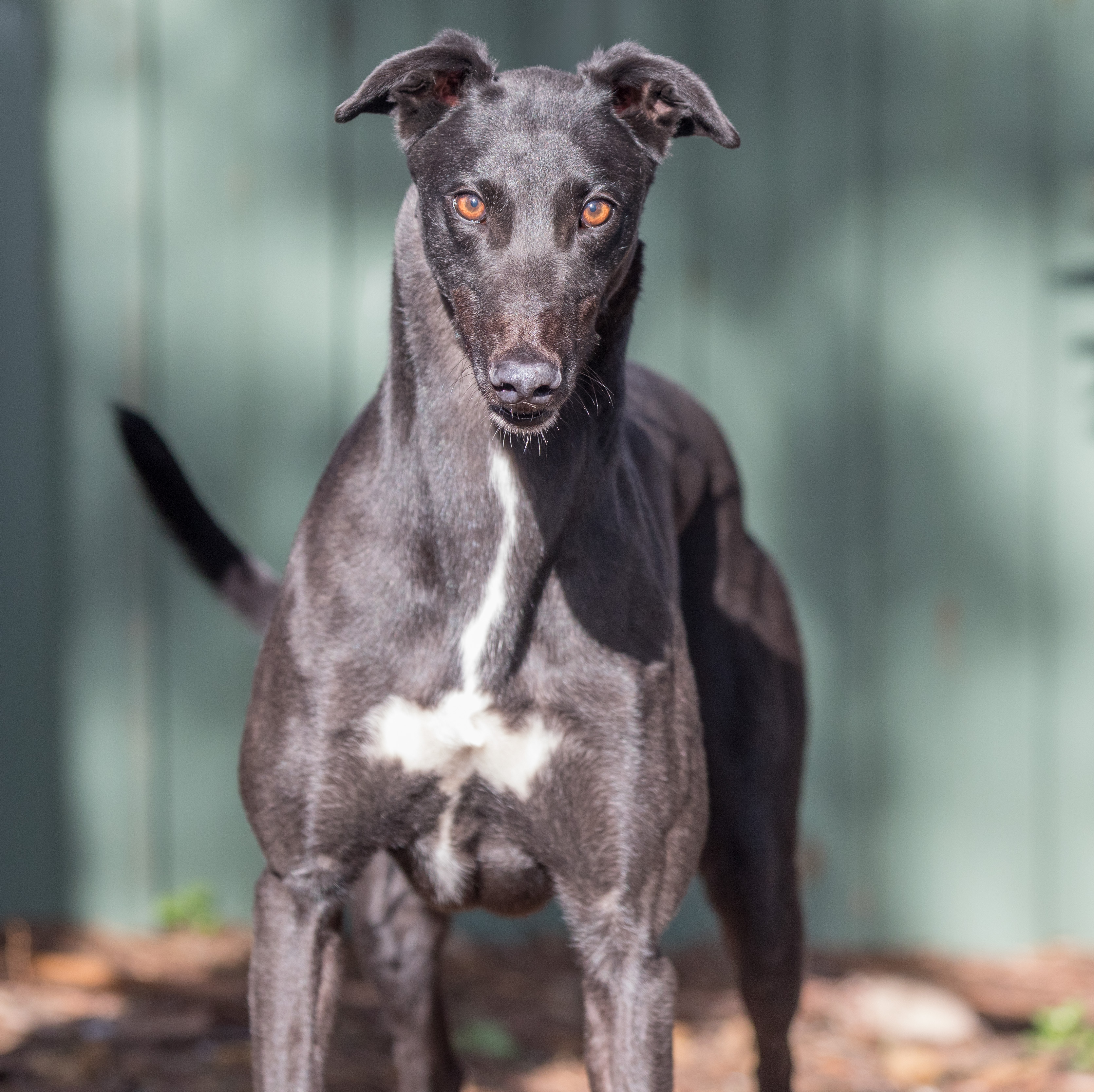
Brasi
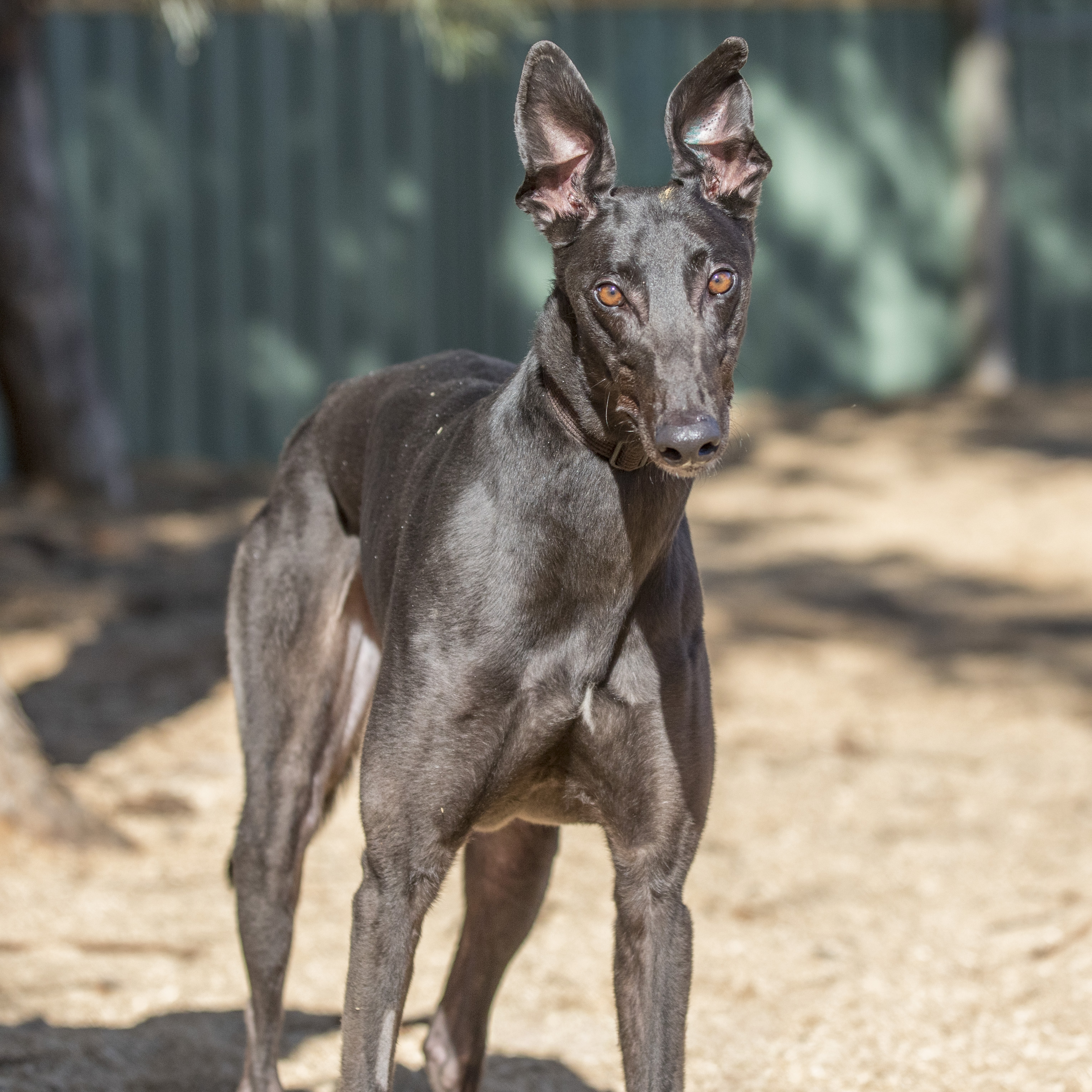
Marlowe
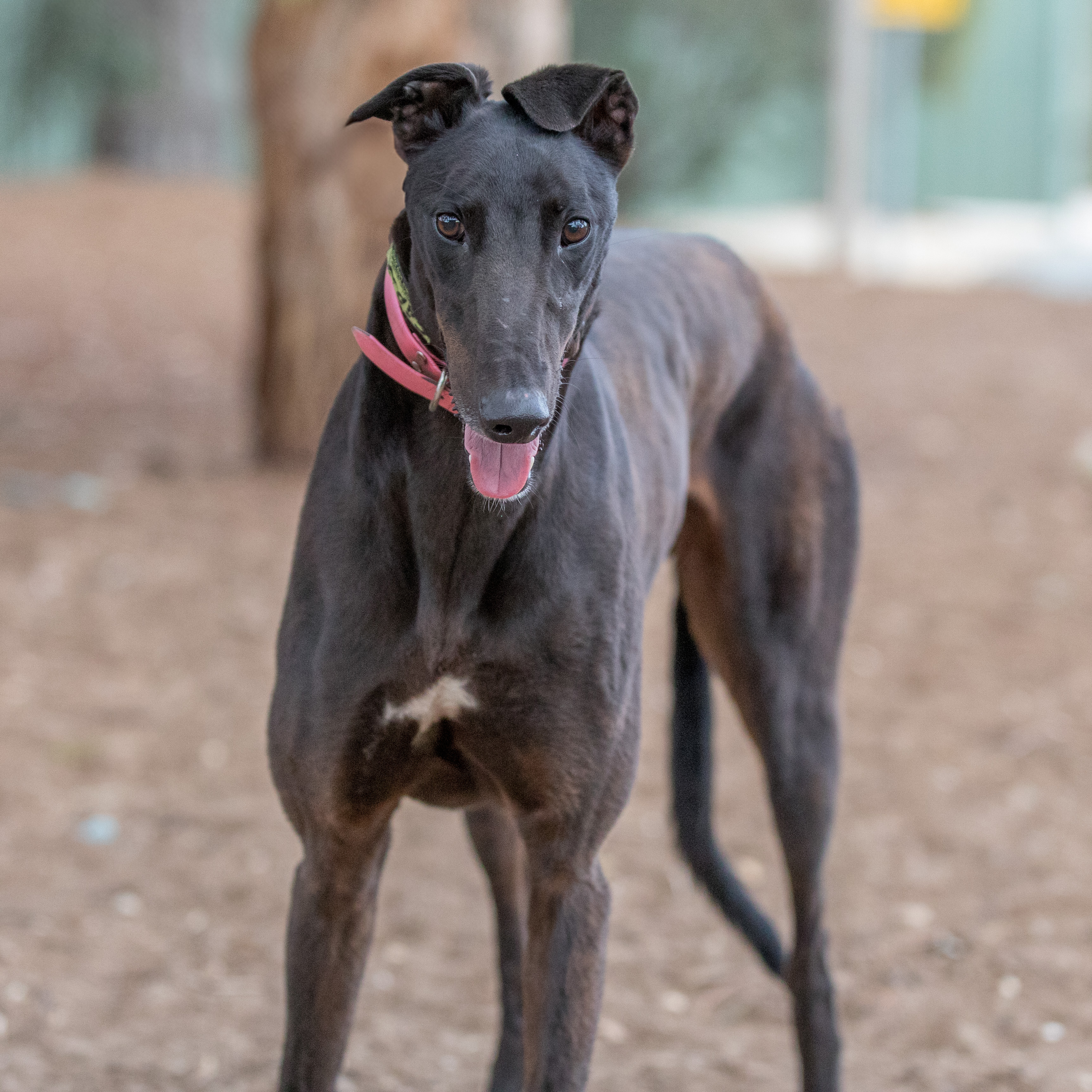
Maverick
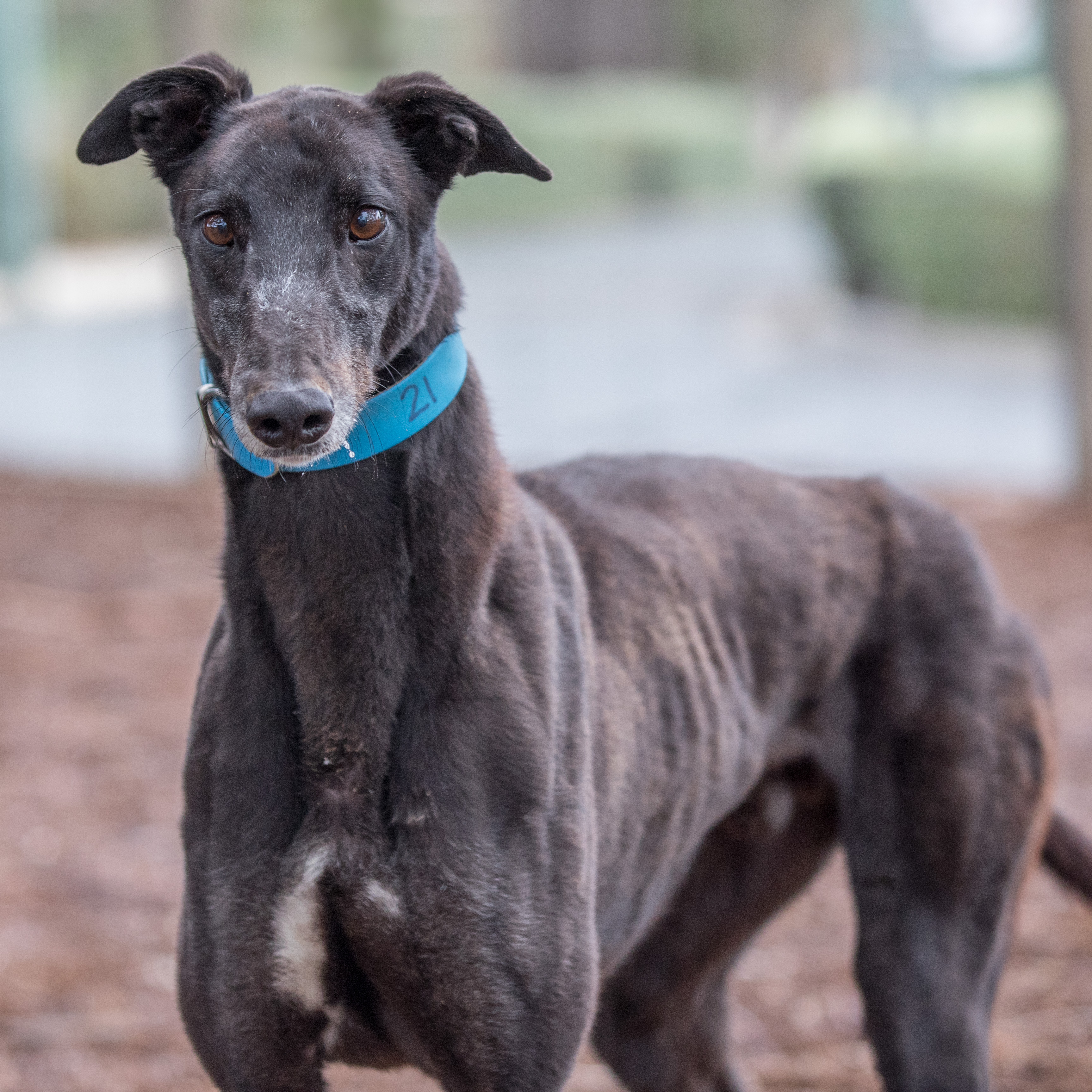
Targan
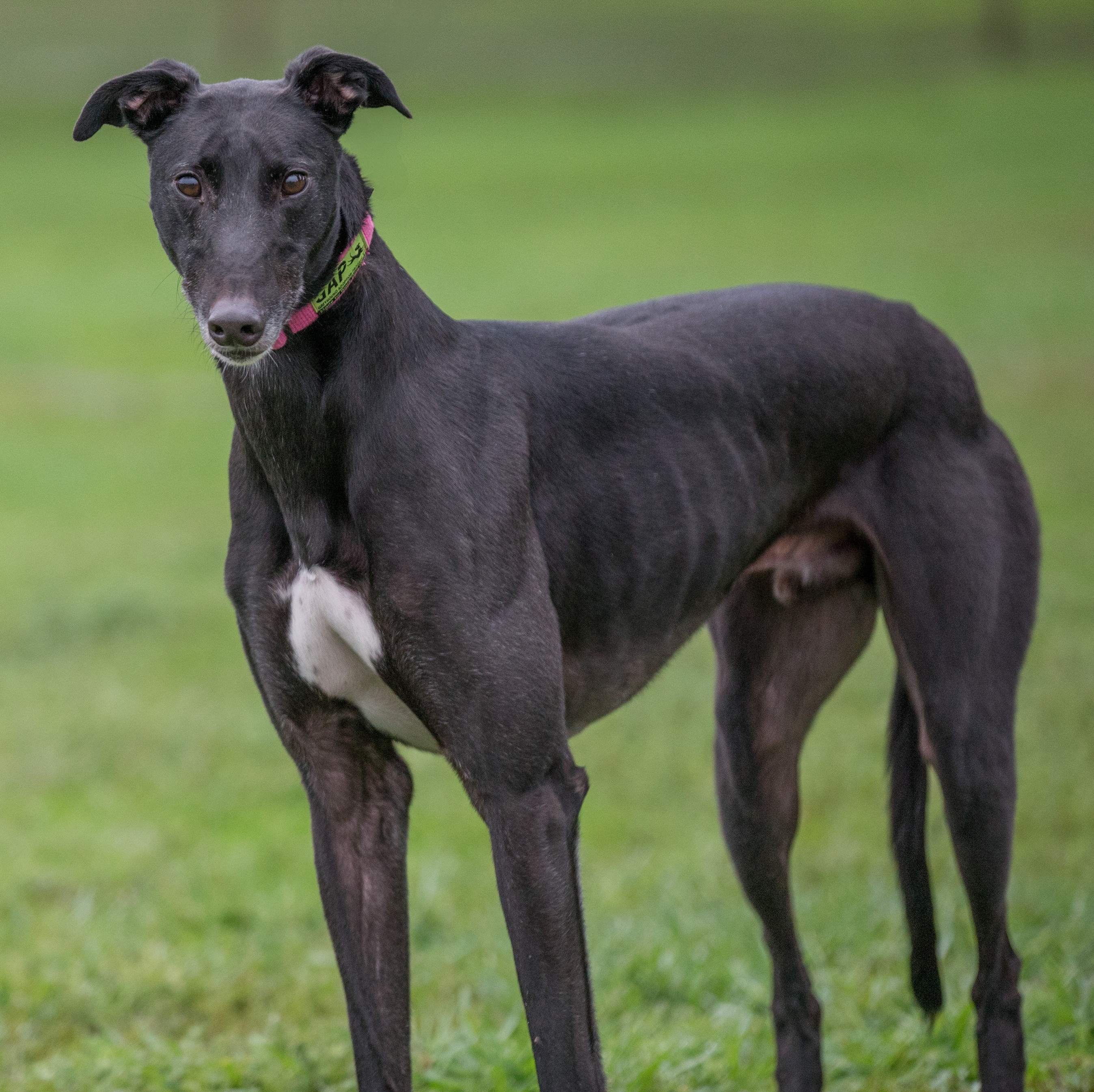
Ginny
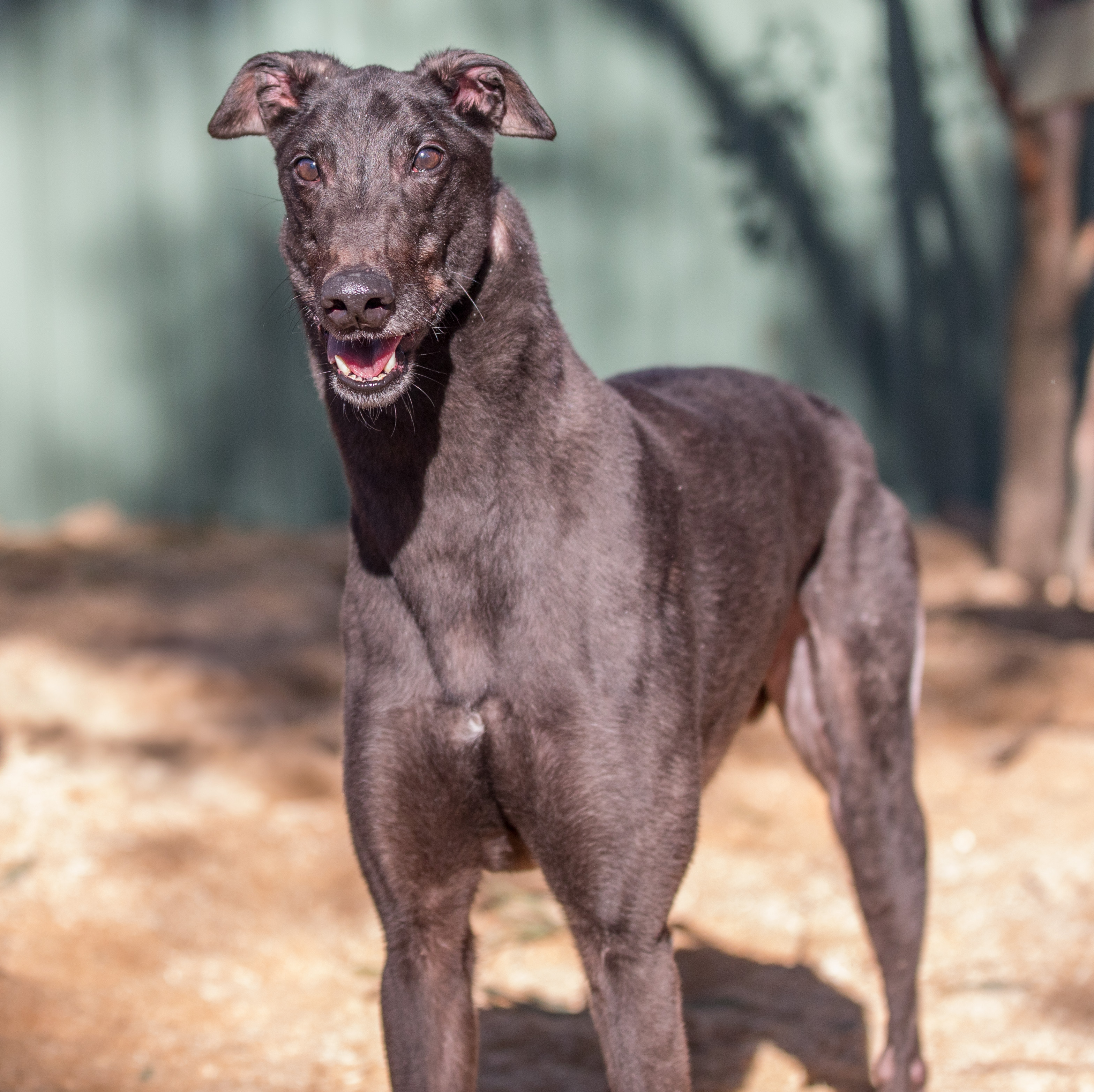
Cecil
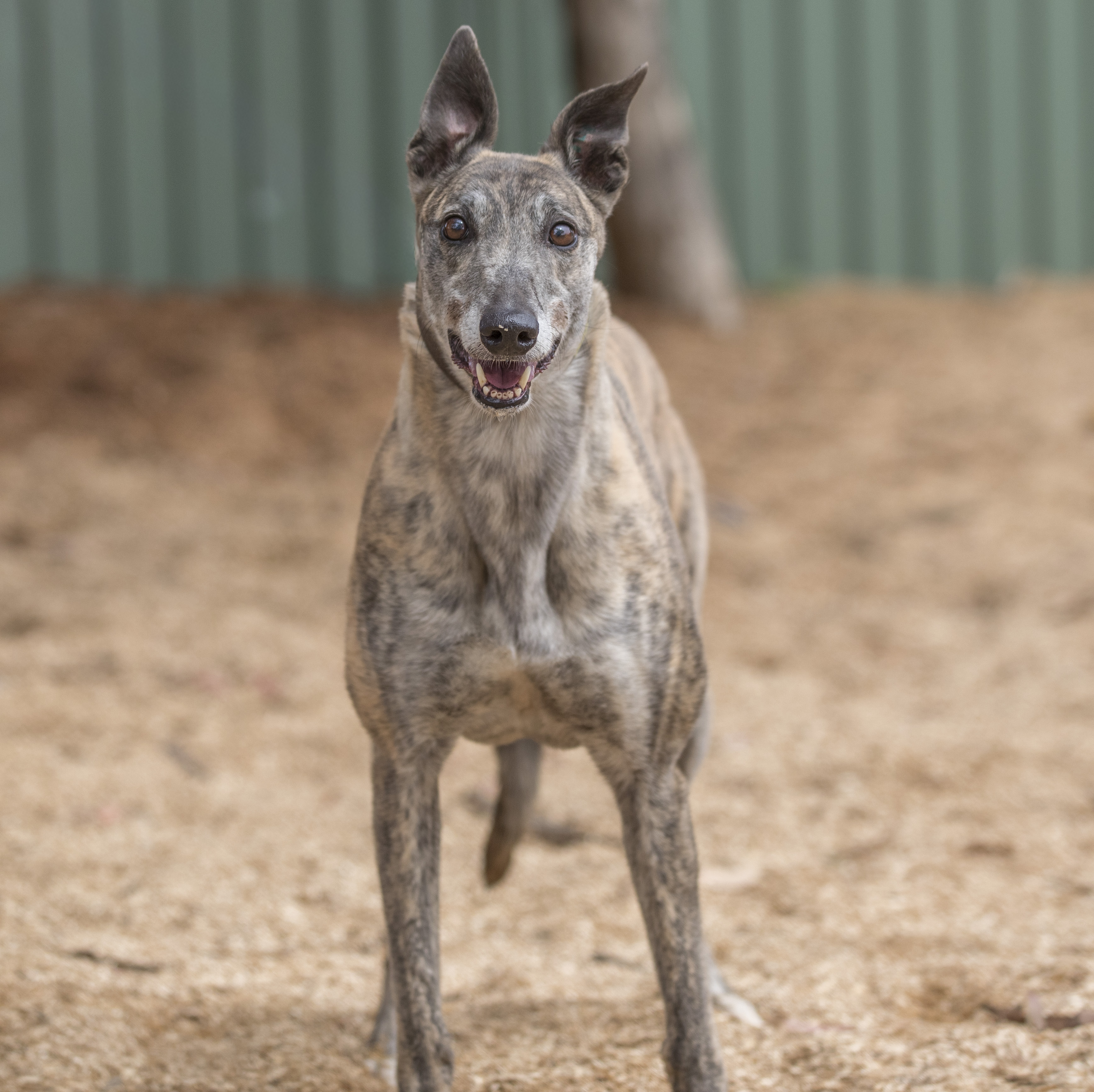
Missy


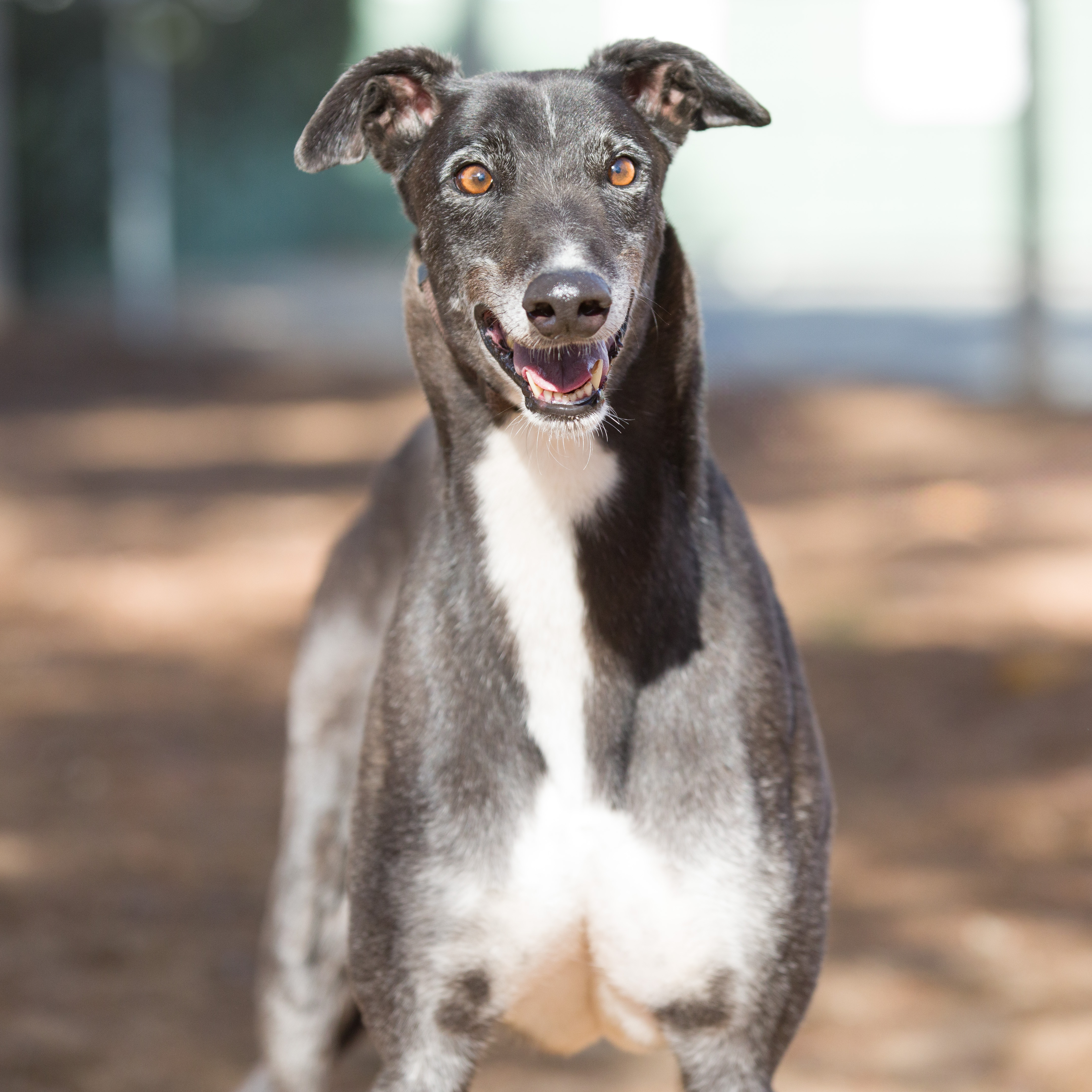
Frank

Belle
