.png)
Introducing Your Feline Friend
So you've been matched with a cat tolerant greyhound. Congratulations! With careful introductions, patience, and ongoing management, many greyhounds and cats can learn to live happily together.
While some greyhounds show little interest in cats, it is important to remember that all dogs have a natural instinct to chase moving animals. Greyhounds have been bred for generations to be highly responsive to movement, so even a greyhound that has passed cat assessment testing may react if a cat suddenly runs, darts past, or behaves unexpectedly.
Cat tolerance assessments provide valuable information about how a greyhound may behave around cats, but no assessment can guarantee behaviour in every environment or situation. Every greyhound is an individual, and introductions should always be approached with care.
Before the First Meeting
Before bringing your greyhound home, create safe spaces for your cat. Cats cope best when they have options to retreat and observe from a distance.
Consider providing:
- Baby gates that allow the cat to move freely while limiting the greyhound's access
- Elevated resting areas such as cat trees, shelves, or furniture
- Separate feeding, sleeping, and litter tray areas
- Quiet spaces where your cat can retreat without being followed
This allows your cat to feel secure and gives both pets opportunities to adjust to each other's presence at their own pace.
The First Introduction
Initial introductions should take place indoors in a calm environment with minimal distractions. Meeting a cat outside can be much more exciting for a greyhound and may increase the likelihood of a chase response.
Your greyhound should be:
- Wearing their muzzle
- Held on a leash by a responsible adult
- Calm and settled before entering the room
Your cat should be allowed to remain on the ground and move freely. Avoid holding your cat, as this can increase stress and prevent natural behaviour.
Allow both animals to observe each other from a comfortable distance. Keep sessions short and positive. Reward your greyhound for calm behaviour such as looking away from the cat, remaining relaxed, or responding to your cues.
During the first few days, some owners find it helpful to leave a lightweight leash attached to their greyhound while supervised indoors. This allows you to calmly interrupt or redirect behaviour if needed without having to grab your greyhound's collar. The leash should only be used when an adult is actively supervising and should never be left attached when the dog is unattended.
It is normal for both pets to be curious. Sniffing, observing, and calmly watching one another are all positive signs.
Positive Signs to Look For
Many greyhounds and cats need time to adjust, so do not expect instant friendship.
Encouraging signs include:
- Relaxed body posture
- Soft facial expressions
- Calm curiosity
- Choosing to disengage and walk away
- Settling down in the cat's presence
- Responding to their owner when redirected
Over time, many pets begin to ignore one another, which is often one of the strongest signs of a successful relationship.
Warning Signs
Owners should closely monitor their greyhound's behaviour around cats, particularly during the first few weeks.
Signs that your greyhound may be becoming overly interested include:
- Intense staring or fixation
- Becoming stiff or rigid
- Trembling with excitement
- Whining or chattering
- Lunging toward the cat
- Attempting to chase when the cat moves
- Ignoring owner cues or redirection
If you notice these behaviours, calmly increase distance between the animals and seek advice from the GAP team.
Understanding the Settling In Period
It is important to remember that many newly adopted greyhounds experience a settling in period, often referred to as the honeymoon phase. During the first few days or weeks, your greyhound may appear quieter, more reserved, or less interested in their surroundings as they adjust to life in a new home.
As your greyhound becomes more comfortable and confident, their true personality and behaviours may emerge. This is one reason why ongoing supervision and gradual introductions are so important, even if the initial meetings with your cat seem uneventful.
A greyhound that appears calm around a cat during the first few days may react differently once they have settled into their new environment. Taking introductions slowly allows both pets to build trust and confidence over time.
Moving Forward
As both pets become more comfortable, gradually increase the amount of time they spend together under supervision.
Even if your greyhound appears calm around your cat from day one, avoid rushing the process. Successful introductions are built over time, and continuing to use management tools such as a muzzle, leash, safe spaces, and supervision during the settling in period can help ensure both pets remain safe and comfortable.
Remember that a cat tolerant greyhound is not necessarily cat safe in every situation. A sudden movement, a burst of play, or an outdoor environment may trigger a chase response even in a greyhound that has previously behaved well around cats.
For this reason, extra care should be taken in gardens, parks, or other open spaces where a cat may run.
Supervision is Essential
Every greyhound and cat relationship develops at its own pace.
Until you are completely confident that both pets are safe and comfortable together, they should not be left unsupervised. This may take days, weeks, or longer depending on the individual animals involved.
Many successful greyhound and cat households continue to use sensible management practices throughout the pets' lives, including providing escape routes for the cat and monitoring interactions during periods of excitement.
The first interaction is not the final assessment. Continue to observe both pets over time and be prepared to slow things down if needed.
Patience Leads to Success
The first few weeks are all about building trust and positive experiences. By taking introductions slowly and allowing both pets to adjust at their own pace, you can help set the foundation for a happy and harmonious household.
If you would like assistance finding a cat tolerant greyhound, or if you have questions about introducing your greyhound to an existing cat, please contact the GAP team on (03) 5799 0166. We are always happy to help.



_51505627.jpg)


.jpg)


Meet our dogs ready for adoption
All greyhounds adopted from GAP are de-sexed, vaccinated, microchipped, wormed and health checked.

Name
0 Years Old
Lorem ipsum dolor sit amet, consectetur adipiscing elit, sed do eiusmod tempor incididunt ut labore et dolore magna aliqua. Ut enim ad minim veniam, quis nostrud exercitation ullamco laboris nisi ut aliquip ex ea commodo consequat. Duis aute irure dolor in reprehenderit in voluptate velit esse cillum dolore eu fugiat nulla.
Name
0 Years Old
Lorem ipsum dolor sit amet, consectetur adipiscing elit, sed do eiusmod tempor incididunt ut labore et dolore magna aliqua. Ut enim ad minim veniam, quis nostrud exercitation ullamco laboris nisi ut aliquip ex ea commodo consequat. Duis aute irure dolor in reprehenderit in voluptate velit esse cillum dolore eu fugiat nulla.
Name
0 Years Old
Lorem ipsum dolor sit amet, consectetur adipiscing elit, sed do eiusmod tempor incididunt ut labore et dolore magna aliqua. Ut enim ad minim veniam, quis nostrud exercitation ullamco laboris nisi ut aliquip ex ea commodo consequat. Duis aute irure dolor in reprehenderit in voluptate velit esse cillum dolore eu fugiat nulla.
Name
0 Years Old
Lorem ipsum dolor sit amet, consectetur adipiscing elit, sed do eiusmod tempor incididunt ut labore et dolore magna aliqua. Ut enim ad minim veniam, quis nostrud exercitation ullamco laboris nisi ut aliquip ex ea commodo consequat. Duis aute irure dolor in reprehenderit in voluptate velit esse cillum dolore eu fugiat nulla.
Name
0 Years Old
Lorem ipsum dolor sit amet, consectetur adipiscing elit, sed do eiusmod tempor incididunt ut labore et dolore magna aliqua. Ut enim ad minim veniam, quis nostrud exercitation ullamco laboris nisi ut aliquip ex ea commodo consequat. Duis aute irure dolor in reprehenderit in voluptate velit esse cillum dolore eu fugiat nulla.
Name
0 Years Old
Lorem ipsum dolor sit amet, consectetur adipiscing elit, sed do eiusmod tempor incididunt ut labore et dolore magna aliqua. Ut enim ad minim veniam, quis nostrud exercitation ullamco laboris nisi ut aliquip ex ea commodo consequat. Duis aute irure dolor in reprehenderit in voluptate velit esse cillum dolore eu fugiat nulla.
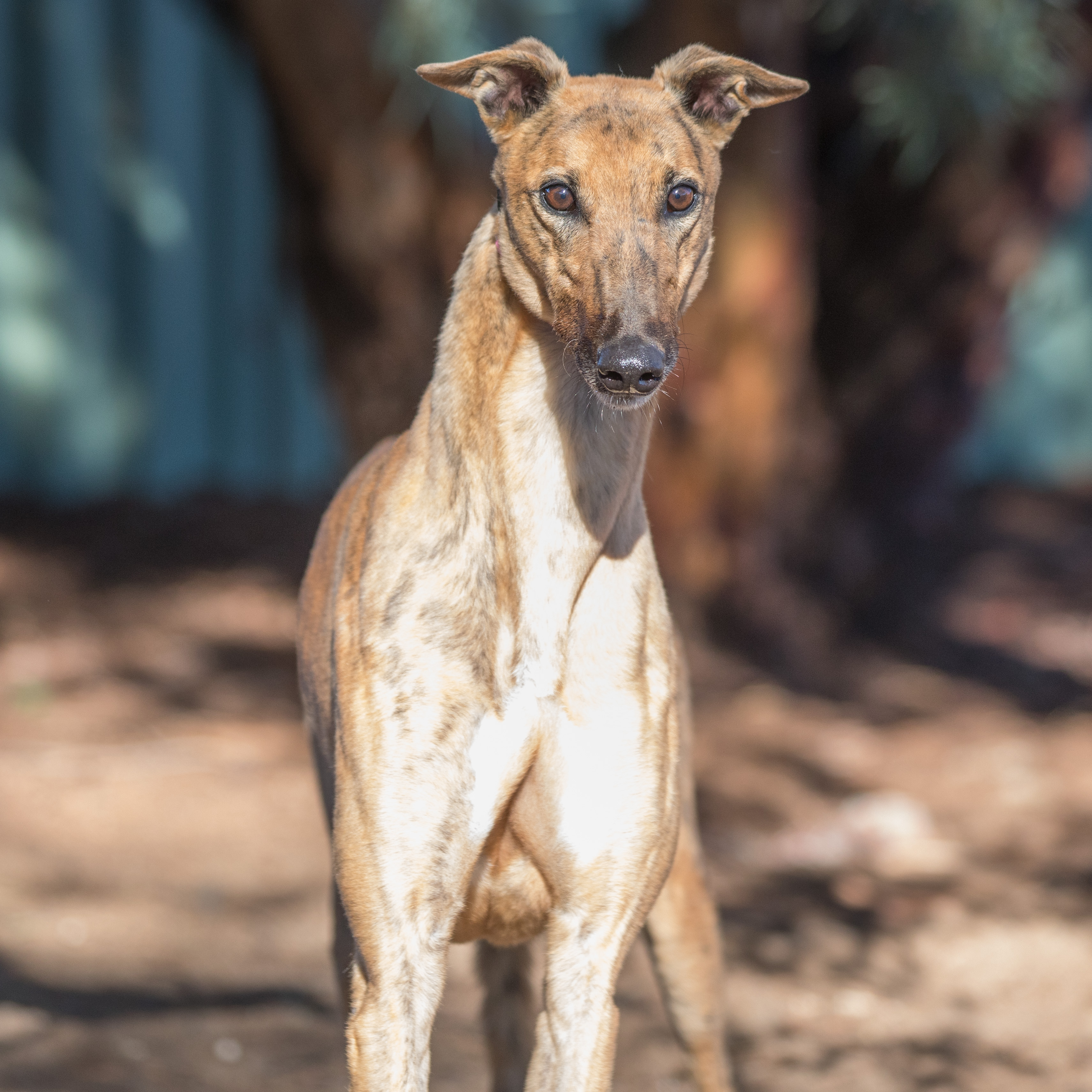
Tiger

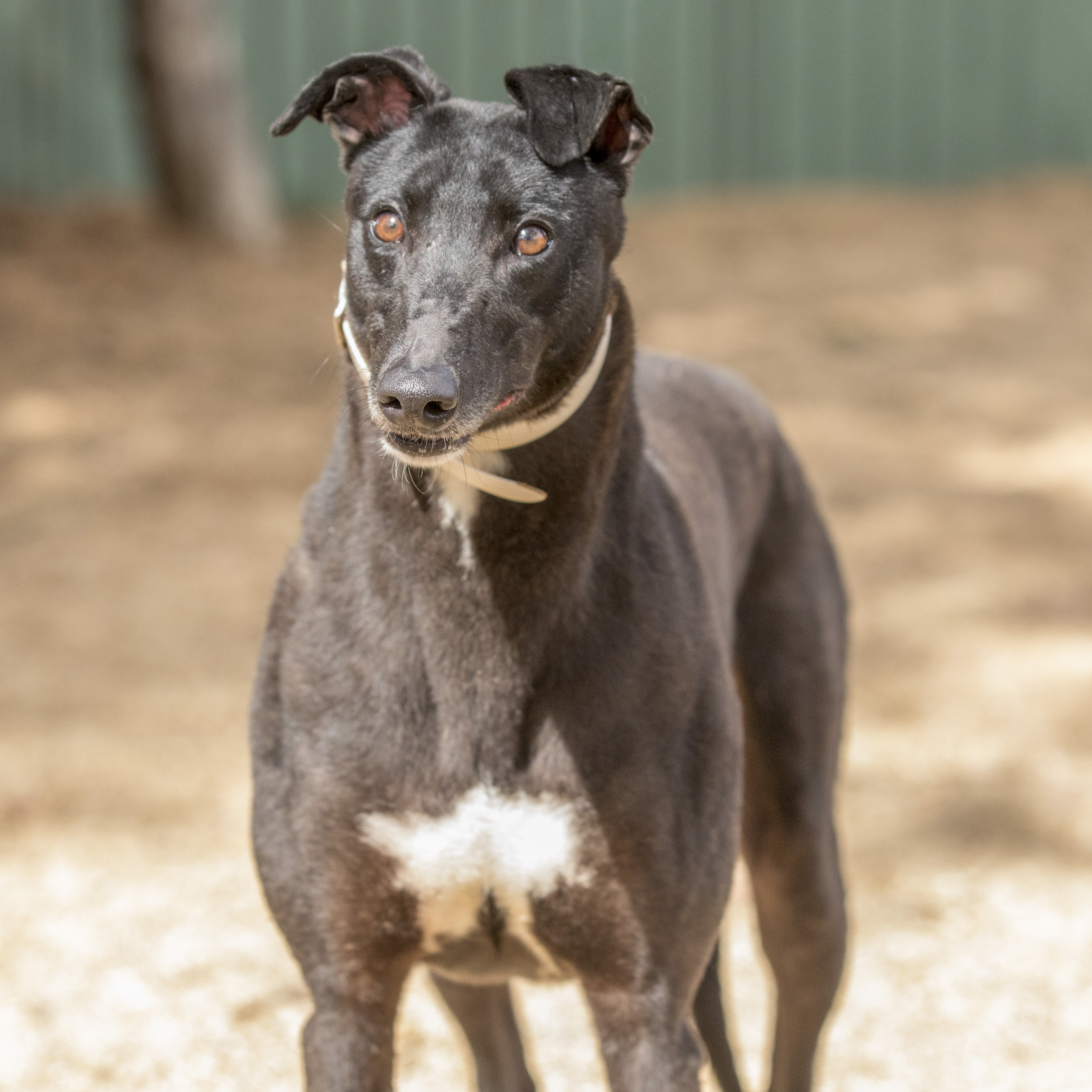
Nace ARP
Nace may be one of the happiest greyhounds you will ever meet! She is so sweet, personable, and affectionate - she just wants to be in your pocket! She can be playful and puppyish at times, but that just adds to her funny personality! She may be happy to live with or without another medium or large canine companion and children aged 10 years and over. She may even suit living with full time workers.
This greyhound is part of our Assisted Rehoming Program (ARP). Through this program, greyhounds stay with their current owners while they wait to find their perfect forever home.
If you're interested in adopting this dog, we'll arrange for them to come into GAP specifically for you to meet and complete the adoption process. Since the dog is being brought into the program based on your interest, we ask that applicants be reasonably confident this is the greyhound they'd like to welcome into their family. Unlike our standard adoption process, you won't be able to meet multiple dogs at the same time however our team will share lots of information about this greyhound to help you determine if they're the perfect match for your family.
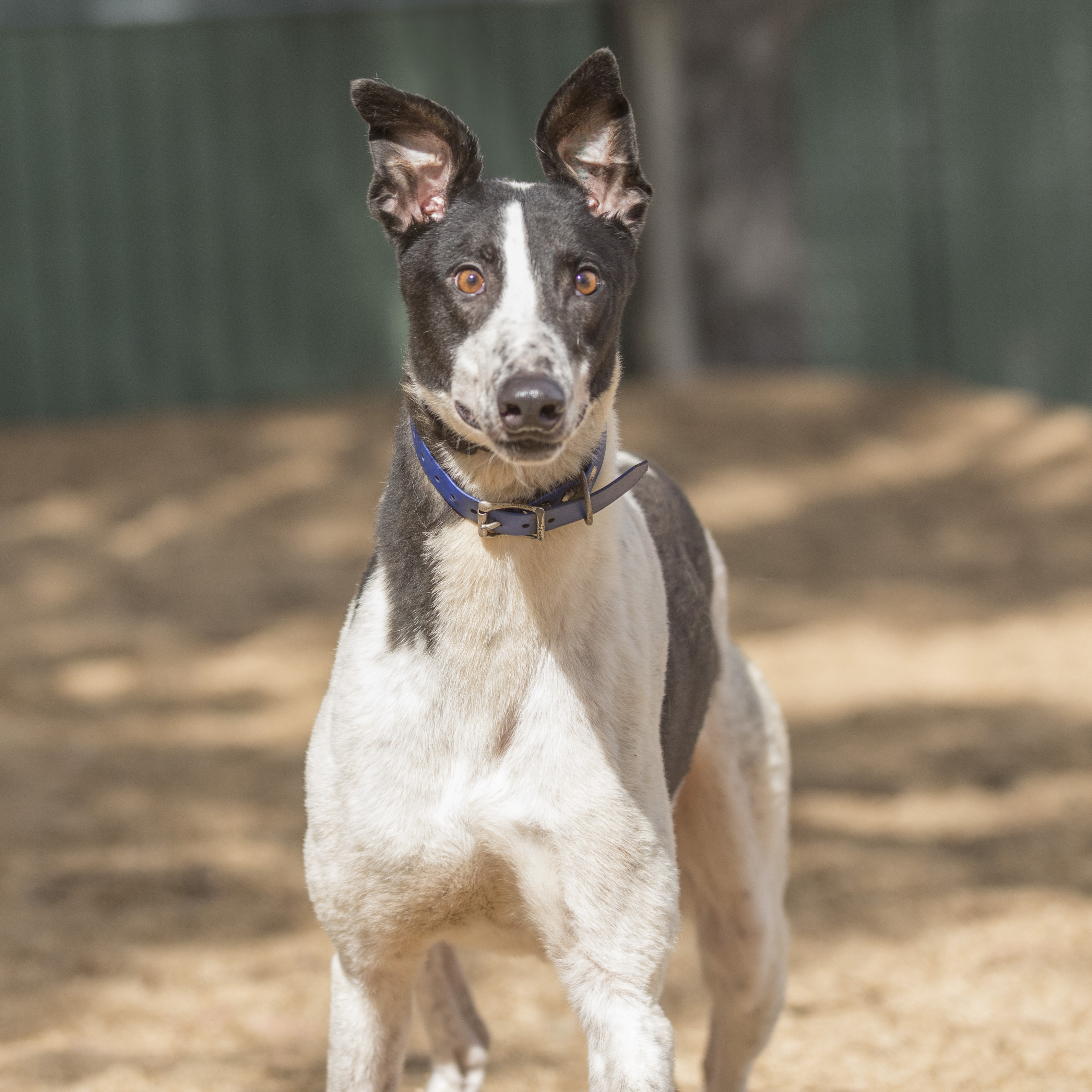
Willy ARP
Are you looking for a quiet, calm, and polite gentleman? Then Willy is your guy! He is an absolute sweetheart and should settle in quickly. He seeks affection from his people, and likes to lean on you for comfort. He may suit living in a home with or without another medium or large canine companion but may suit living with children aged 5 years and over.
This greyhound is part of our Assisted Rehoming Program (ARP). Through this program, greyhounds stay with their current owners while they wait to find their perfect forever home.
If you're interested in adopting this dog, we'll arrange for them to come into GAP specifically for you to meet and complete the adoption process. Since the dog is being brought into the program based on your interest, we ask that applicants be reasonably confident this is the greyhound they'd like to welcome into their family. Unlike our standard adoption process, you won't be able to meet multiple dogs at the same time however our team will share lots of information about this greyhound to help you determine if they're the perfect match for your family.
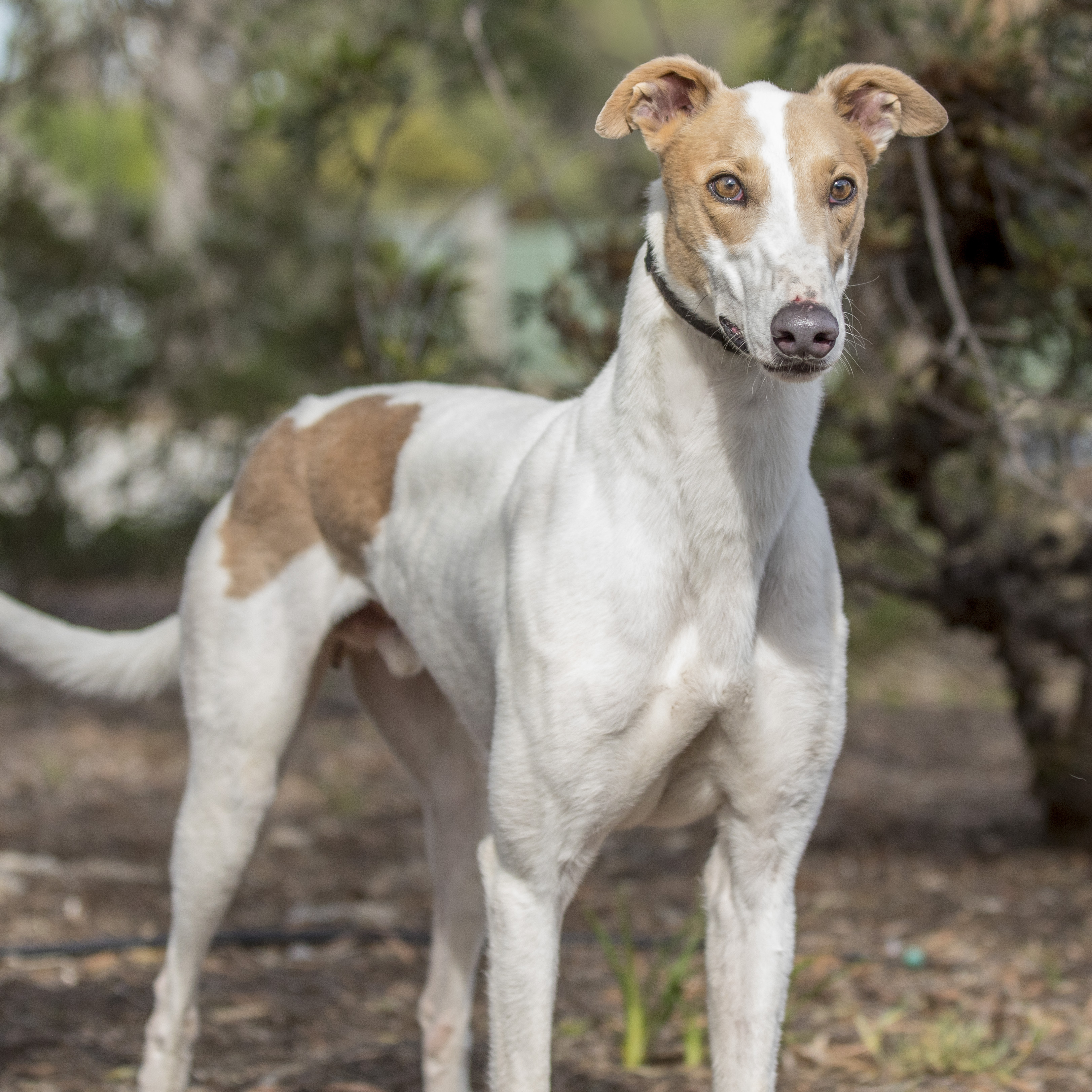
Gaz ARP


Meet Gaz, he is a very handsome boy with a lovely personality. He is super social, friendly, and affectionate, whilst oozing confidence. He is looking for a home with another dog of any size for company, and he may suit living with children aged 10 years and over. This happy boy has his bags packed and is ready for his forever home!
This greyhound is part of our Assisted Rehoming Program (ARP). Through this program, greyhounds stay with their current owners while they wait to find their perfect forever home.
If you're interested in adopting this dog, we'll arrange for them to come into GAP specifically for you to meet and complete the adoption process. Since the dog is being brought into the program based on your interest, we ask that applicants be reasonably confident this is the greyhound they'd like to welcome into their family. Unlike our standard adoption process, you won't be able to meet multiple dogs at the same time however our team will share lots of information about this greyhound to help you determine if they're the perfect match for your family.
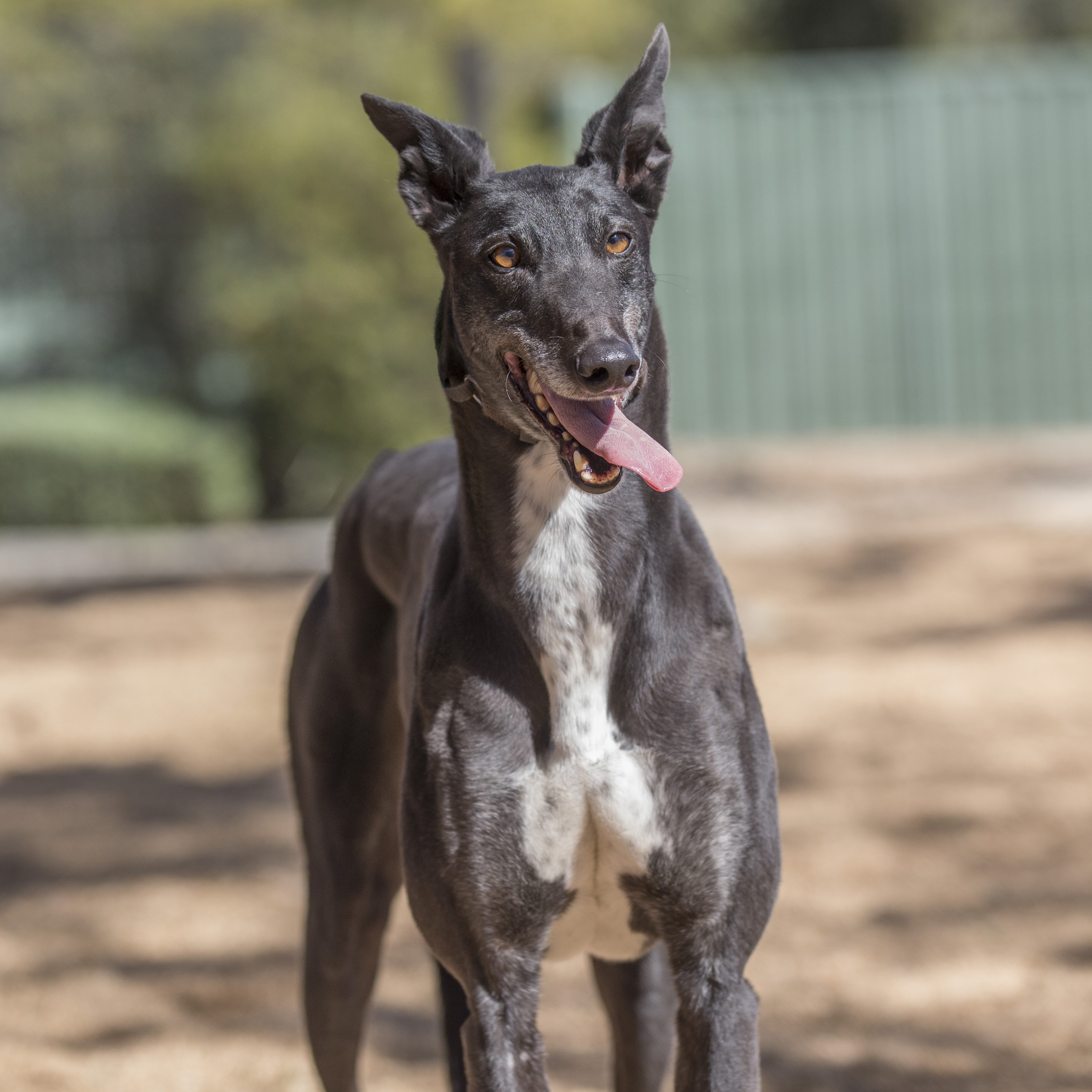
Nate

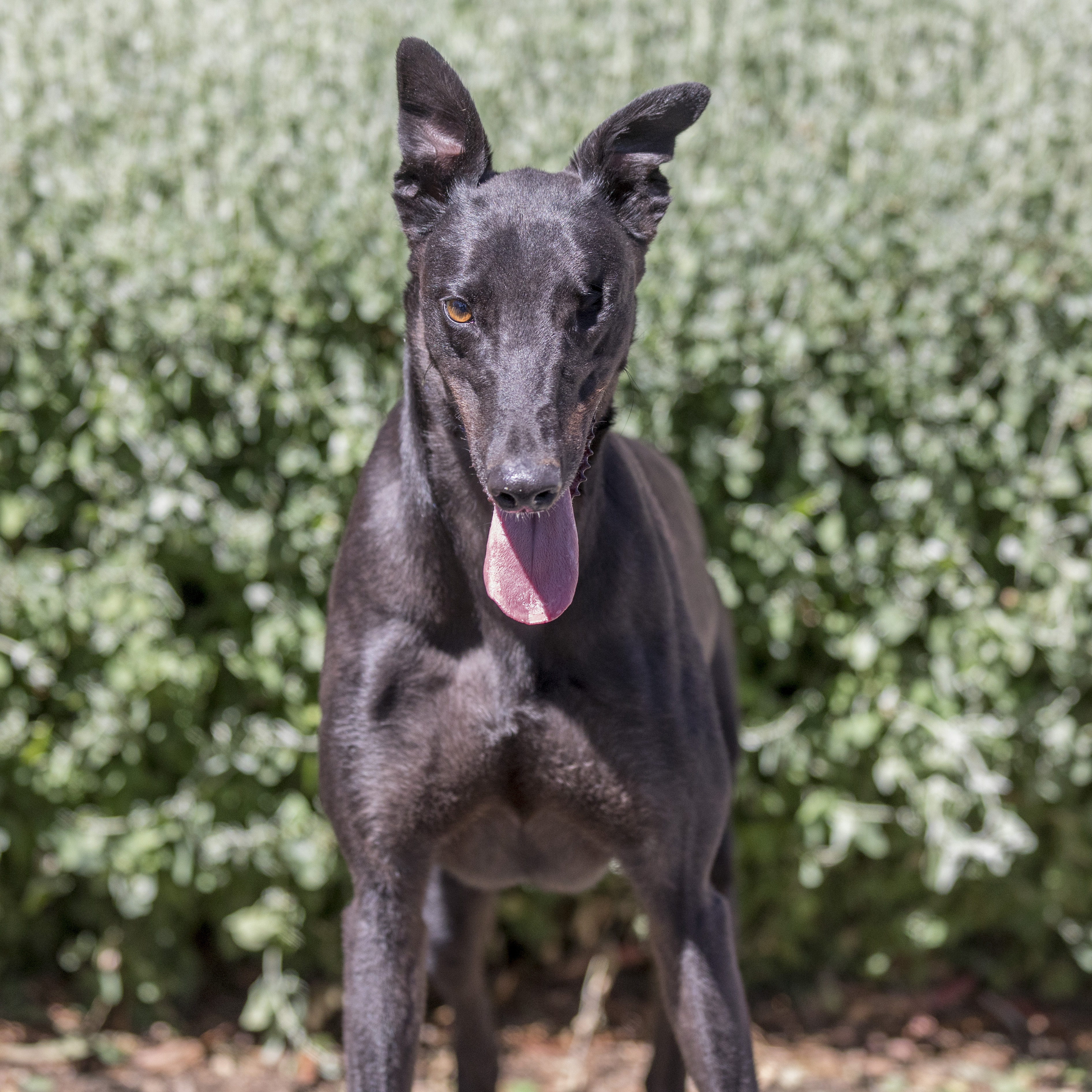
Cotton
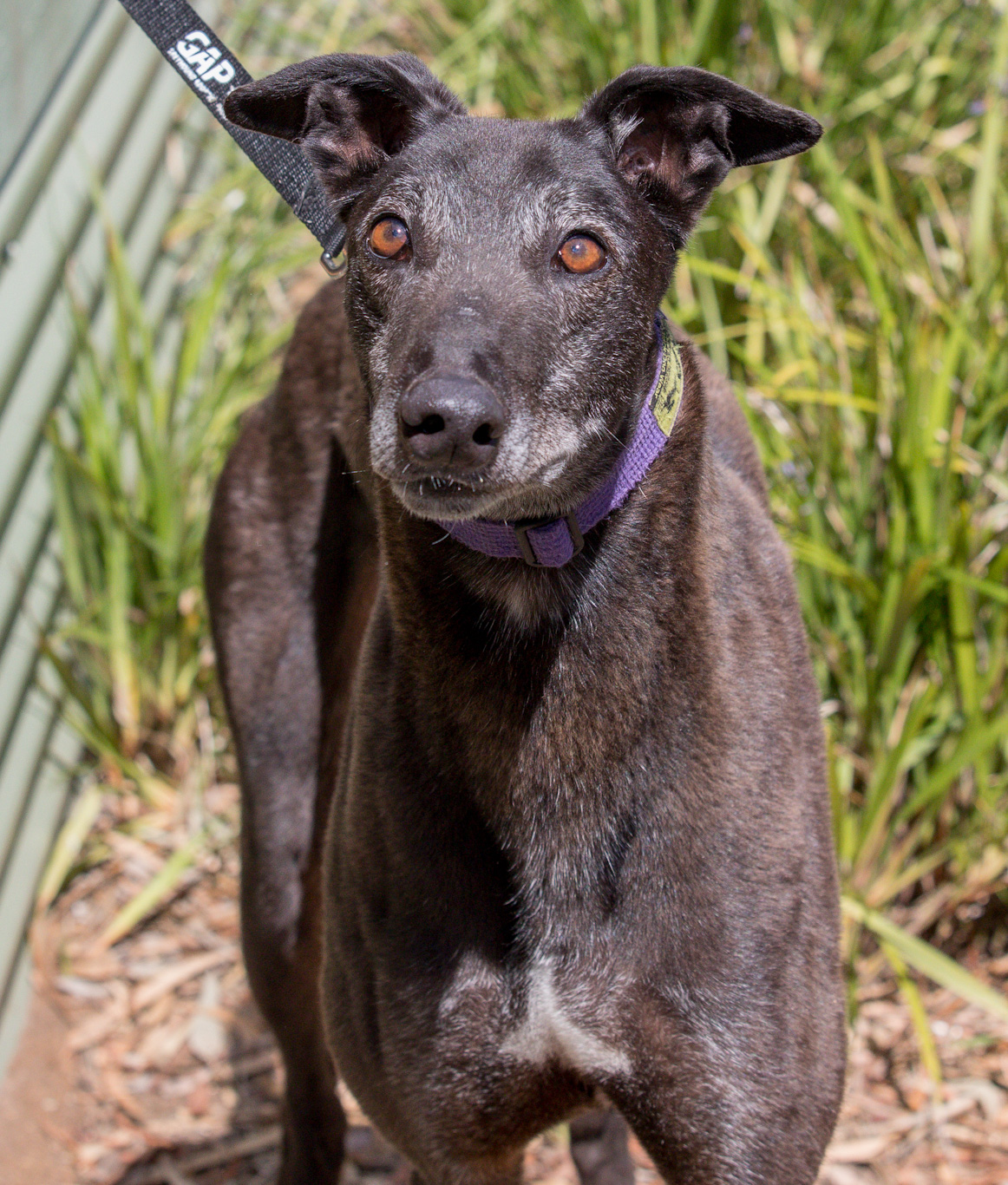
Quinn
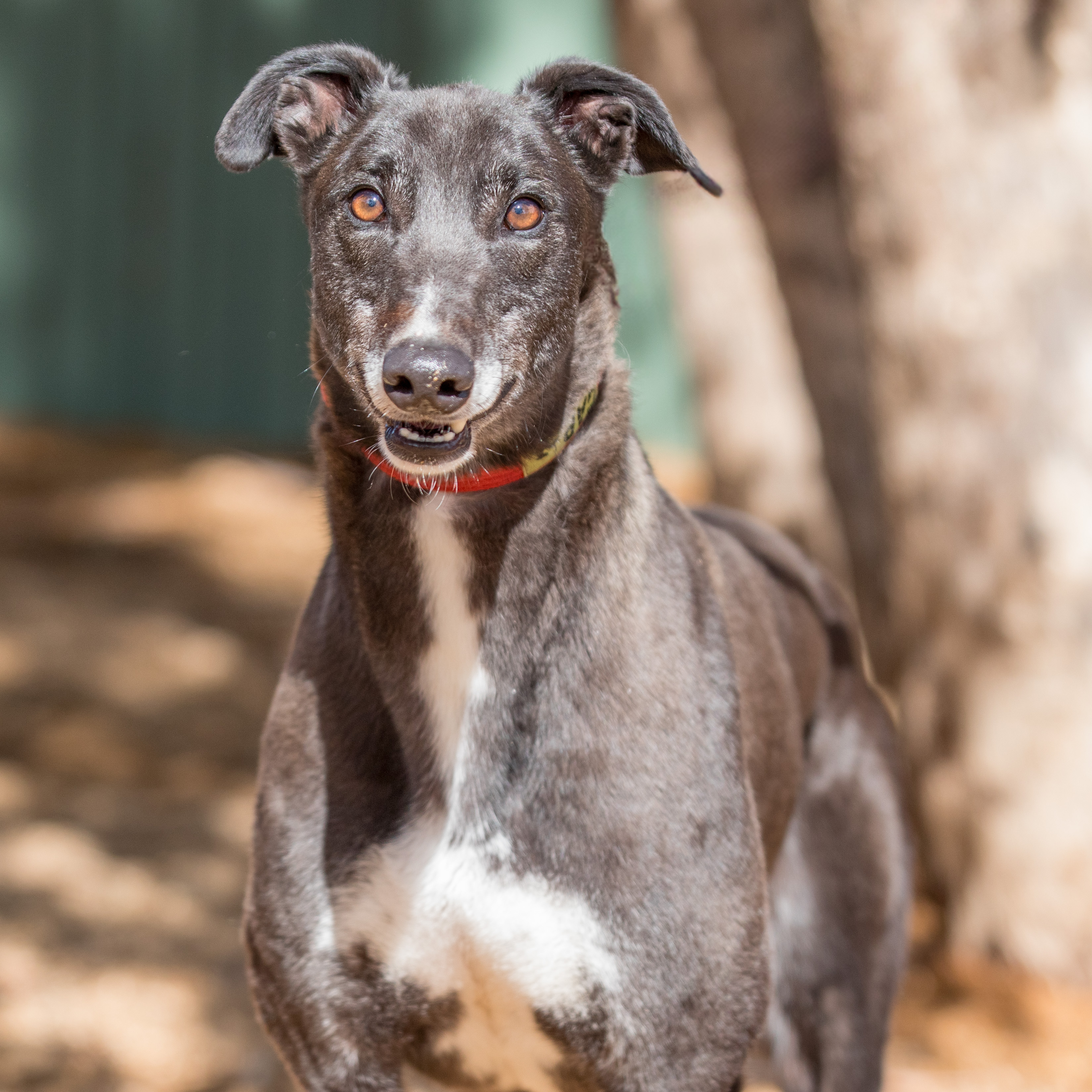
Michael
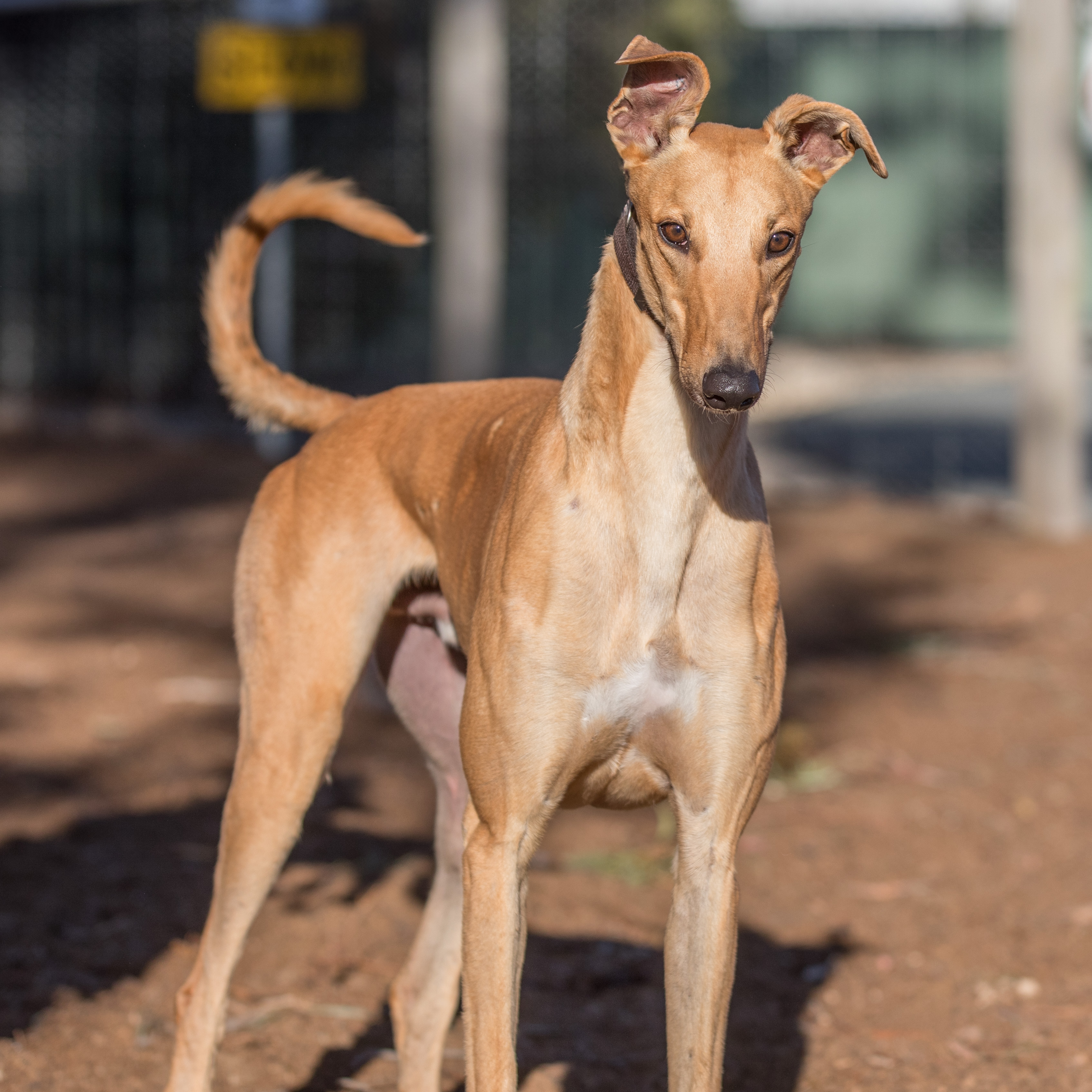
Ben ARP
Audrea