
Pulling On The Lead
My greyhound pulls terribly on the lead. It makes taking him for a walk a real chore!
Many dogs are very excited to leave on their daily walk. In the rush to get to the park they often learn to pull on the lead. Unfortunately we tend to actually reinforce this behaviour – the dog pulls and we follow along, and the end result is the dog learns it can get to the park faster if it pulls.
Most greyhounds are taught to walk on the leash as part of their race career training, but some younger dogs, or those that have never raced, may not have had a lot of training in this area. Others have only ever associated the leash with the excitement of racing, so their trained response is one of excitement and anticipation.
Apart from the obvious discomfort to our arms, there is also the risk that the dog will pull us over. For the dog, there are also physical consequences. For dogs wearing collars that tighten or choke, the consequence of constant pulling can be restriction of air intake, and restriction of blood flow to the entire head. Some dogs have even been shown to sustain damage to the sensitive retina in the eye due to sudden increases to blood pressure as the collar goes tight.
So how can I make the dog stop pulling?
Teaching the dog to walk on a loose leash is not an easy task. It takes time, patience, and most of all – consistency. The dog must learn that pulling will get it nowhere, and a loose leash will result in progress. By the time most people decide to train loose leash walking, their dog has been pulling for months or years. This means the pulling behaviour has been rewarded for a long time, and therefore the dog will think this is the correct response. It takes a while to fade this behaviour from the dog’s repertoire.
The idea is to teach the dog that the consequence of pulling is that the walk will stop. Therefore every time the leash goes tight, you will have to stop any forward progress and stand still. If you have a large dog, you might have to brace yourself a little as you stop. You can then work on encouraging your dog to move so that the lead loosens before heading off again.
Another option is to stop moving forward as the lead goes tight, but instead of standing still, walk off in another direction. You might turn around and go back the way you came, or you might just head off in another direction. If the dog races in front and starts to pull, you change direction again.
As you can imagine, both of these methods will mean you spend quite a bit of your walk stopped, or not moving forward, and you might not get very far on each walk. As your dog will still need a normal amount of exercise, so you might have to think of alternate ways to burn off some steam whilst you concentrate on teaching the dog the loose leash walking. Sometimes it is a good idea to burn off some steam before you start your walk so the dog is not quite as energetic as you try to concentrate on the loose leash.
It is also important that everyone who walks the dog follows the same steps. If you are working hard on the loose leash walking and then another family member takes the dog for a walk and lets it pull all the way to the park, you will find that you will make very little progress, and the dog will be confused as to what is correct. Every person walking the dog must do the same thing, and it must also happen on every walk. If you are too busy to spend time working on keeping the leash loose, don’t just let the dog pull again, maybe exercise the dog by throwing a toy in the backyard instead.
Is there equipment that can help reduce the pulling?
There are now many different pieces of equipment that are designed to help give owners a physical advantage. There are special harnesses designed to reduce pulling, and many different head collars that will help. Head collars fit over the head and nose of the dog, similar to a halter for a horse. They give the owner a way of controlling the head of the dog, which is helpful if your dog tends to be reactive in certain situations – maybe he really gets excited when people ride past on bikes, or when he sees a cat, small animals or other dogs.
Both harnesses and head collars have a mechanical effect, but the benefits of these will soon be lost if you just continue to let the dog pull. The idea is to stop walking as the lead goes tight, and let the equipment do its job. The lead is held steady, it is not jerked or pulled, and once the lead is loose, you can again move forward. Most people find that they have the best success in the shortest time by combining the training with the added assistance of the equipment.
Although there are many brands of head collar, greyhounds do quite well in the Halti brand ones as they tend to fit breeds of dogs with longer noses really well. The sizing on the packet of the Halti is a little misleading, and you usually need to buy a size or two smaller than you would expect – sometimes taking the dog with you to the shop, or having the head collar fitted by someone who understands how they should fit is the best way to make sure you get the right size.
Generally head collars need to be fitted so that the strap that goes around the back of the dog’s neck is quite firm. Because it sits high on the neck, it does not need to allow any space underneath – unlike fitting a collar. The leash attaches under the jaw of the greyhound, and many people choose to have the Halti ‘safety strap’ or a ‘connector’ fitted to the dog’s normal collar, in case the dog gets the Halti off.
If you are not sure about fitting or using a head-collar it is best to ask someone knowledgeable to show you how it is done. If you have trained dogs before using a choke or correction collar, you will need to be careful that you don’t jerk on the leash that is attached to the head collar in the same way or you may do damage to your greyhound’s neck. Instead, think of the head collar as ‘power steering’ with the act of you standing still and holding the leash steady having the desired effect.
Because sudden jerking on the leash will have the effect of turning the dog’s head too quickly, it is also advisable not to allow the greyhound to run on a long line which is attached to a head collar. This is simply because they can do serious damage if they race off at speed and hit the end of the line suddenly. It is safer to attach a long line to a flat collar.



_51505627.jpg)


.jpg)
.png)

Meet our dogs ready for adoption
All greyhounds adopted from GAP are de-sexed, vaccinated, microchipped, wormed and health checked.

Name
0 Years Old
Lorem ipsum dolor sit amet, consectetur adipiscing elit, sed do eiusmod tempor incididunt ut labore et dolore magna aliqua. Ut enim ad minim veniam, quis nostrud exercitation ullamco laboris nisi ut aliquip ex ea commodo consequat. Duis aute irure dolor in reprehenderit in voluptate velit esse cillum dolore eu fugiat nulla.
Name
0 Years Old
Lorem ipsum dolor sit amet, consectetur adipiscing elit, sed do eiusmod tempor incididunt ut labore et dolore magna aliqua. Ut enim ad minim veniam, quis nostrud exercitation ullamco laboris nisi ut aliquip ex ea commodo consequat. Duis aute irure dolor in reprehenderit in voluptate velit esse cillum dolore eu fugiat nulla.
Name
0 Years Old
Lorem ipsum dolor sit amet, consectetur adipiscing elit, sed do eiusmod tempor incididunt ut labore et dolore magna aliqua. Ut enim ad minim veniam, quis nostrud exercitation ullamco laboris nisi ut aliquip ex ea commodo consequat. Duis aute irure dolor in reprehenderit in voluptate velit esse cillum dolore eu fugiat nulla.
Name
0 Years Old
Lorem ipsum dolor sit amet, consectetur adipiscing elit, sed do eiusmod tempor incididunt ut labore et dolore magna aliqua. Ut enim ad minim veniam, quis nostrud exercitation ullamco laboris nisi ut aliquip ex ea commodo consequat. Duis aute irure dolor in reprehenderit in voluptate velit esse cillum dolore eu fugiat nulla.
Name
0 Years Old
Lorem ipsum dolor sit amet, consectetur adipiscing elit, sed do eiusmod tempor incididunt ut labore et dolore magna aliqua. Ut enim ad minim veniam, quis nostrud exercitation ullamco laboris nisi ut aliquip ex ea commodo consequat. Duis aute irure dolor in reprehenderit in voluptate velit esse cillum dolore eu fugiat nulla.
Name
0 Years Old
Lorem ipsum dolor sit amet, consectetur adipiscing elit, sed do eiusmod tempor incididunt ut labore et dolore magna aliqua. Ut enim ad minim veniam, quis nostrud exercitation ullamco laboris nisi ut aliquip ex ea commodo consequat. Duis aute irure dolor in reprehenderit in voluptate velit esse cillum dolore eu fugiat nulla.
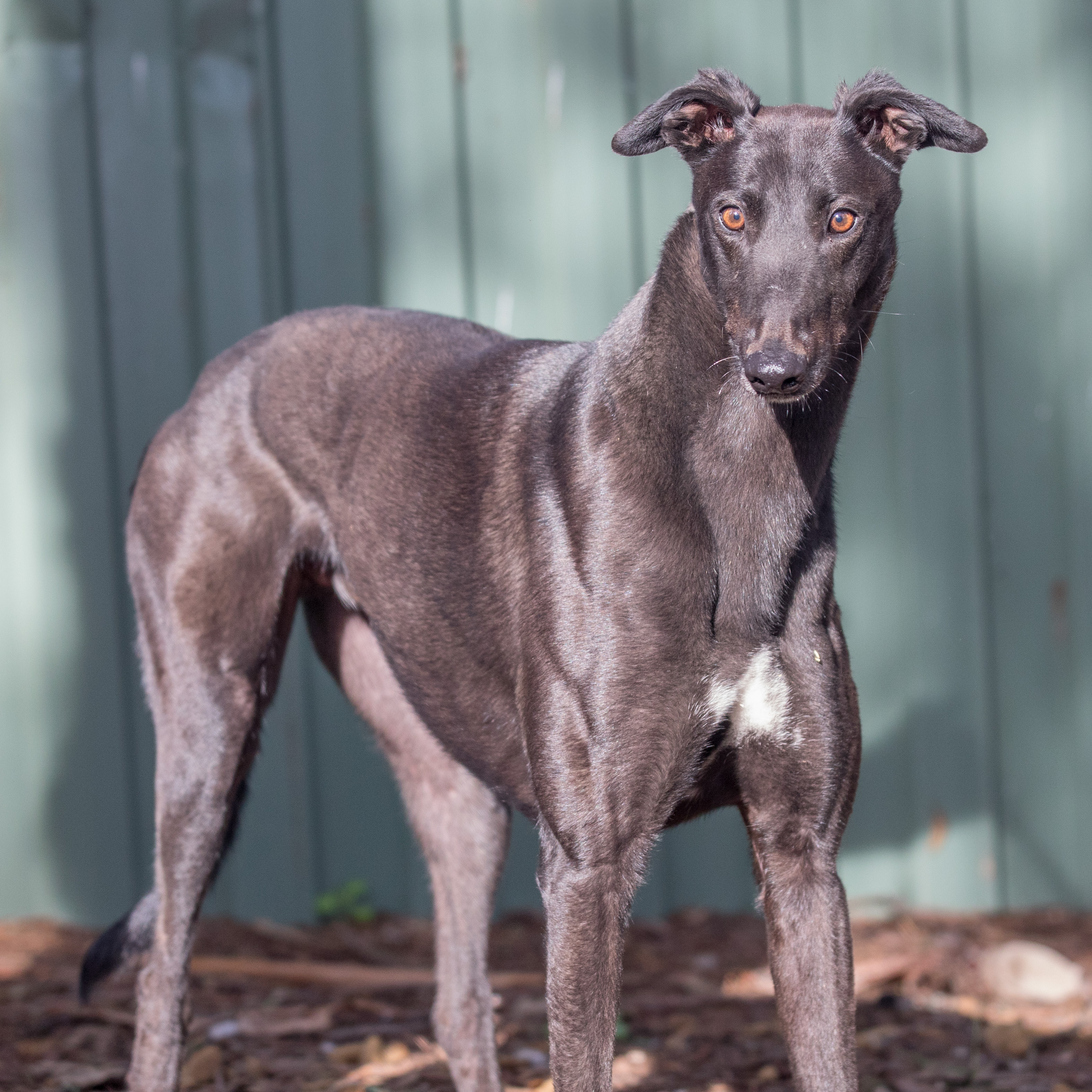
Amigo


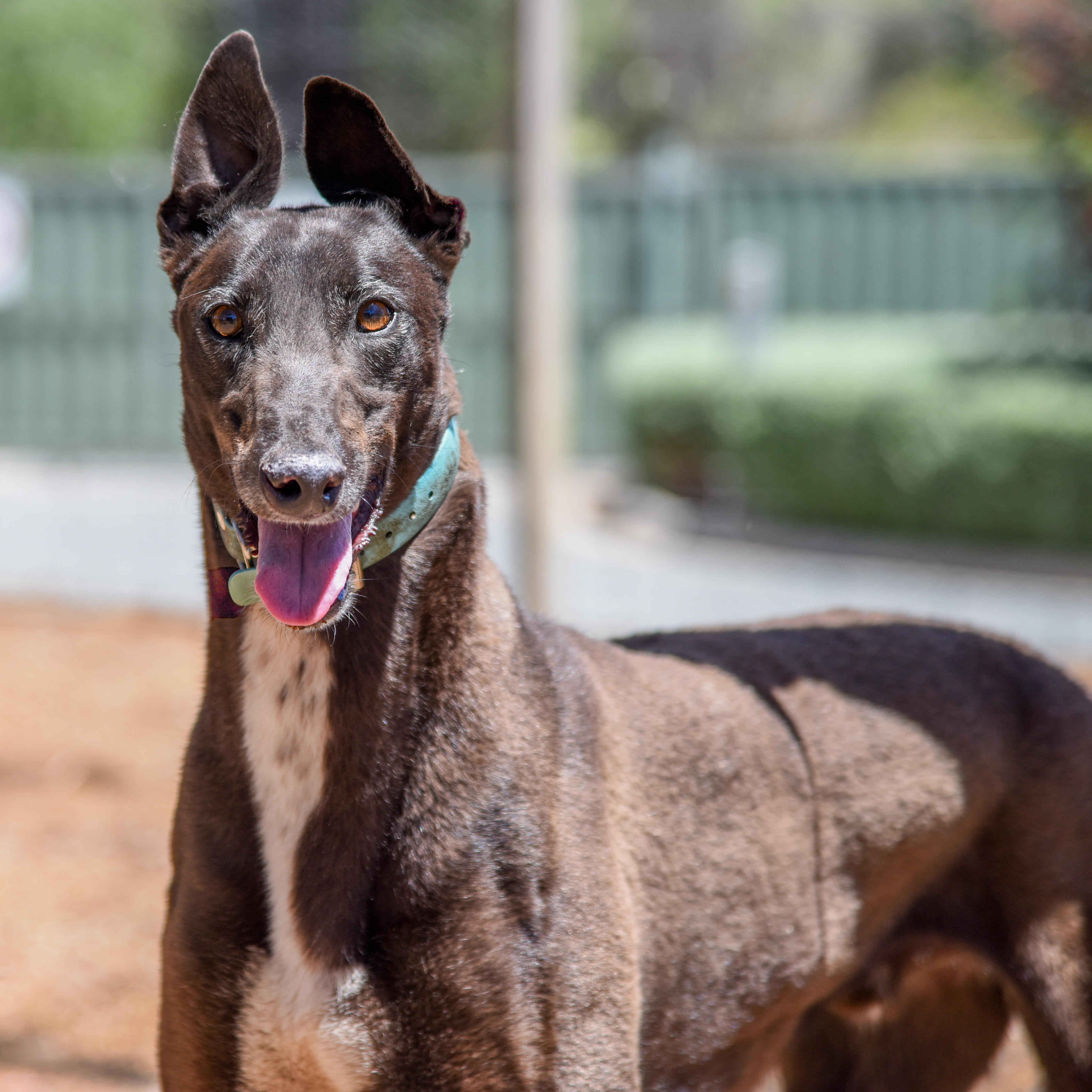
Barry ARP
Meet Barry, this handsome boy is friendly and outgoing with lots of energy. He is enthusiastic about life with his helicopter tail. Barry may suit a household with medium or large dogs and may suit living with kids 10+. Because of his boisterous energy he will require a backyard.
This dog is part of our Assisted Rehoming Program (ARP). ARP dogs are kept with their racing owners until they find an adoptive home, at which point they are brought back into GAP. This means that should you be interested in adopting this dog, we are bringing the dog into GAP on the understanding that you will be adopting them. As such, you will not be able to meet any other dogs, as you otherwise would be able to.
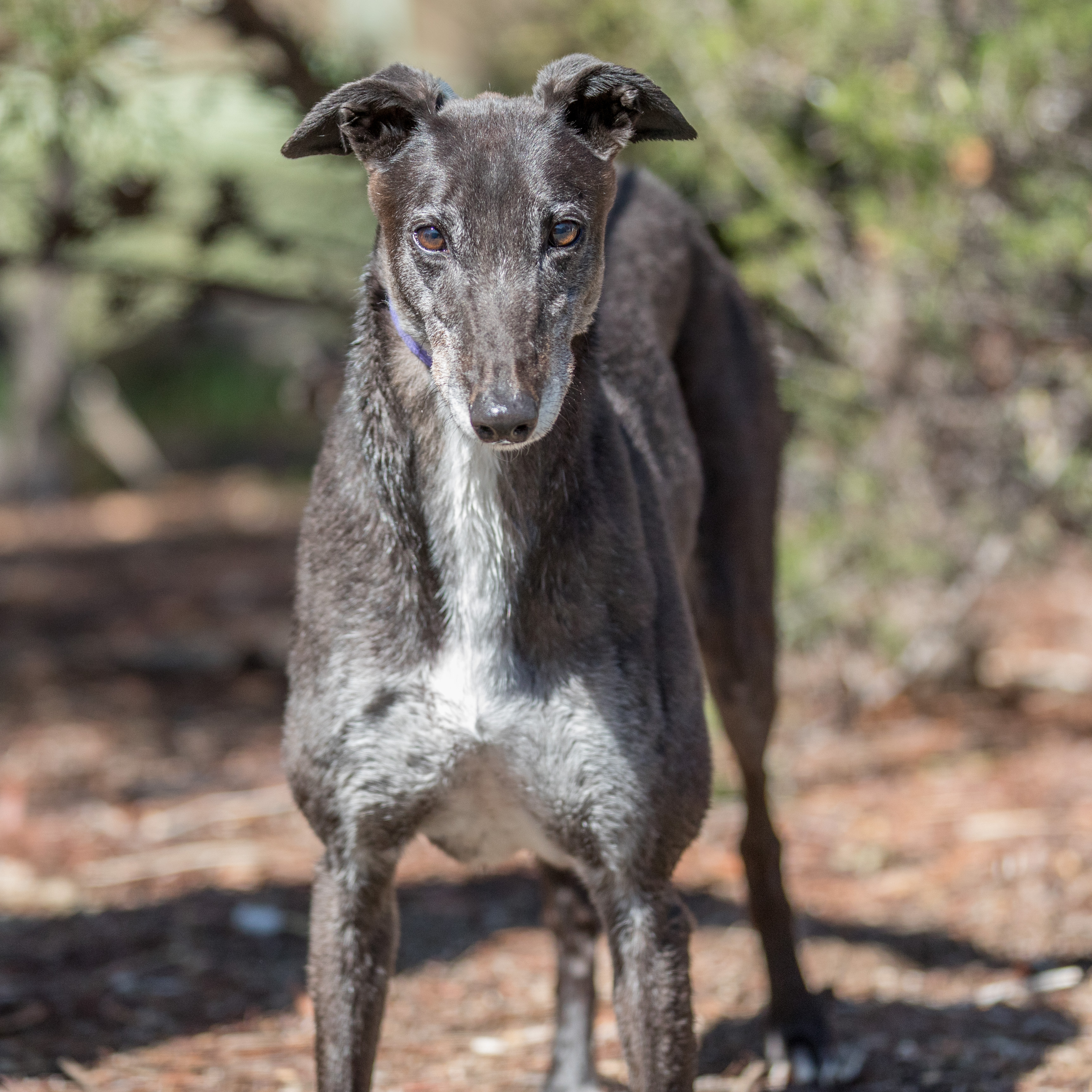
Charlotte
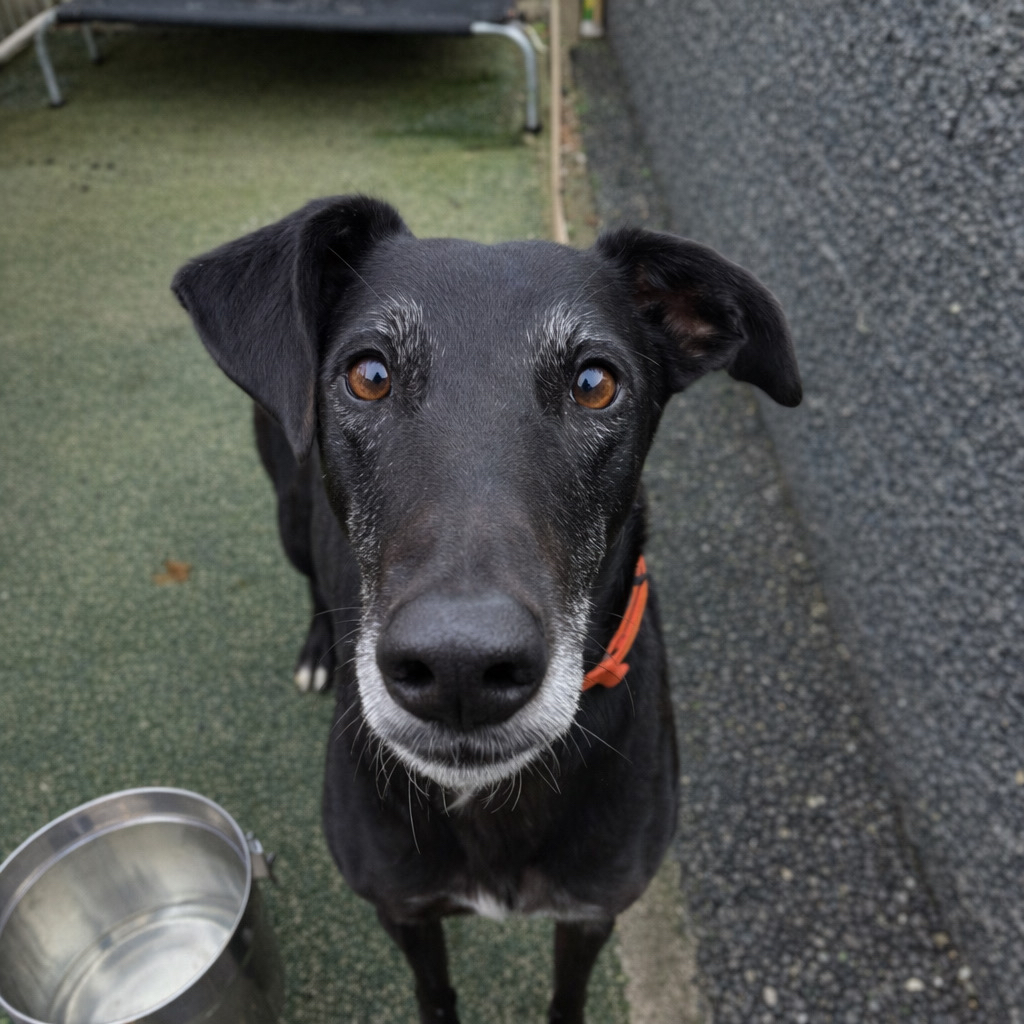
Paris
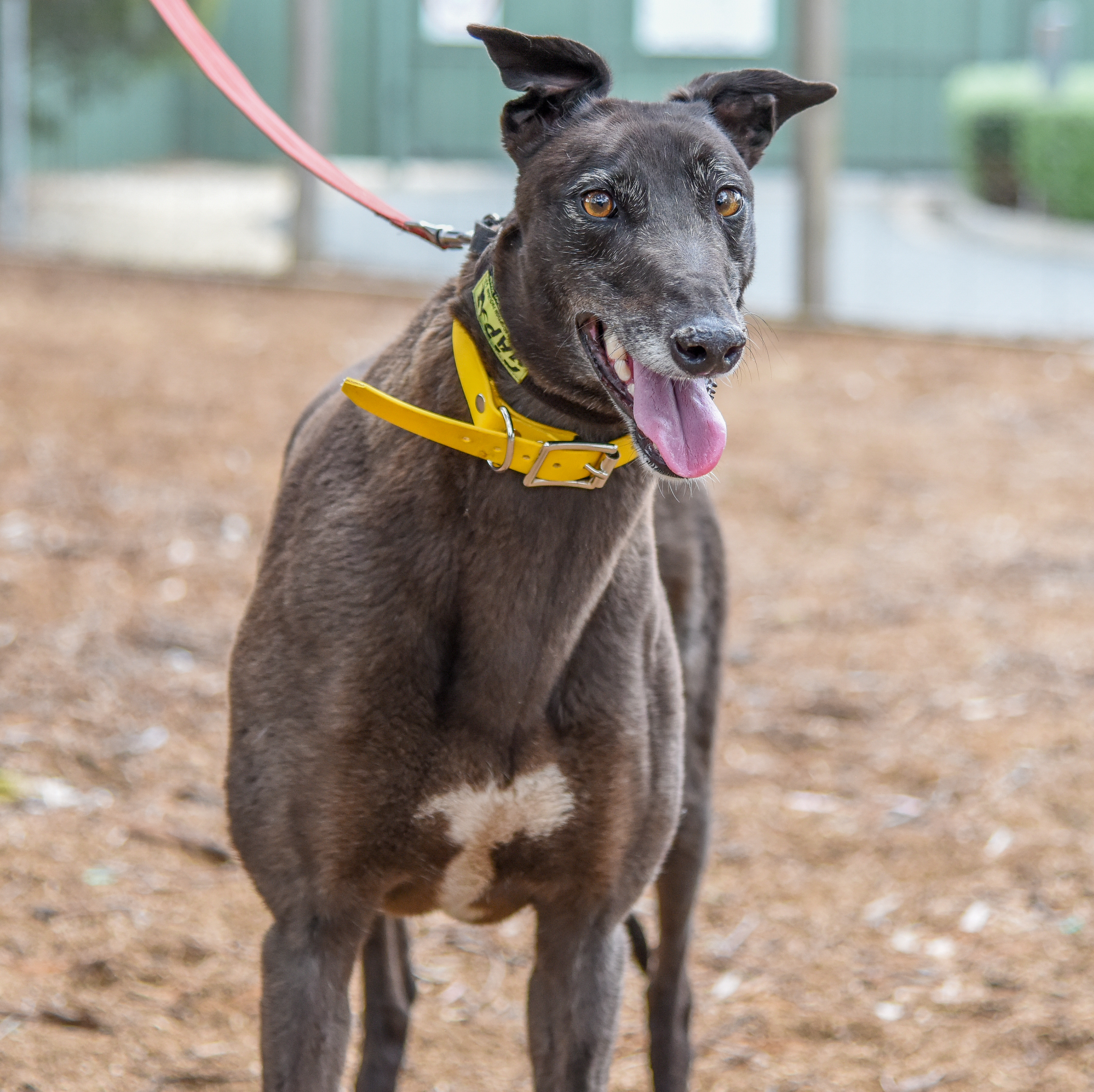
Ruby ARP
Ruby, Ruby, Ruby, Ruby! Do ya, do ya, do ya, do ya! Know what you're doing doing to me! You and me, could it be, could it be? Ruby iso nly 3 years old but she is premature greying, but it happens to the best of us! Ruby is a quiet, gentle girl who is personable, but not overly needy for affection. She may suit living with or without a canine brother of any size,children aged 5 years and older and she may even suit apartment living.
This dog is part of our Assisted Rehoming Program (ARP). ARP dogs are kept with their racing owners until they find an adoptive home, at which point they are brought back into GAP. This means that should you be interested in adopting this dog, we are bringing the dog into GAP on the understanding that you will be adopting them. As such, you will not be able to meet any other dogs, as you otherwise would be able to.
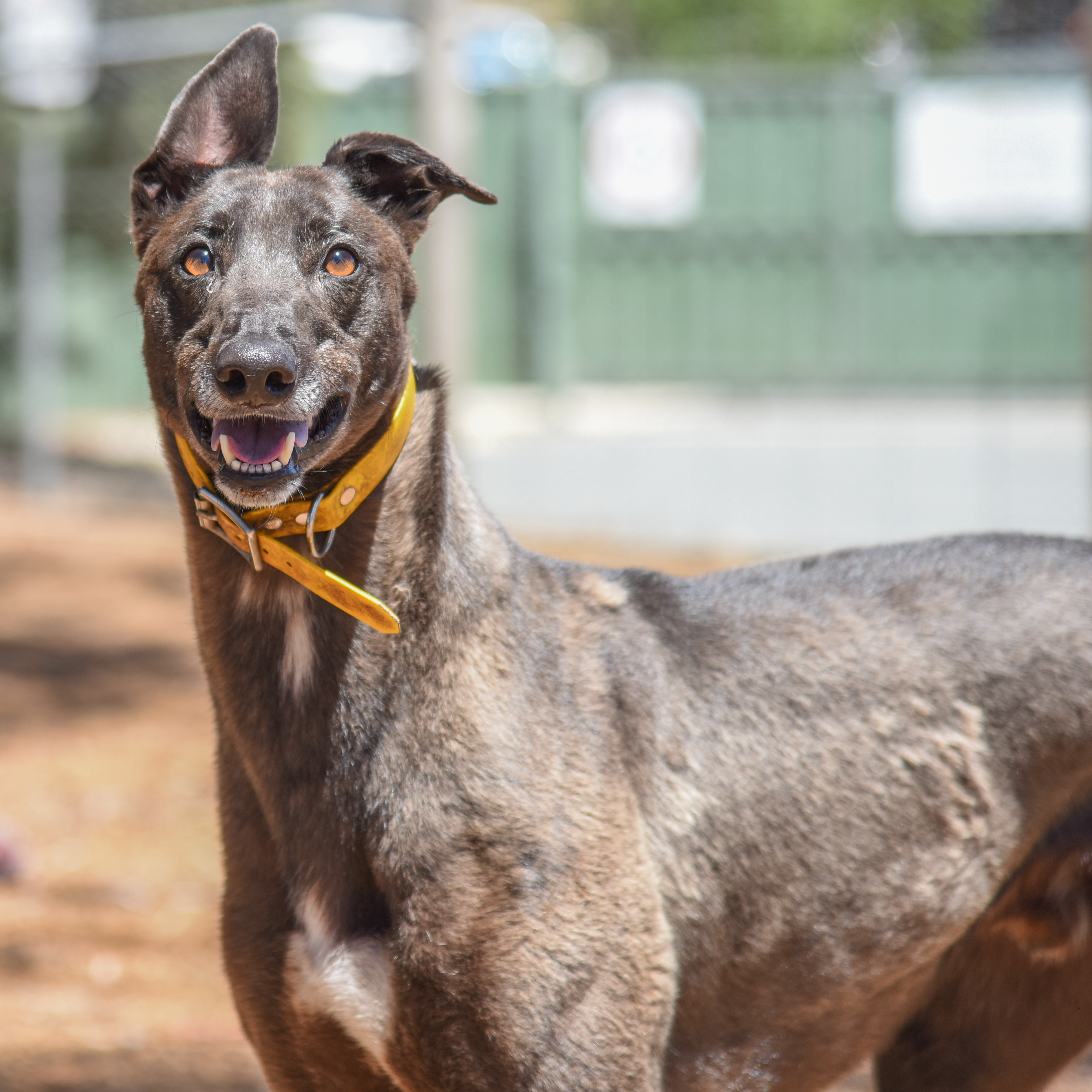
Ric ARP
Ric is full of royal freshness and just a little bit “up to no good” in the best way. This very handsome boy is cheeky, friendly, outgoing and confident, with a big personality to match. Ric is a big character and may be a little too much for some dogs, so alike-minded, confident canine friend would suit him best. He may suit a home with medium or large dogs and dog-savvy kids aged 10+. If you’re ready for charm, confidence, and Fresh Prince energy — Ric’s your guy!
This dog is part of our Assisted Rehoming Program (ARP). ARP dogs are kept with their racing owners until they find an adoptive home, at which point they are brought back into GAP. This means that should you be interested in adopting this dog, we are bringing the dog into GAP on the understanding that you will be adopting them. As such, you will not be able to meet any other dogs, as you otherwise would be able to.
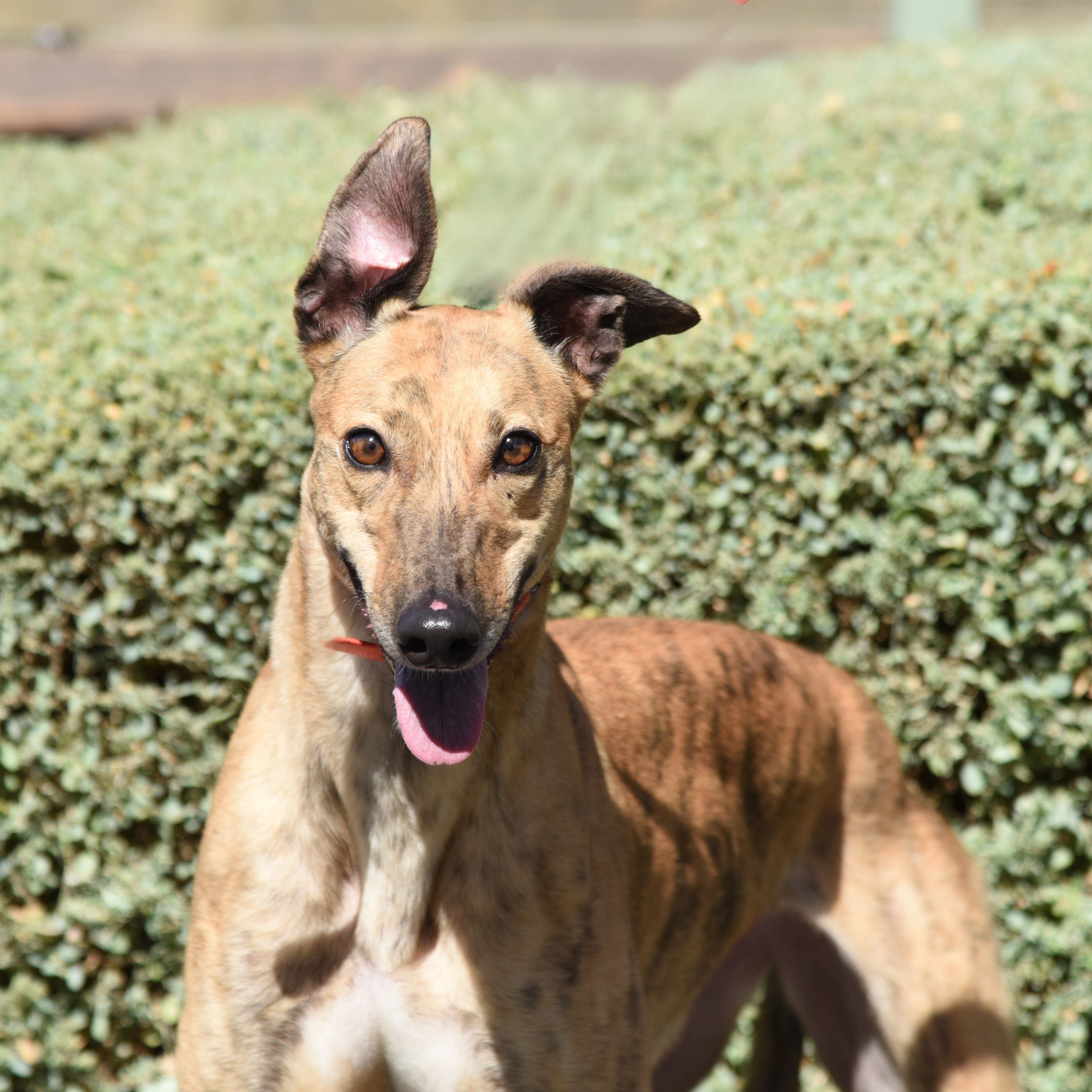
Brae
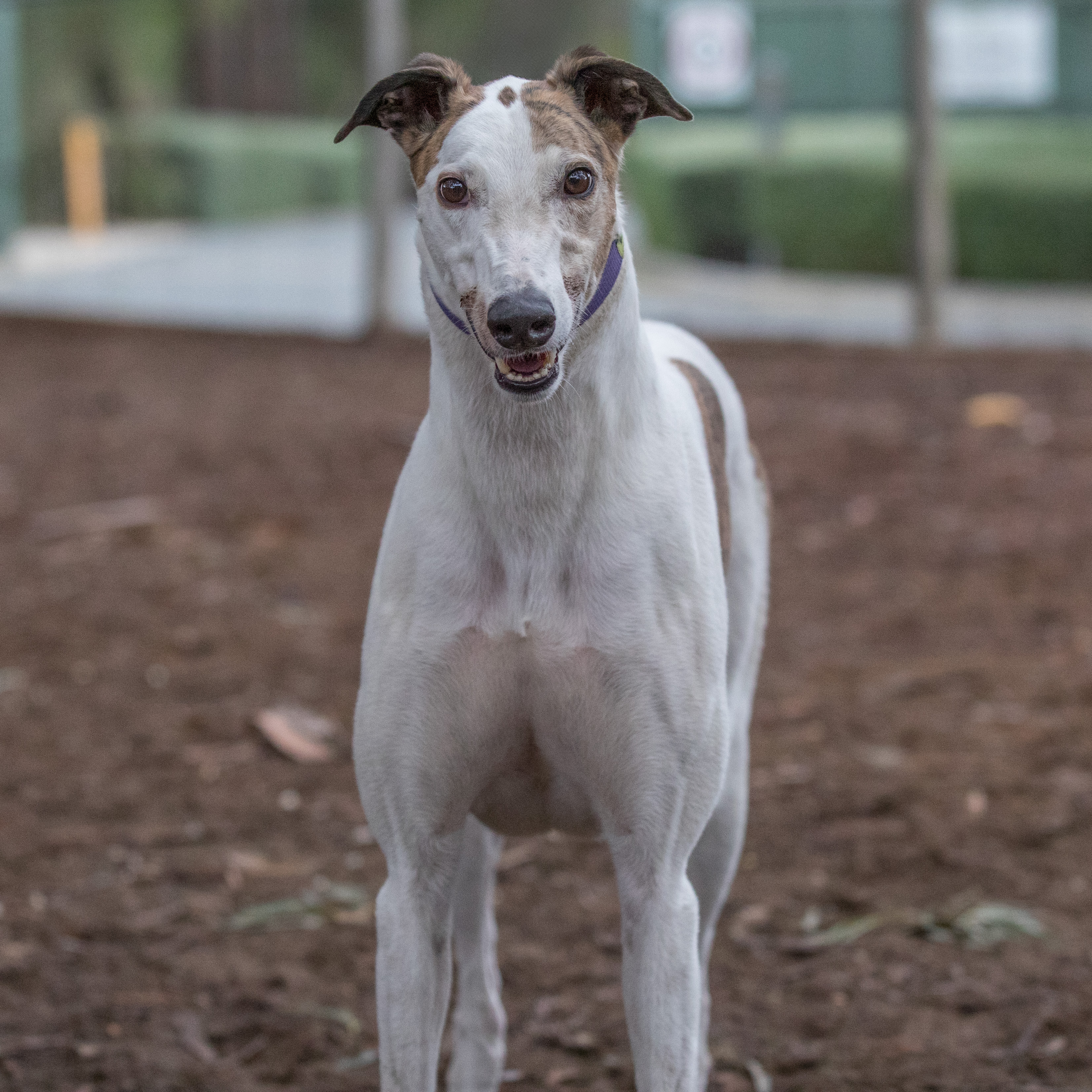
Milky Bar
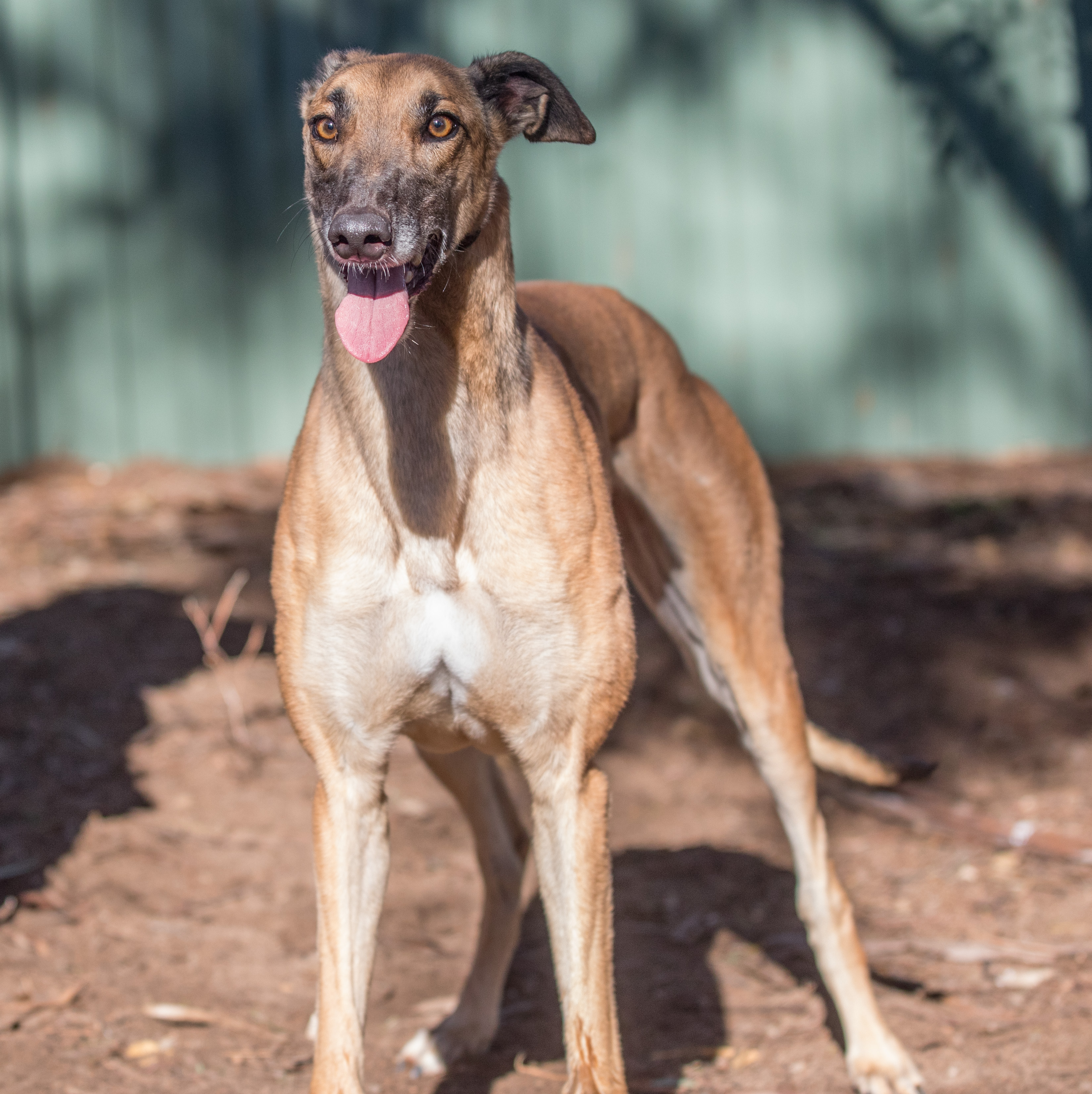
Spense ARP
Spence is a pretty female greyhound with a sweet, affectionate nature and a playful, puppyish energy that shines through in everything she does. She’s full of life,excitable in the best way, and loves to have fun, whether it’s zooming aroundthe yard, playing games, or soaking up attention from her favourite people.Spence forms strong bonds and enjoys being part of an active household where she can express her joyful personality.
Spence is best suited to a home with children aged 10 and over or adults who can match her lively spirit and provide appropriate guidance. She would do well as the only dog or with a robust medium to large canine companion, but she isn’t suited to living with cats or frail, older dogs or people due to her enthusiasm. Spence will thrive in a home with a backyard where she can burn off energy and play. With the right environment, she’ll grow into a wonderfully loving and entertaining companion. Spence is part of our Assisted Rehoming Program (ARP). We have behavioural and health assessed this lovely dog, and they will remain with their racing owners until they find an adoptive home, atwhich point they are brought back into GAP. This means that should you be interested in adopting this dog, we are bringing the dog into GAP on the understanding that you will be adopting this particular dog, and no other dogs currently in our care.
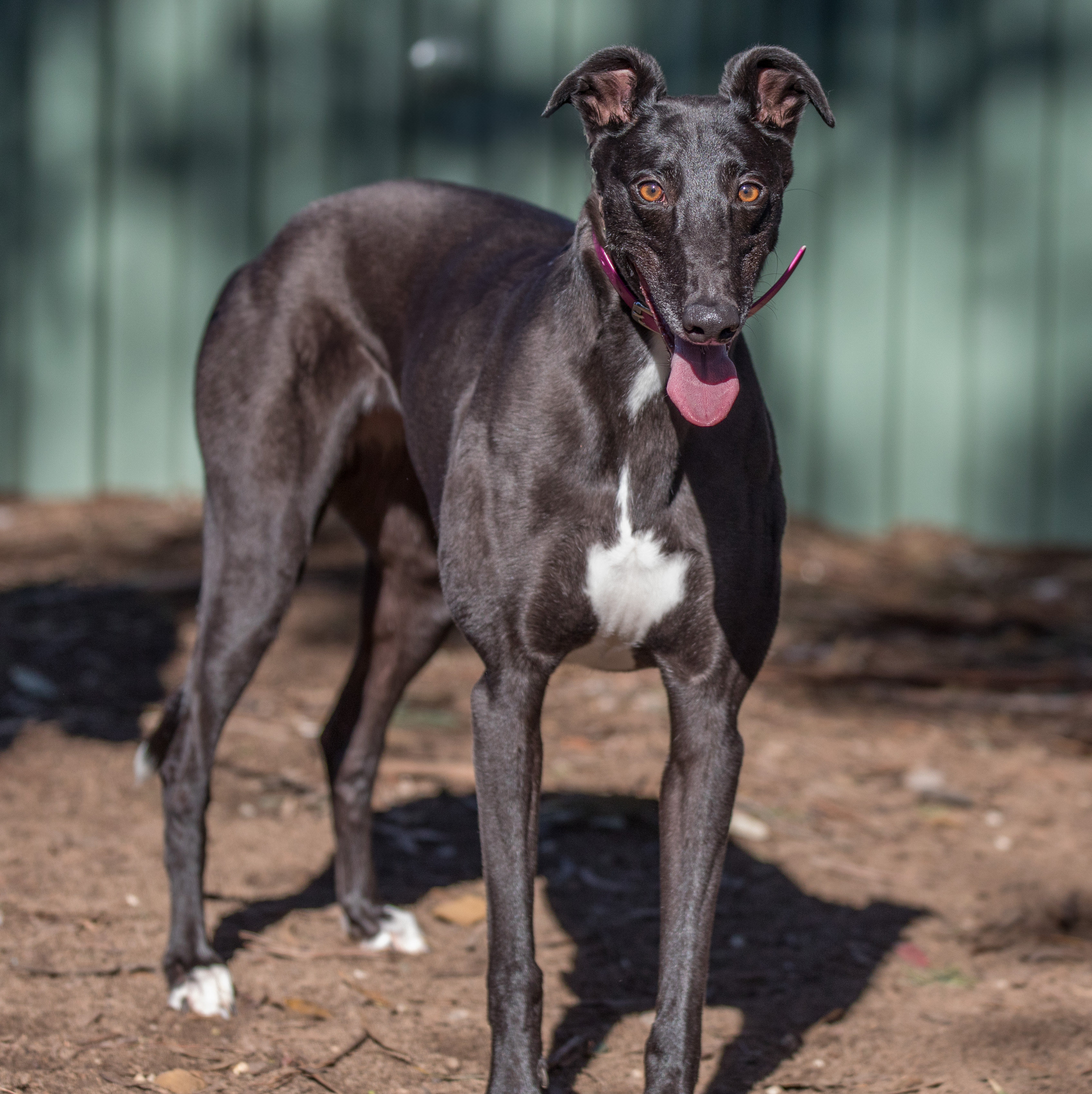
Delta ARP
Darling Delta is ready take flight onto finding her new home! She is sweet, puppyish and personable but she can be a little shy at first so a home thats able to let her settle in at her pace will be the best home for her. We think she may suit living with or without another male companion of any size and children 10 years and over.
This dog is part of our Assisted Rehoming Program (ARP). ARP dogs are kept with their racing owners until they find an adoptive home, at which point they are brought back into GAP. This means that should you be interested in adopting this dog, we are bringing the dog into GAP on the understanding that you will be adopting them. As such, you will not be able to meet any other dogs, as you otherwise would be able to.