
Barking & Other ‘Dog Noise’ Problems
Ask any local government officer or council ranger what is the most common complaint they receive in relation to dogs and most will say without hesitation that it is complaints about barking dogs.
Barking is a normal behaviour for dogs
The canid family contains a number of species, all with one thing in common – they are social animals. They live in family groups where they are seldom alone by choice. Barking and other forms of vocalisation, such as howling, serve as a form of communication between individuals and to alert the group of possible approaching threats. Many dogs also vocalise when they are frustrated, excited or anxious.
The way we own and manage pet dogs has changed dramatically over the years. In the past dogs were allowed to wander and roam the streets, playing with the local children and meeting up with other dogs. Mothers stayed at home, so the dog was rarely left alone or the dog accompanied its owner on their daily activities.
These days there are laws and regulations that require people to contain their dogs so, unless deliberately exercised, the back yard is where they remain. These days it is not uncommon for both of the adults in the family to work (often long hours) leaving the dog alone at home for much of the day. Being less able to participate in neighbourhood activities builds frustration in the under-exercised, under-stimulated dog, and he barks!
Some dogs were bred to bark
Over the years, mankind saw the value of having a dog to protect their belongings. Breeds were developed based on individuals who were very good at alerting us to approaching danger. Our modern day dogs bark far more than their wild relatives as we made them that way! No-one minds if their dog barks and frightens off a potential home invader, but we do mind if he barks at the meter reader! Somehow we expect the dog to know the difference.
Greyhounds are not typically a noisy breed, but can learn quickly that making noise has its benefits in regards to getting attention, or getting let into the house. They may also have learned to bark at feeding time when living in kennels.
Dogs can bark for other reasons too
The dog’s hearing is very acute (estimated to be about 4 times better than ours). They can hear other dogs bark, cats miaow, birds screech and sirens wail over quite a distance. As far as the dog is concerned all of these can be arousing stimuli and a dog’s response to arousal is often to bark.
Dogs may also bark due to anxiety – especially when they are left alone without adequate training to help them to cope. Many dogs are very fearful of storms and other loud noises and may bark or howl in their attempts to escape the feared noises; other dogs are overly attached to their owners and become very anxious when they are left alone.
Many people inadvertently teach their dog to bark for attention. The dog barks when it hears a noise it considers noteworthy and the owner rushes outside to yell at the dog (or merely yells at the dog through the window). The dog learns that he can get his owners attention if he just barks. Any smart dog, especially those who are confined in a back yard with little to do, will learn rapidly that this is one great way to get noticed!
My dog seems to be barking a lot, what can I do to reduce the barking?
First of all you need to determine the cause of the barking. Obviously the strategies to deal with barking are very different depending on the cause of the barking.
Often the easiest way to do this is to keep a barking ‘diary’. This way you can ask all family members, as well as your neighbours to note down the times of the day the dog barks. By looking at when and where the dog barks it may be possible to start to understand what triggers the barking. Another option, especially if the dog only seems to bark when you are not home, is to use video surveillance to observe what the dog is doing when you are not there.
Does the dog bark at times where there is increased pedestrian traffic outside on the street? If the barking peaks at 3-4pm it might be the dog is barking at children coming home from school. One answer to this is to bring the dog inside the house at this time and keep it busy by offering it a chew toy; another option might be to take the dog to the park or for a walk.
Does the dog bark most when you have just left for work? This may indicate a dog who has separation issues and who becomes highly anxious when his owner leaves. Sometimes making departures less of an ‘event’ by giving the dog something to keep him busy as you sneak out quietly may help. For some dogs this may not be enough as they have a severe anxiety problem when left alone. These dogs require professional help from a veterinary behaviourist to truly address their problem.
Is the dog barking at something? Is it people passing, possums at dusk, cats on the fence, or is it the neighbour’s dog? Sometimes the triggers for barking can be avoided by blocking the dog’s visual contact. This may mean confining the dog to only a part of the yard, building a screen, or bringing the dog in at times when animals such as possums and cats are most active.
Is the dog barking to get attention? Some dogs learn that barking is a great way to get doors opened or to get attention from their owners. Make sure you are not inadvertently rewarding barking behaviours and contributing to the problem. Remember: even yelling at the dog to be quiet constitutes attention!
Only once you understand why the dog barks can you start working to reduce the noise. Options include changing the way the dog is managed, changing the places it has access to, coving over fences or gates to reduce the visual stimuli or allowing the dog a better view of the world. Sometimes the answer is to bring the dog inside the house when it is most likely to bark, or leave it inside when you are not home.
How can I keep the dog ‘busy’ when he is in the yard?
All dogs need physical as well as mental exercise. Before you leave in the morning, make sure your dog is nice and tired. Getting up a little early and taking him for a walk is one way to burn off steam but you could also play an active game in the yard before you leave.
As your dog is going to be alone for much of the day it is up to you to provide him with suitable activities to keep him busy during the day. Many enrichment activities involve having the dog use his hunting skills to find and obtain food. This food may be hidden, scattered, or stuffed into puzzle-type toys that need to be manipulated for the food to come out. Chew items, toys and other things the dog enjoys may also help. You may even consider having someone else take him for a walk, or come to play with a toy during the day.
These type of activities need to be offered every day, and toys need to be rotated to maintain their interest. There are a lot of enrichment ideas in books and on the internet, but always consider your dog’s safety first, and regularly check any items you leave in the yard for damage.
For some dogs, simply having access to part of the house during the day can help. This is because having a safe and comfortable place to sleep can mean the dog is not in the yard noticing the activity going on. Greyhounds in particular like their comfort, and if they do not have somewhere that is soft and warm, they will be unsettled and more likely to make noise. You do not have to have them running ‘free-range’ through the house, but allowing access to a dog-safe area can certainly help in some cases.
Can I teach my dog to ‘Shush’ on command?
It is possible to teach the dog to ‘Shush’ when asked. This is good for situations where you might like your dog to bark a few times, but then be quiet – such as when a stranger comes to the door. To teach your dog to be quiet on cue, you will also need to teach your dog to bark on cue. Sounds odd, but it is true!
Dogs do not understand our language, so just yelling “quiet!” may halt the barking as the dog looks at you in surprise, but true learning does not take place. It can also be difficult or impractical to teach a dog to be “quiet” on command if the barking cannot be predicted or ‘turned on’ or if it is too intense.
Start by teaching the dog to bark – use a stimulus that will cause the dog to bark (often a knock at the door or ringing of the door bell). As the dog barks, pair it with a cue such as ‘Speak’. Once the dog is barking, you can then work on the other half of the equation – the ‘Shush’. As your dog is barking ask it to ‘shush’ or ‘quiet’, then put a super smelly treat right in front of the dog’s nose. Most dogs will stop barking to sniff the treat – dogs cannot inhale and bark at the same time. When the dog is quiet, you can praise him and give him the treat. You will need to repeat this over and over, but soon the dog will begin to understand what you actually mean when you ask for quiet, and you can increase the length of time the dog must remain quiet to earn the treat.
My dog is well exercised, has plenty to do, but he still barks
If you feel you are doing everything to try to stop the barking and the barking is still occurring, it may indicate a more serious underlying problem. Your first step should be to take your dog to your local veterinarian for a thorough medical examination. There are some medical problems which may contribute to barking.
If the dog gets the ‘all-clear’ medically, it is worth asking for a referral to a veterinary behaviourist who can spend time working out the cause of the barking, and who can fully address any underlying anxiety issues that may be contributing to the problem.
Barking dogs can be very frustrating, especially where you have done all you can to try to prevent the problem. Your neighbours will want to see that you are trying to address the issue or you may find them complaining to the local council.
What about punishment or aversives?
It is very easy to yell or reach for aversive equipment but this is the same as using a cough lolly for pneumonia – the symptom is a cough but the cause is quite different to an itchy throat!
Punishment is seldom effective in the control and correction of barking problems. Excessive levels of punishment can increase anxiety and further aggravate many forms of barking, while mild punishment merely rewards the behaviour by providing attention.


_51505627.jpg)


.jpg)

.png)

Meet our dogs ready for adoption
All greyhounds adopted from GAP are de-sexed, vaccinated, microchipped, wormed and health checked.

Name
0 Years Old
Lorem ipsum dolor sit amet, consectetur adipiscing elit, sed do eiusmod tempor incididunt ut labore et dolore magna aliqua. Ut enim ad minim veniam, quis nostrud exercitation ullamco laboris nisi ut aliquip ex ea commodo consequat. Duis aute irure dolor in reprehenderit in voluptate velit esse cillum dolore eu fugiat nulla.
Name
0 Years Old
Lorem ipsum dolor sit amet, consectetur adipiscing elit, sed do eiusmod tempor incididunt ut labore et dolore magna aliqua. Ut enim ad minim veniam, quis nostrud exercitation ullamco laboris nisi ut aliquip ex ea commodo consequat. Duis aute irure dolor in reprehenderit in voluptate velit esse cillum dolore eu fugiat nulla.
Name
0 Years Old
Lorem ipsum dolor sit amet, consectetur adipiscing elit, sed do eiusmod tempor incididunt ut labore et dolore magna aliqua. Ut enim ad minim veniam, quis nostrud exercitation ullamco laboris nisi ut aliquip ex ea commodo consequat. Duis aute irure dolor in reprehenderit in voluptate velit esse cillum dolore eu fugiat nulla.
Name
0 Years Old
Lorem ipsum dolor sit amet, consectetur adipiscing elit, sed do eiusmod tempor incididunt ut labore et dolore magna aliqua. Ut enim ad minim veniam, quis nostrud exercitation ullamco laboris nisi ut aliquip ex ea commodo consequat. Duis aute irure dolor in reprehenderit in voluptate velit esse cillum dolore eu fugiat nulla.
Name
0 Years Old
Lorem ipsum dolor sit amet, consectetur adipiscing elit, sed do eiusmod tempor incididunt ut labore et dolore magna aliqua. Ut enim ad minim veniam, quis nostrud exercitation ullamco laboris nisi ut aliquip ex ea commodo consequat. Duis aute irure dolor in reprehenderit in voluptate velit esse cillum dolore eu fugiat nulla.
Name
0 Years Old
Lorem ipsum dolor sit amet, consectetur adipiscing elit, sed do eiusmod tempor incididunt ut labore et dolore magna aliqua. Ut enim ad minim veniam, quis nostrud exercitation ullamco laboris nisi ut aliquip ex ea commodo consequat. Duis aute irure dolor in reprehenderit in voluptate velit esse cillum dolore eu fugiat nulla.
George

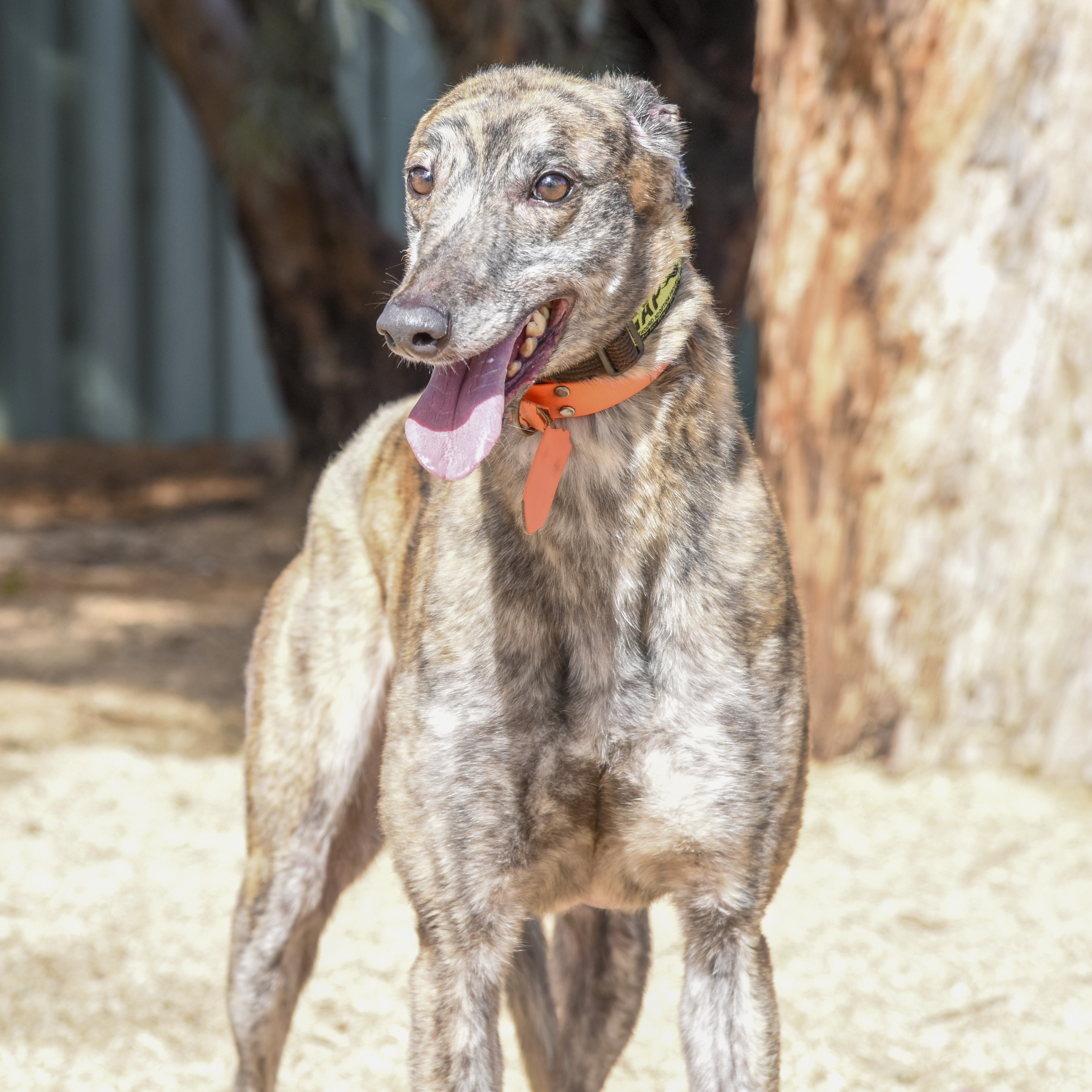
Pixie


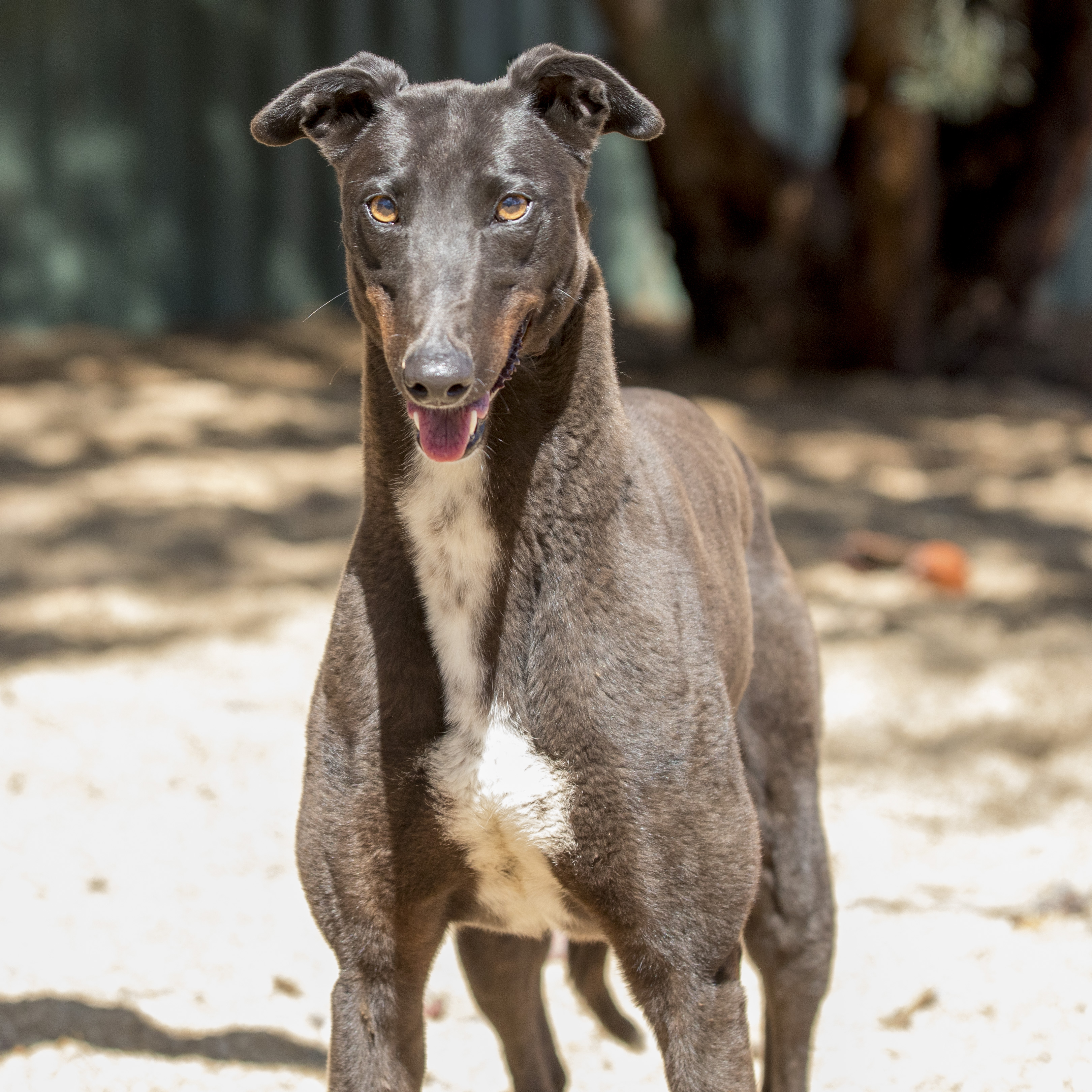
Duck

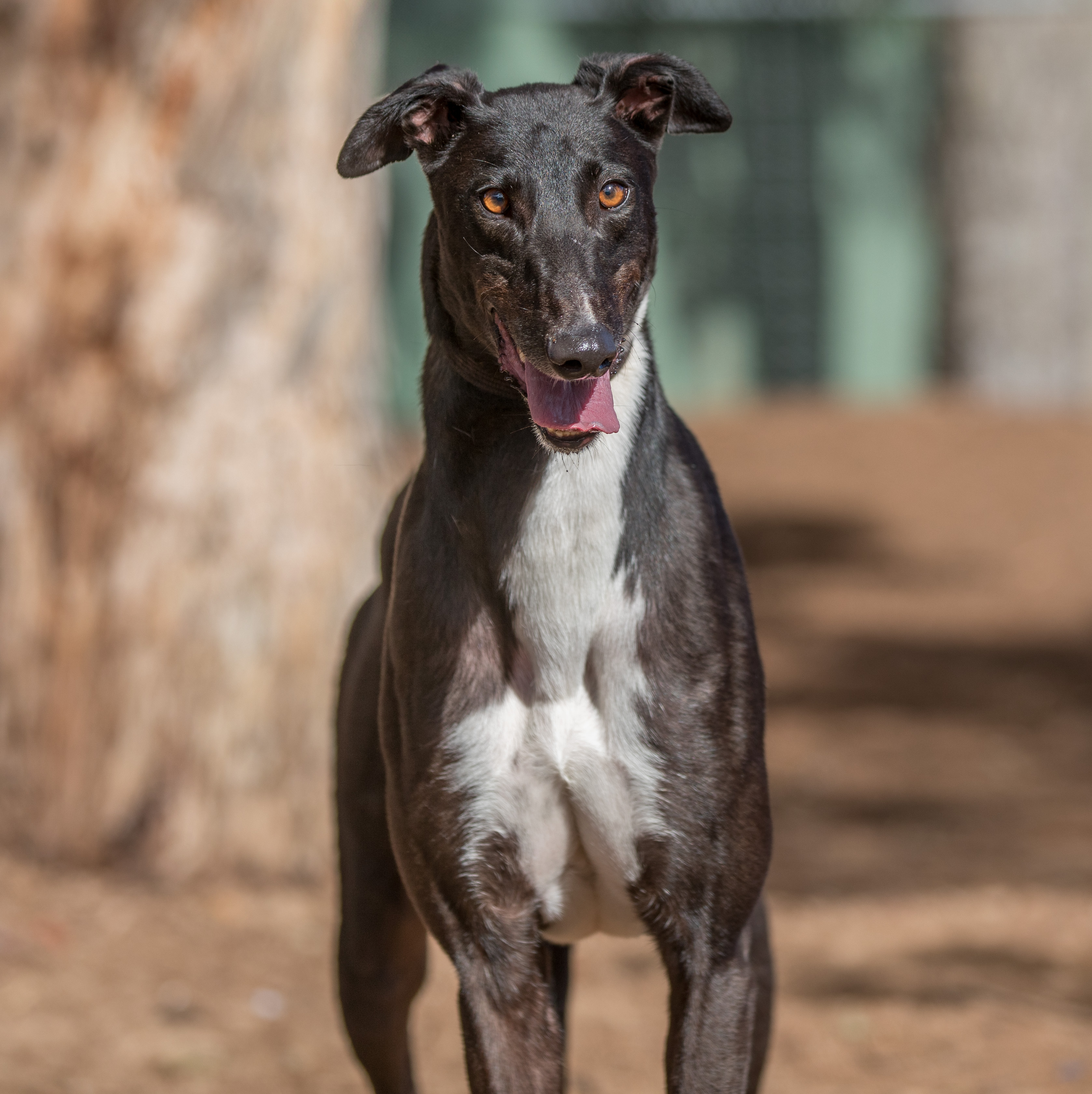
Hercules
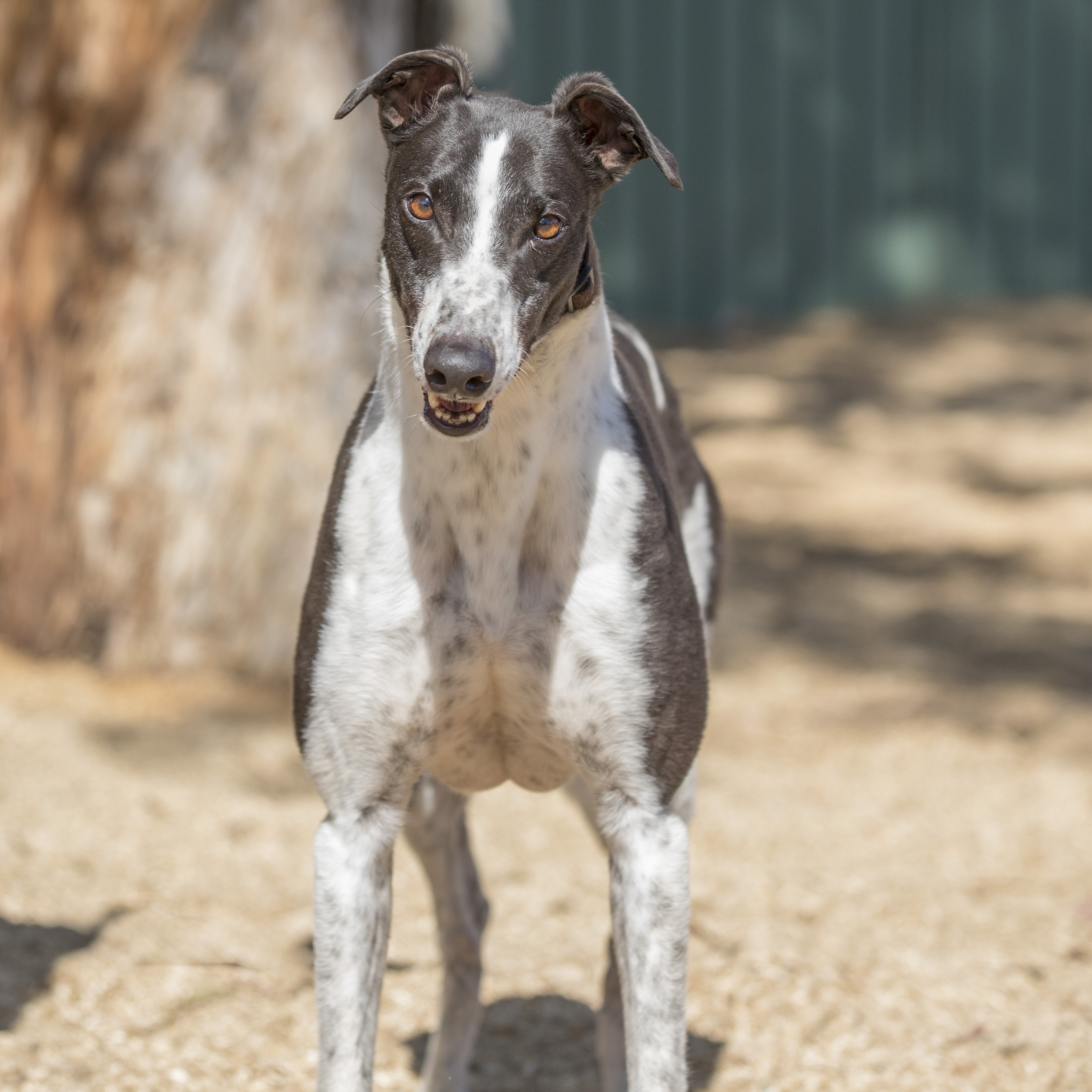
Cowboy
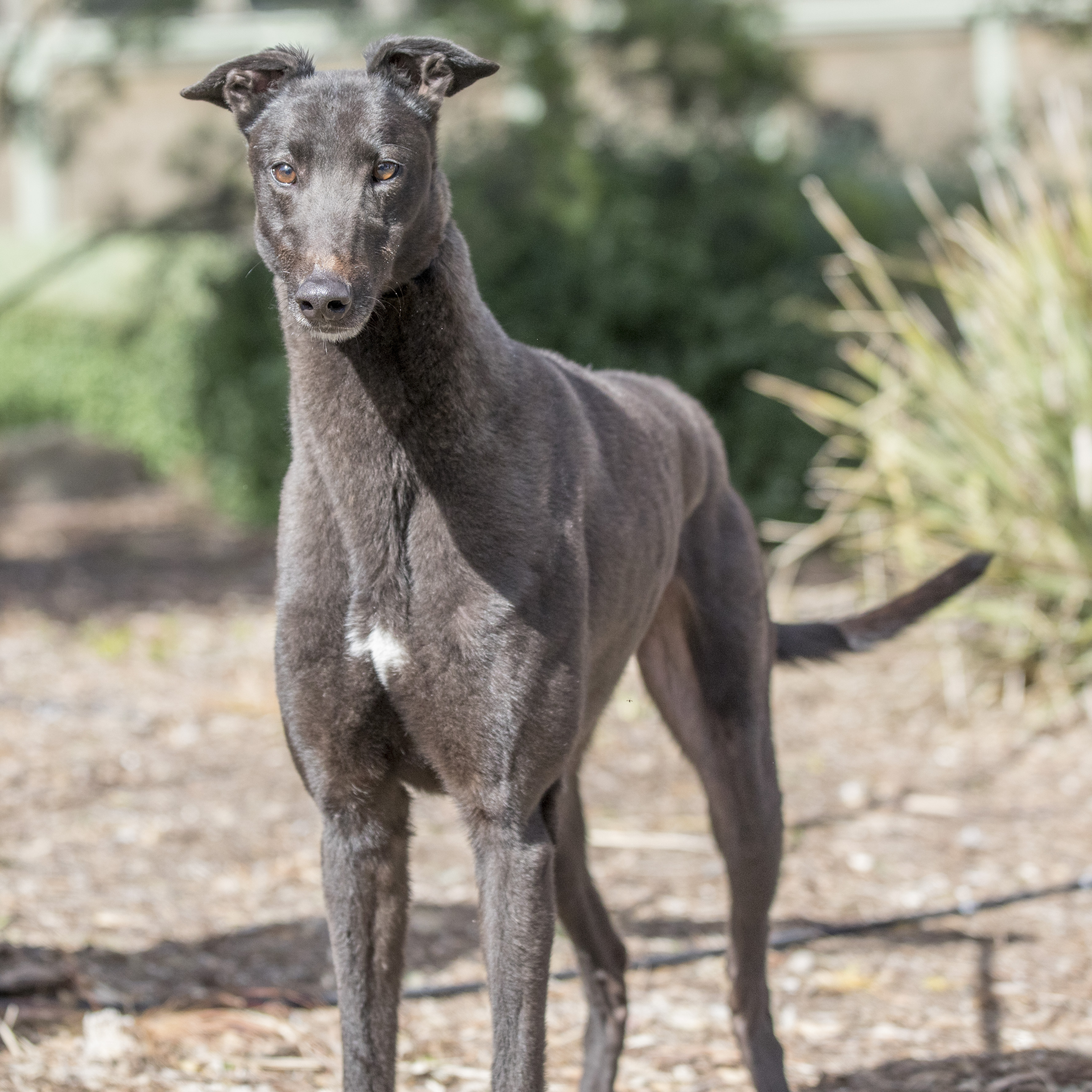
Crippa
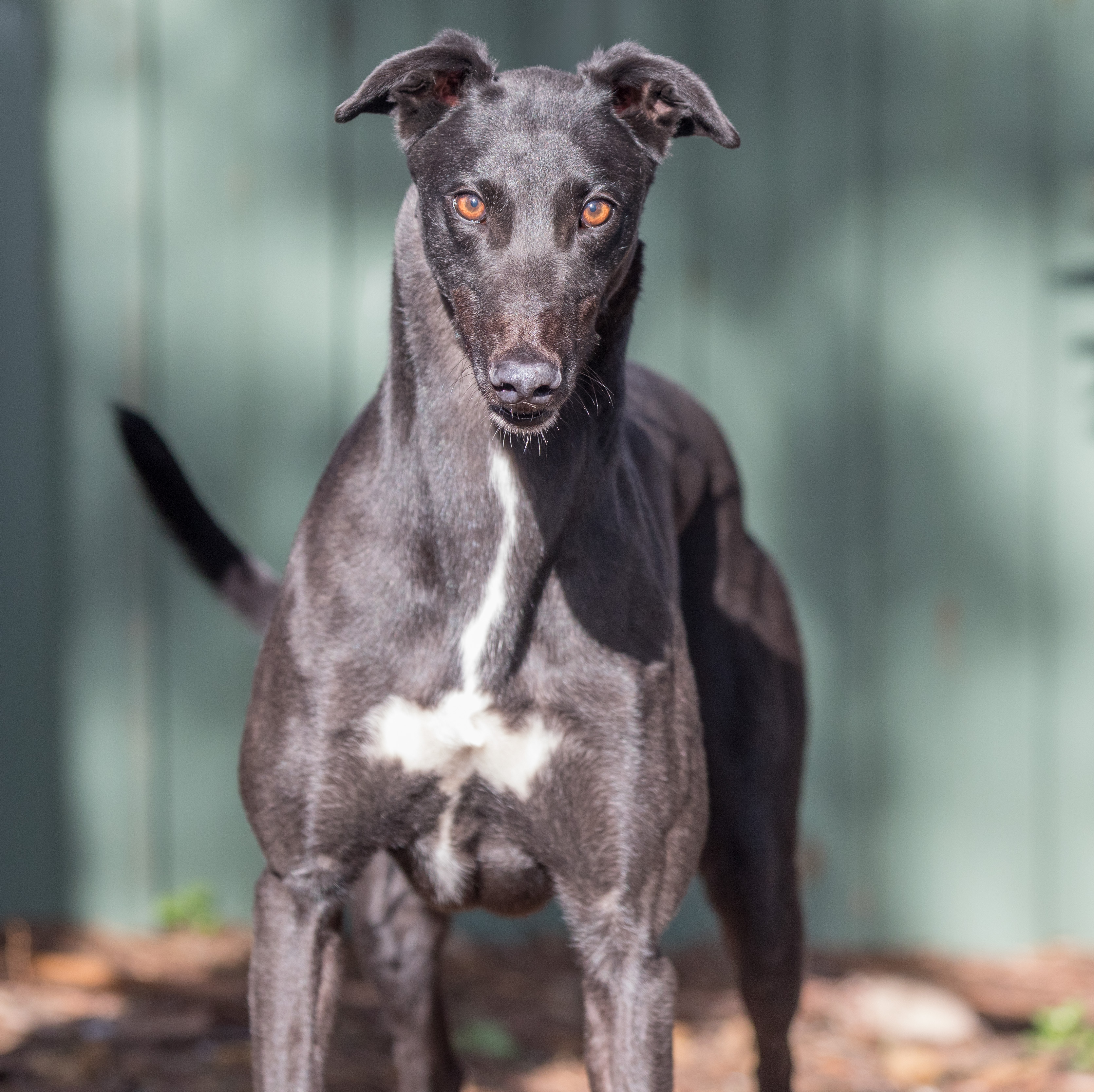
Brasi
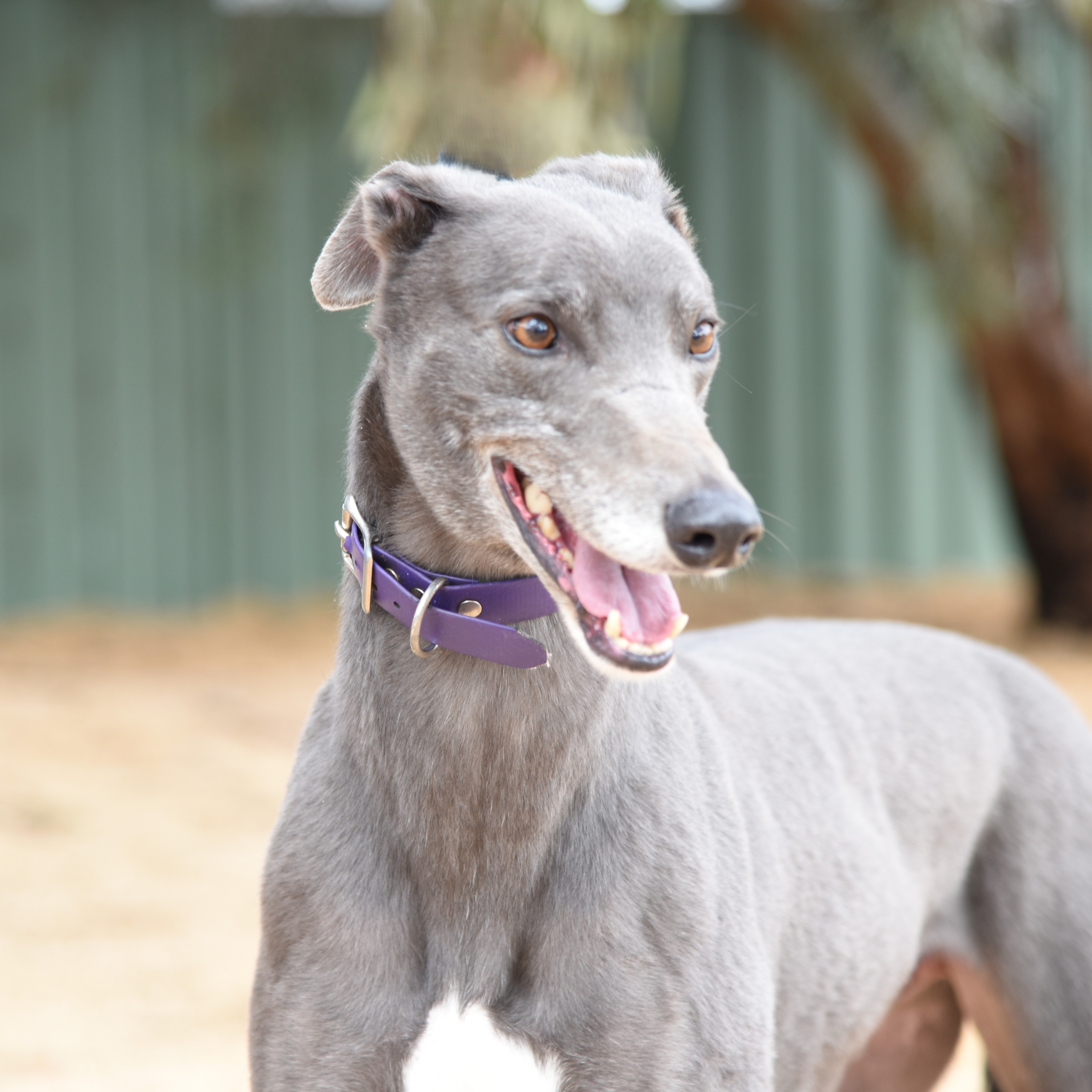
Atom ARP
Atom is a stunning blue boy who is the sweetest, friendly, and affectionate boy you'll ever meet! He has his bags packed and can't wait for his forever home. Atom may suit living in a home with or without another medium or large canine companion and children aged 10 years and over. He may even suit living with full time workers, and should fit into most households easily.
This greyhound is part of our Assisted Rehoming Program (ARP). Through this program, greyhounds stay with their current owners while they wait to find their perfect forever home.
If you're interested in adopting this dog, we'll arrange for them to come into GAP specifically for you to meet and complete the adoption process. Since the dog is being brought into the program based on your interest, we ask that applicants be reasonably confident this is the greyhound they'd like to welcome into their family. Unlike our standard adoption process, you won't be able to meet multiple dogs at the same time however our team will share lots of information about this greyhound to help you determine if they're the perfect match for your family.
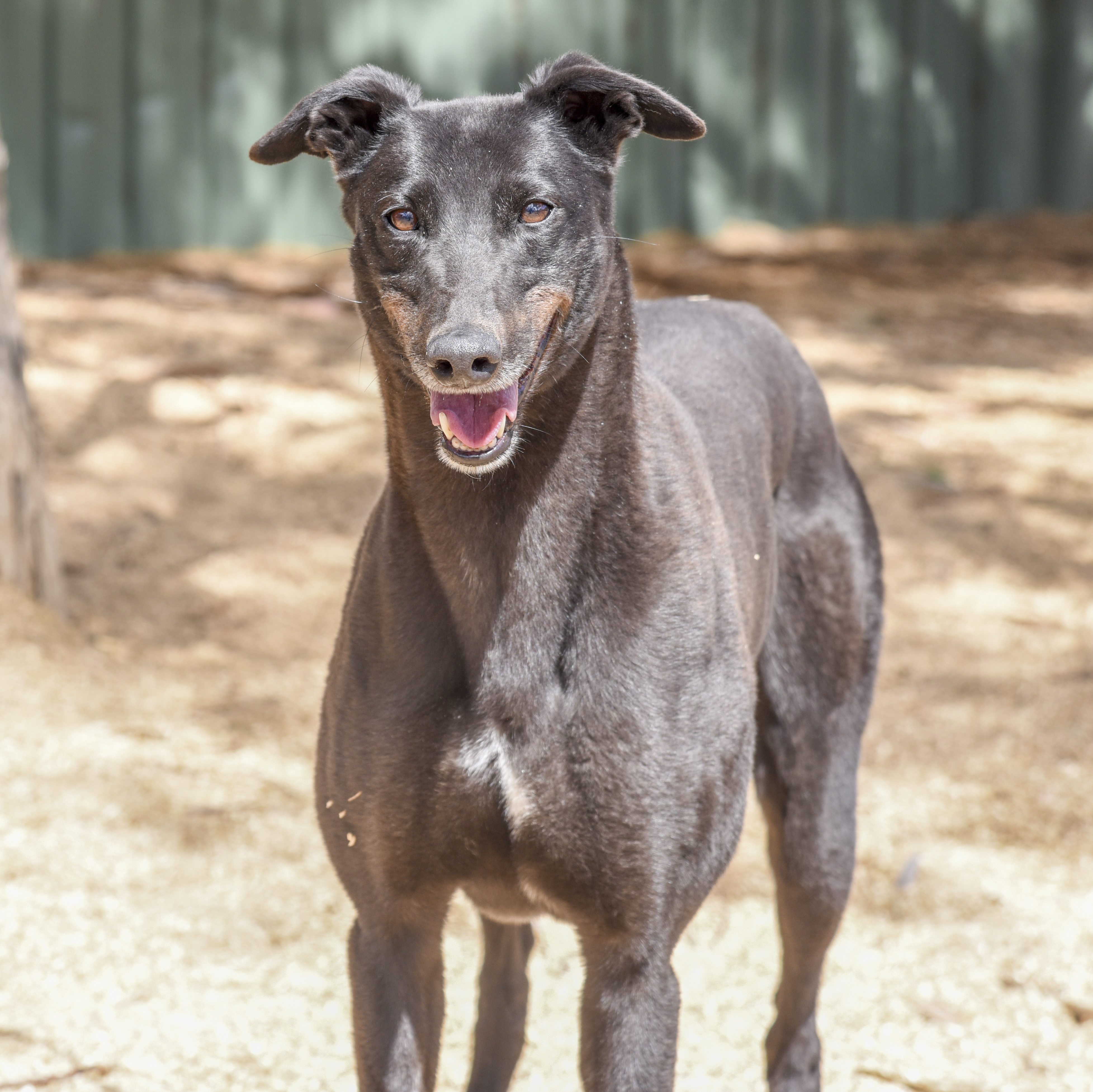
Yaku

Marlowe